Author: xpress xpress

  • Which Egg Comes From a Healthy Chicken? The Truth Behind Yolk Colors

    Which Egg Comes From a Healthy Chicken? The Truth Behind Yolk Colors

    That rich, orange yolk you proudly pay extra for might not mean what you think. For years, we’ve been taught to believe that a darker yolk automatically means a healthier, higher-quality egg. But the truth is more complicated.

    Yolk color is influenced mainly by what the hen eats. Foods naturally rich in carotenoids, such as grass, alfalfa, and marigold petals, can create a deeper orange color. However, certain feed additives can also produce a similar effect.

    So while a bright orange yolk may look impressive, color alone cannot tell you how nutritious or healthy an egg is. A pale-yellow yolk isn’t automatically inferior, and a deep-orange yolk isn’t automatically better.

    Eggs can provide important nutrients such as protein, vitamin B12, vitamin D, selenium, and choline regardless of whether the yolk is pale yellow or vibrant orange.

    What matters more is what you can’t necessarily see on your plate: the hen’s overall diet, farming conditions, hygiene, storage, and the freshness of the egg.

    So next time you’re standing in the grocery aisle comparing cartons, remember this: don’t let yolk color make the entire decision for you. It can tell you something about the hen’s diet, but it doesn’t tell the whole story.

    The most attractive yolk may simply be the one designed to catch your eye.
  • 63-Acre Ohio Retreat

    63-Acre Ohio Retreat

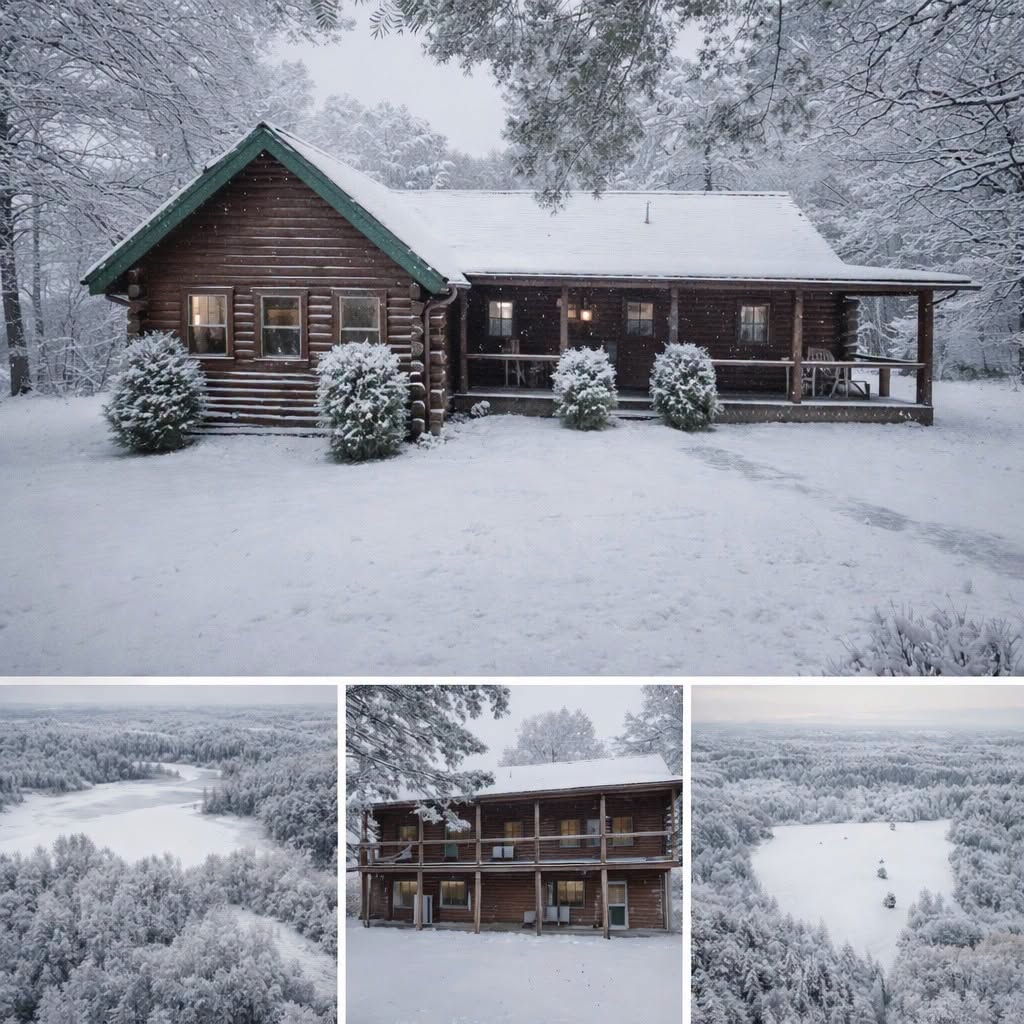
    Set within the quiet countryside of Freeport, Ohio, this 62.55-acre property offers a rare blend of comfortable living and immersive natural surroundings. The land unfolds in a balanced mix of mature woods, open crop fields, and gently rolling terrain that feels expansive without being overwhelming. At the center of the acreage sits a lodge-style home built in 1998, positioned to provide privacy while maintaining easy access and functionality. The setting feels intentional rather than remote, creating a sense of refuge that supports full-time living as naturally as it does seasonal use. From the outset, the property communicates cohesion, with the residence, land, and supporting structures forming a unified rural retreat.

    The home itself is designed for both daily life and large gatherings, offering five bedrooms and three bathrooms that accommodate family, guests, or multi-generational living with ease. Warm materials and generous proportions reinforce the lodge-inspired character, creating an interior that feels inviting rather than oversized. Two full kitchens add unusual flexibility, making it easy to host extended stays or create semi-independent living spaces. A spacious living room anchored by a fireplace becomes a natural gathering point, while the dedicated spa room with a sunken hot tub elevates the home beyond practicality into true comfort.

    Outdoor living plays a central role in how the home is experienced. Covered front and rear porches extend living space outward, offering uninterrupted views of fields and wildlife rather than neighboring structures. These spaces function as daily retreats for quiet reflection or social areas for gatherings, protected from the elements. Practical features like a Generac backup generator ensure reliable power year-round, an essential consideration for rural living that reinforces the property’s suitability as a permanent residence rather than a limited-use getaway.

    The land itself defines the property’s long-term value and versatility. A well-stocked pond supports fishing and enhances the natural ecosystem, while open fields currently used for crops can continue in agricultural production or transition into pasture or hay. Wooded areas provide wildlife cover and shaded recreation, and an established trail system allows easy access across the acreage by foot or vehicle. This thoughtful balance between open and wooded land preserves the property’s character while supporting a wide range of uses.

    Additional structures significantly expand the property’s functionality. A two-car garage with workshop space supports equipment storage, maintenance, and hands-on projects. A barn with fenced pasture is ready for livestock or horses, while remaining flexible for future adaptations. The presence of a historic schoolhouse adds a distinctive element, offering character, history, and creative potential for restoration, storage, or repurposing into a studio or guest space.

    Taken together, this Freeport property represents a complete vision of rural living. It supports comfort, independence, recreation, and long-term sustainability within a single, cohesive setting. Whether used as a full-time homestead, a recreational retreat, a hunting property, or a generational investment, it offers the space, infrastructure, and natural beauty to support that vision. In a market where large, versatile tracts are increasingly scarce, this property stands out as an opportunity to secure not just land, but a lasting way of life.

  • Where will you sit ?

    Where will you sit ?

    “Where will you sit?” At first, the question seems simple and practical, something a host asks while arranging chairs around the table. Yet if you think about it more carefully, the seat you choose can shape your entire experience. It determines who you talk to, what conversations you join, and sometimes even how you feel during the meal. Around a shared table, a seat becomes more than furniture—it becomes part of the story unfolding during the gathering.

    Throughout history, shared meals have held deep social meaning. Long before modern dining rooms existed, people gathered around fires to eat together. Across cultures—from Italy and Morocco to Japan and Mexico—the table has always been a place for connection. It is where families share news, celebrate milestones, resolve disagreements, and create memories that last for years.

    Certain seats around the table often carry symbolic roles. The head of the table traditionally belongs to the host or the eldest member of the family. From this position, the person often guides the rhythm of the meal, ensuring everyone feels welcome and that conversations flow naturally. It can be a seat of responsibility as much as

    Seats in the middle often become the liveliest spots. People sitting there naturally connect conversations from both sides of the table. They might help introduce topics, encourage quieter guests to join in, or bridge the gap between generations during family gatherings. These seats often become the social heart of the table.

    Meanwhile, the corner seat offers a different experience. From there, a person can quietly observe everything—the laughter, the gestures, the small acts of kindness like refilling a glass or passing a dish. Observers often notice emotional details others overlook, making their presence quietly valuable.

    Ultimately, shared meals remind us that the true importance of a seat is not its position but the connection it creates. Whether at the head, the middle, or the corner, what matters most is the spirit you bring to the table—your openness, presence, and willingness to share the moment with others.

  • Wheel of Fortune” Contestant Delivers Impressive Bonus Round Solve

    Wheel of Fortune” Contestant Delivers Impressive Bonus Round Solve

    A recent episode of Wheel of Fortune turned unexpectedly memorable when contestant Delinda Rood stepped onto the stage and delivered a performance that steadily built into a standout moment. Representing Rosemount, she competed against players from Palo Alto and Chattanooga in a game that began calmly, with cautious spins and evenly matched progress. Early rounds featured careful letter selections and a few missed chances, giving little hint that the episode would soon capture viewers’ attention long after the credits rolled.

    Rood described herself as an ambivert, balancing introverted focus with outward confidence, and that blend shaped her strategy. Instead of chasing risky opportunities, she watched the board closely, timing her moves with intention. Securing a key toss-up puzzle shifted momentum in her favor. From there, she selected letters deliberately, solved puzzles efficiently, and gradually built a commanding lead. Her measured pacing and concentration positioned her for a coveted place in the Bonus Round.

    The tension peaked in the final challenge. With standard letters revealed and her chosen consonants and vowel in place, Rood paused briefly to analyze the board. Then, almost instantly, she announced the correct solution. The speed of her answer surprised the audience and drew a visible reaction from host Ryan Seacrest, who acknowledged the impressive timing. Applause erupted as the prize was unveiled, pushing her total winnings to $65,650 and sealing one of the episode’s most exciting moments.

    More than the monetary reward, it was Rood’s composure that resonated. Game shows test nerves as much as knowledge, and her calm presence under pressure stood out. Online clips of her swift Bonus Round victory quickly circulated, with viewers praising her poise and sharp recall.

    What began as a routine competition transformed into a compelling example of preparation meeting opportunity. Rood’s steady confidence demonstrated how patience, strategy, and self-trust can elevate an ordinary appearance into an unforgettable success on a national stage.

  • A 1.9-acre property with three beds and three baths listed for just $75,000 is turning heads, sparking excitement over the space, potential, price, and possibilities—leaving buyers eager to see more details, features, photos, and what this surprising deal really offers.

    Set on a generous 1.9-acre lot, this Tudor-style stone cottage offers timeless charm, privacy, and historic character. Mature trees surround the home, creating a secluded, estate-like setting. A circular driveway leads to the entrance, enhancing curb appeal and establishing a welcoming first impression. The classic stone façade and hipped roof reflect enduring craftsmanship and architectural elegance.

    Inside, the two-story layout is centered around a striking central staircase that serves as both a functional feature and a visual focal point. The interior showcases thoughtful proportions and a sense of flow, with spaces designed for comfort and adaptability.

    The upper level includes three spacious bedrooms and two full bathrooms. The primary suite stands out with a walk-in closet and private bath, offering a peaceful retreat with room for customization. Natural light and flexible layouts allow future owners to personalize each space.

    On the main floor, hardwood flooring adds warmth and continuity throughout the living areas. A half bathroom provides convenience for guests, while a wood stove contributes rustic charm and a cozy atmosphere, ideal for cooler months.

    The basement offers additional potential, currently used for storage but suitable for future expansion such as a home office, recreation area, or additional living space. An attached two-car garage adds everyday practicality and extra storage.

    The home features electric heating, a hot-water system, and a septic tank, reflecting its semi-rural independence. These systems provide reliability while offering opportunities for modernization.

    Located within the Penn-Trafford School District, the property benefits from access to a respected educational system, adding both family appeal and long-term value. Despite its private setting, the home remains close to essential amenities.

    While the cottage requires renovation, it presents a rare opportunity for buyers with vision. With historic Tudor details, expansive land, and endless customization potential, this property offers the chance to create a distinctive residence that blends classic character with modern comfort.

  • The Truth About the “Upside-Down Glass” Sink Hack (And How to Truly Protect Your Home’s Peace)

    The Truth About the “Upside-Down Glass” Sink Hack (And How to Truly Protect Your Home’s Peace)

    There is a special kind of peace that comes from locking your front door and leaving for a well-deserved vacation. But viral household hacks can sometimes create unnecessary worries. One popular tip claims you should cover every sink and shower drain with an upside-down glass or plastic bag before leaving. Fortunately, most homes already have a simple defense against sewer gases.

    Underneath most sinks is a curved pipe called a P-trap. It holds a small amount of water after the fixture is used. This water creates a seal that helps prevent sewer gases from traveling backward through the plumbing and entering your home. Similar traps are commonly found beneath showers, bathtubs, and floor drains.

    For a normal vacation lasting several days or a few weeks, covering drains is generally unnecessary if the plumbing is functioning properly. However, rarely used fixtures can eventually lose their water seal because evaporation removes the water. Before leaving, briefly run water through sinks, showers, bathtubs, and other seldom-used fixtures to refresh their traps.

    There are more useful precautions to take before traveling. Check underneath sinks and around toilets, washing machines, dishwashers, and water heaters for leaks or moisture. Inspect appliance hoses and water connections for cracks, corrosion, or looseness. A small leak can become a major problem when nobody is home to notice it.

    Some homeowners also shut off the main water supply before leaving. This can reduce damage if a pipe or hose fails, but it is not suitable for every home. Heating systems, sprinklers, irrigation equipment, boilers, and other appliances may require an active water supply. Check your system or consult a qualified professional before doing this.

    Good pest prevention is also straightforward. Remove food scraps, empty trash, clean kitchen surfaces, and store pantry foods securely. Repair damaged screens and seal obvious exterior gaps. Peppermint oil or other scented remedies should not be considered dependable pest control.

    If you return to a sewer smell, run water into the affected drain. If the odor persists, there could be a damaged trap, plumbing defect, blocked vent, or another issue requiring professional attention. Persistent odors should be investigated rather than simply covered with fragrance.

    The takeaway is simple: for most vacations, you do not need an upside-down glass over every drain. Your home’s plumbing already provides a built-in water barrier. Refresh rarely used traps, check for leaks, secure food and trash, and make sensible water-supply decisions. Then lock the door, leave the worries behind, and enjoy your trip.

  • Dont Be Fooled by Supermarkets They Are Selling You Meat From Read More

    Dont Be Fooled by Supermarkets They Are Selling You Meat From Read More

    Many shoppers trust what they see at the meat counter—bright color, clean packaging, and labels that suggest quality. But those details can be misleading, hiding important information in small print that most people overlook.

    What appears to be a fresh cut of meat may actually contain added water or solutions. These are often introduced through methods like injection, tumbling, or soaking to improve texture and extend shelf life.

    While these processes are allowed, they can increase the product’s weight. This means you may be paying full price for meat that includes a portion of added liquid rather than pure protein.

    The key to understanding this lies in the fine print. Phrases like “contains up to X% retained water” or “enhanced with a solution” reveal what has been added, even if the front label suggests something more natural.

    Many consumers focus only on price or appearance, assuming similar-looking packages offer the same value. In reality, two nearly identical cuts can differ significantly in actual meat content.

    These differences can also affect cooking. Meat with added solutions may release more liquid in the pan, shrink differently, or have a slightly altered texture and taste.

    Reading the ingredient list and processing details allows you to compare products more accurately. It shifts your decision from guesswork to informed choice.

    In the end, understanding labels is the simplest way to avoid being misled. Looking beyond the surface ensures you know exactly what you’re paying for and what ends up on your plate.

  • $29,900 3 Bed, 2 Bath See More

    $29,900 3 Bed, 2 Bath See More

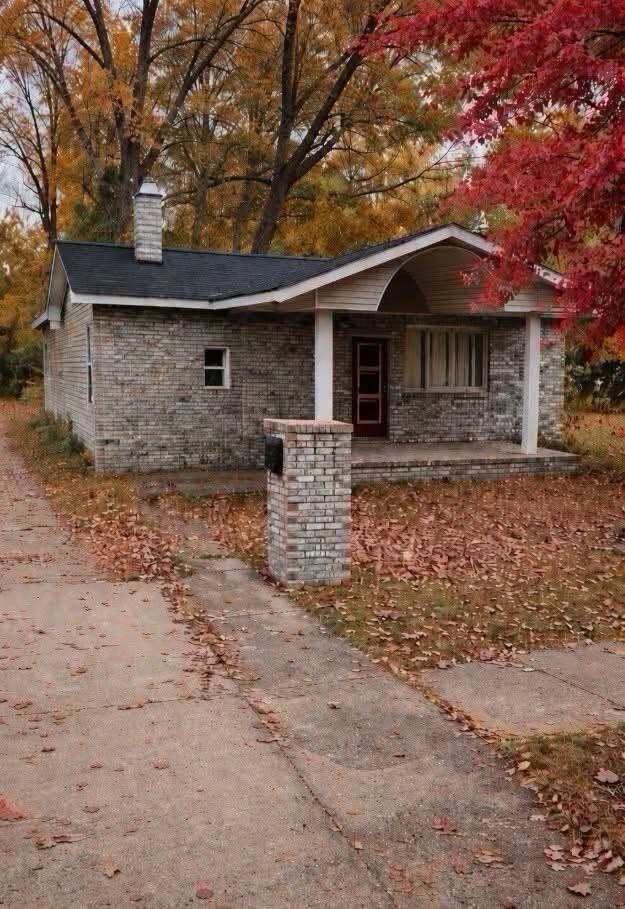
    A solid stone ranch sits quietly on a wide East St. Louis lot. From the street, it looks timeless—almost stubbornly unchanged by the years. A welcoming arch, classic ranch lines, and a fresh roof suggest a home with good bones. But then you notice the unusual rules: cash only, as-is, no tours, and no interior photos.

    The three-bedroom, two-bath property sits in a neighborhood surrounded by public schools and ongoing development. Its stone facade and broad lot give it obvious potential, but the locked door changes the equation. Buyers aren’t being invited inside to inspect the rooms, systems, or finishes before committing.

    That makes the unusually low asking price far more complicated than it first appears. An as-is purchase can leave the buyer responsible for structural problems, outdated electrical or plumbing systems, unpaid obligations, cleanup, and repairs that would normally be discovered during a conventional inspection.

    Cash-only terms add another layer of risk. Without traditional financing, the buyer needs enough money not only for the purchase but also for taxes, insurance, legal expenses, inspections that are possible, and potentially extensive renovations. The advertised price may be only the beginning of the real investment.

    Before making an offer, a serious buyer should investigate ownership records, liens, tax history, zoning and occupancy requirements, and any available permit information. Exterior clues can reveal drainage issues, foundation movement, roof problems, or neglect, but they cannot tell the whole story about what’s happening behind the walls.

    For experienced renovators, that uncertainty may represent opportunity. For everyone else, the low price should be viewed as compensation for risk—not proof of a bargain. A realistic renovation budget should include a substantial contingency for problems that may remain hidden until work begins.

    The real question isn’t simply, “What’s inside?” It’s whether the property’s eventual value can justify everything a buyer might have to spend to discover it. Nearby comparable properties, renovation costs, taxes, and potential resale value all matter before committing.

    Behind that stone facade could be a remarkable restoration—or a very expensive surprise. Until the interior can be properly investigated, the locked door isn’t proof of either. It’s a reminder that when a property is sold almost entirely on faith, careful research matters more than the excitement of an unusually low price.

  • My Son Tried to Take the House I Had Already Sold

    My Son Tried to Take the House I Had Already Sold

    I sold my house six months ago. My son, Greg, had no idea. Yesterday, he placed my suitcase beside the door and said, “A nursing home has a bed for you, Mom. Sign the house over and leave by Friday.” I sipped my tea and calmly replied, “First, ask the man who owns this house.” Greg laughed. “The only man who ever owned it is buried.” He meant his father, Walter.

    Walter built the house himself in 1974. After he died, Greg and his wife, Dana, moved in without asking. “You shouldn’t be alone, Mom,” Greg said. Within weeks, they had taken our bedroom while I slept on a folding bed in the sewing room. Dana began calling it “our house,” and Greg started taking $300 from my pension every month.

    I told myself they were helping me. Then, one night, I heard Greg on the phone. “She’s eighty-one. The house is worth four hundred thousand. We’ll list it the day she’s out.” I lay awake until morning. By sunrise, I knew I had to protect myself.

    While Greg was at work and Dana was away, I took the deed and Walter’s old leather folder to a lawyer. I sold the house legally. The new owner agreed to give me a lifetime lease for one dollar a year, allowing me to remain there until I died. I kept the new deed hidden inside my flour tin.

    For six months, I watched Greg and Dana plan their sale. Dana chose paint colors for “the buyers.” Greg brought a realtor named Chuck through the house and joked, “The old lady comes with it for now, but not for long.” I served them coffee and said nothing.

    Yesterday, Greg finally brought out my suitcase. “You’re leaving Friday,” he announced. I smiled. “First ask the man who owns this house.” He laughed again, certain he had already won. “Mom, stop pretending. Dad left this place to us.”

    I reached beneath the table and pulled out the folder. “Your father left it to me,” I said. “And six months ago, I sold it.” Greg’s face changed. Dana stopped breathing. “Sold it?” she whispered. “To whom?”

    I smiled and handed them the document. “You’ll find out soon.” Then someone knocked on the front door. It was the new owner—and behind her stood the lawyer. Greg stared at the papers as the lawyer said, “Perhaps we should discuss who has been living in whose house.”

  • He Chose to Be My Dad

    He Chose to Be My Dad

    On my seventeenth birthday, my biological father came back after fourteen years away. He arrived in a brand-new black car, convinced that an expensive gift could somehow make up for everything he had missed. Looking at my stepfather, Ray, he even said, “He could never give you something like this.”

    What my father didn’t understand was that Ray had already given me something money could never buy: his time. Ray had been there for every football game, even the ones where I barely played. He stayed up late helping me with chemistry, helped my mom and me through difficult months, and quietly put whatever he could into my college savings.

    Sometimes it was $80. Sometimes $20. Sometimes only $5. One birthday, Ray gave me a small wooden box. Inside were the account statements, along with notes beside every contribution: “Boots can wait.” “Brought lunch all week.” “Tight month — $0.” He hadn’t been trying to impress me. He simply wanted me to have a future.

    So when my biological father handed me the car keys, I took them for a moment. I understood why the offer was tempting. I had wanted a car for two years. Then I handed the keys back and said, “I’ve wanted a car for two years. But I wanted a dad for fourteen.”

    He looked stunned. “So you’re choosing Ray?”

    I shook my head. “No. He chose me.”

    My biological father eventually drove away. Ray didn’t celebrate or say anything dramatic. He simply went back inside and started washing the dishes. I followed him and thanked him for everything.

    He looked at me, smiled, and said three simple words: “You’re my kid.”

    I still have that wooden box. To me, it means more than any expensive car ever could. Because being a parent isn’t about what you can afford to give someone. It’s about who keeps showing up, especially when nobody is watching.