Author: xpress xpress

  • He Opened a Bag of Broccoli – What He Found Inside Left Him Horrified

    He Opened a Bag of Broccoli – What He Found Inside Left Him Horrified

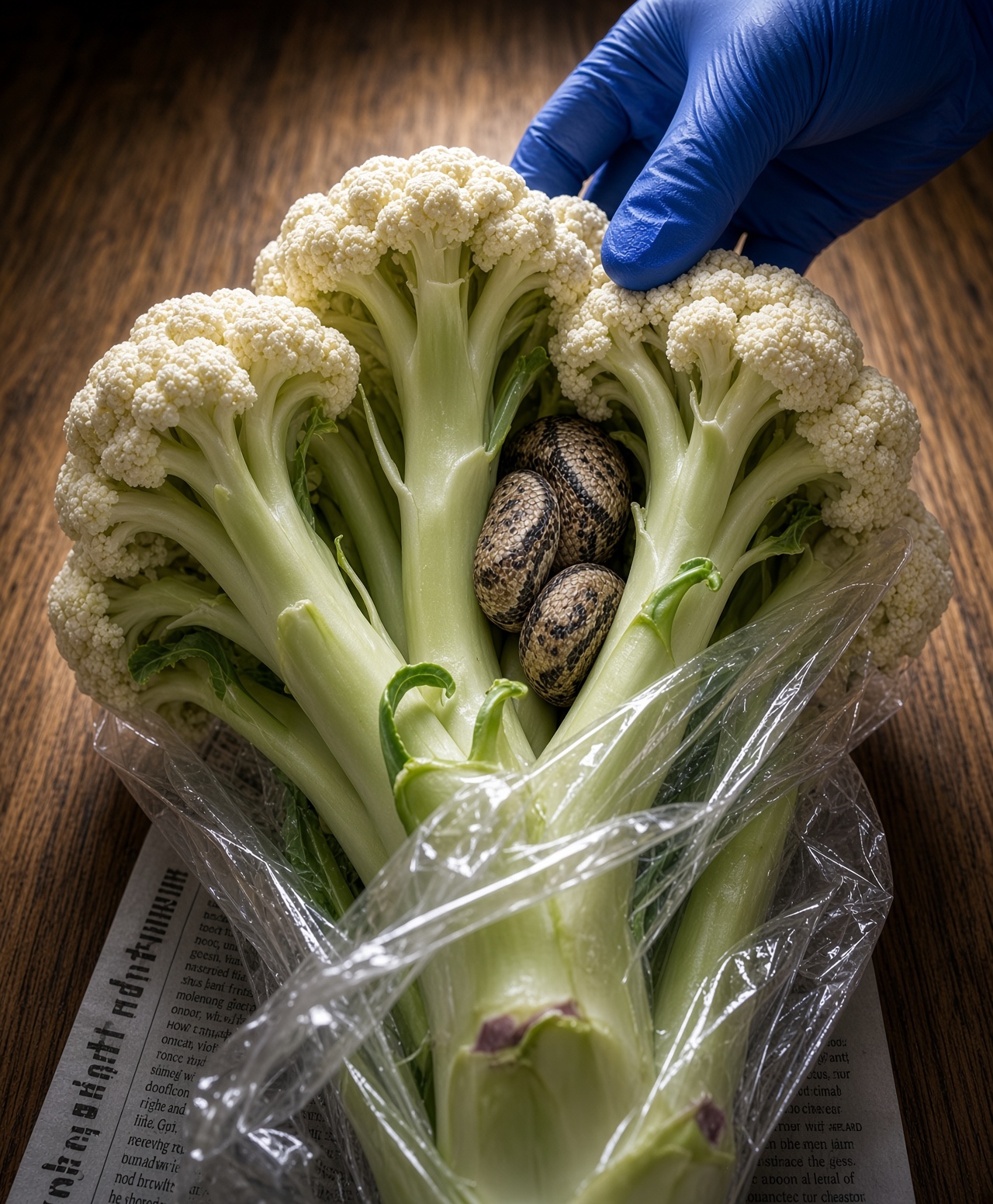
    A package of broccoli concealed a passenger nobody expected: a snake. Before specialists could identify the animal, the discovery raised an unsettling question about what had slipped through the journey from field to food packaging. The answer would bring relief, but the tiny stowaway’s extraordinary trip left one lingering mystery: how had it stayed hidden until that startling disc… Continues…

    The unexpected visitor was eventually taken to Dudley Zoo, where, according to the account, specialists identified it as a young ladder snake. Native to parts of southwestern Europe, the species is non-venomous—a reassuring outcome after such an alarming find. Its identification answered the biggest question, although the account did not establish exactly how the animal entered the package or escaped detection along the way.

    One possible explanation begins in the fields, where vegetables grow alongside wildlife. Small animals can occasionally be collected during harvesting, and broccoli’s tightly packed florets offer potential hiding places. That possibility does not make this a common occurrence: a snake in supermarket produce remains extraordinarily unusual. The story drew attention because it turned an everyday purchase into something startling. Beyond the shock, it offered a reminder that fresh food comes from living environments, without giving shoppers a reason to fear their next bag of vegetables.
  • He Opened the Wall to Find the Source of a Strange Smell and Was Stunned

    He Opened the Wall to Find the Source of a Strange Smell and Was Stunned

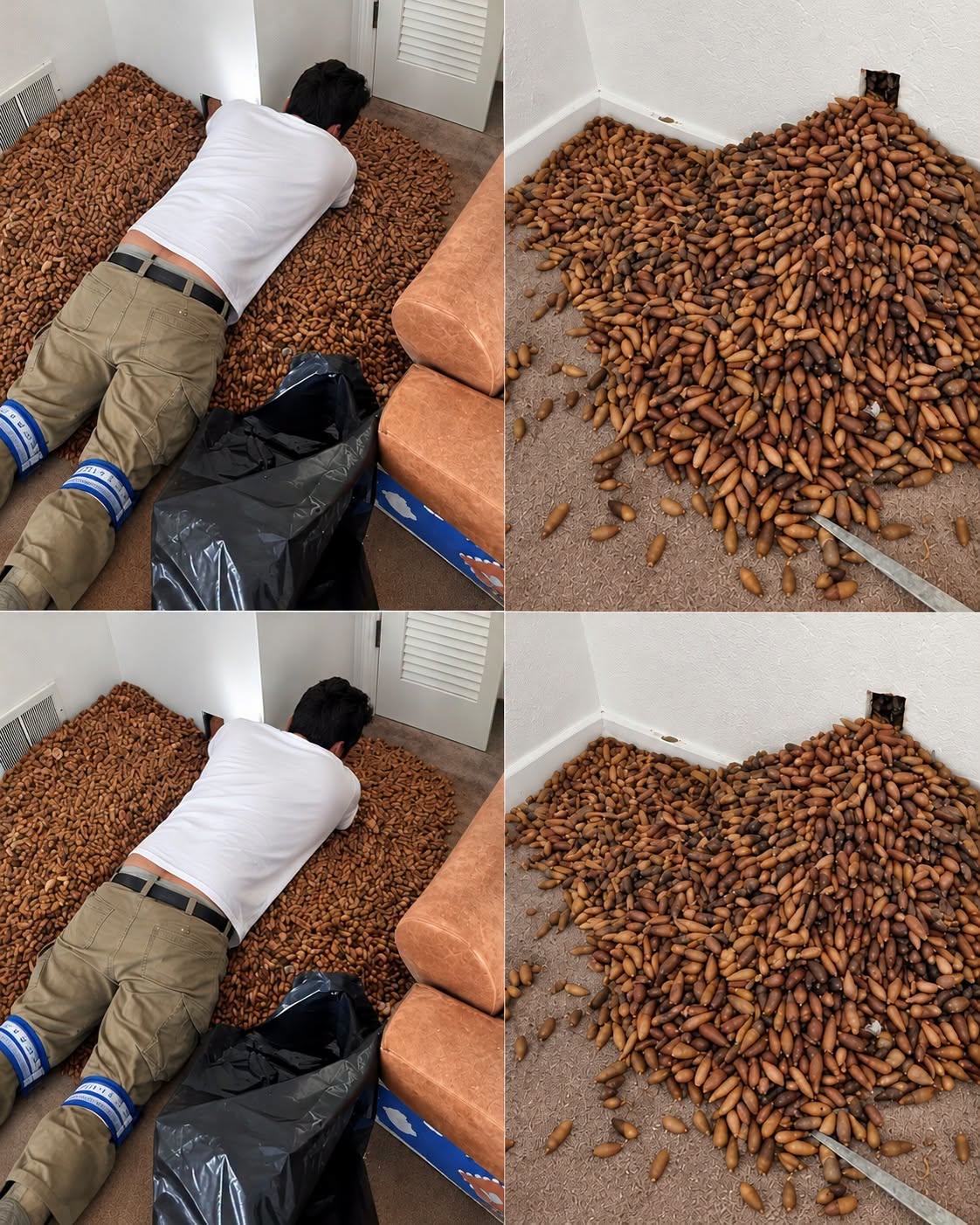
    The holes were small, but the secret behind them was staggering. When pest-control professional Nick Castro opened a California home’s wall, acorns began pouring out—and the hidden supply seemed impossible to exhaust. What looked like ordinary woodpecker damage had concealed something far bigger, turning a routine service call into a moment nobody there could have anticipated before this disc… Continues…

    According to the account, approximately 700 pounds of acorns were removed from the California house, filling roughly eight large trash bags. A woodpecker had been using openings in the siding to store food, gradually transforming the wall cavity into an enormous pantry. From outside, the damage offered little indication of the volume concealed within. For Nick Castro, the cleanup became one of the strangest assignments of a pest-control career spanning more than two decades.

    The bird was left unharmed. The openings were patched, and new siding helped make the home less inviting as a storage site. The episode offers homeowners a practical lesson: recurring exterior holes deserve investigation, not simply another repair. Wildlife may be seeking food storage, nesting space, or shelter, and professional guidance can help address the cause humanely. What remained unknown was how long this remarkable stockpile had taken to build—one small delivery at a time.

  • Should Adults Be Allowed to Order Kids’ Meals?

    Should Adults Be Allowed to Order Kids’ Meals?

    Children’s menus sit at an uncomfortable crossroads between restaurant economics and personal choice. Their lower prices and smaller servings are generally intended for younger diners, and businesses may enforce age restrictions to protect already tight margins. But adults seeking modest portions are not necessarily trying to exploit a bargain. They may simply want less food. When that request is met with a sharp refusal or a judgmental remark, an ordinary meal can become an embarrassing experience.

    The answer does not have to be unrestricted access to discounted children’s meals. Restaurants can offer smaller entrées, half portions, or clearly priced small plates that account for their costs while giving adults meaningful choices. Staff can also explain restrictions without making anyone defend their appetite. A business has every reason to protect its bottom line, but customers deserve dignity, too. Clear options and considerate service can keep a smaller order from becoming a bigger conflict.

  • Hidden Valentine

    Hidden Valentine

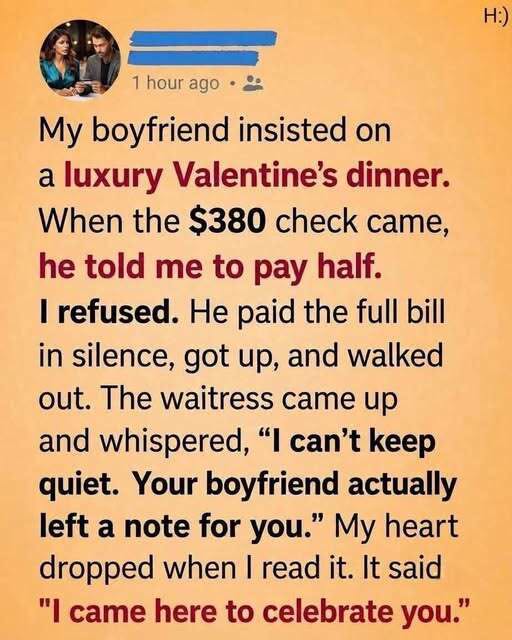
    After seven years together, she walked into a Valentine’s Day dinner believing it might become one of the most important nights of her life. Every detail seemed to point toward a proposal—the elegant restaurant, the candlelit table, and the nervous excitement in her partner’s behavior. She quietly imagined he might finally ask the question she had waited years to hear. Instead, the evening took an unexpected turn when he suggested they split the dinner bill. It wasn’t the cost of the meal that unsettled her, but the feeling that something deeper was happening beneath the surface. What she had expected to be a celebration of their future soon became something entirely different.

    Later, she learned that her boyfriend had been carrying an engagement ring throughout the dinner. He had intentionally suggested splitting the check because he wanted to observe her reaction before deciding whether to propose. In his mind, it was a test of her character, her attitude toward money, and whether she was the “right” person to spend his life with. For her, however, the issue had nothing to do with who paid for dinner. Couples can successfully manage finances in many different ways when they communicate openly. What hurt was realizing she had been unknowingly placed in a situation where she was being evaluated instead of treated as an equal partner. Rather than discussing their expectations for marriage, he had created a hidden challenge she never agreed to take.

    When she confronted him, he defended his decision by saying he simply wanted reassurance before making such an important commitment. But she saw it differently. She realized that trust cannot grow through secret experiments or silent judgments. Healthy relationships are built through honest conversations, mutual respect, and the willingness to address concerns openly. Although ending a seven-year relationship was incredibly painful, time helped her recognize it as a turning point rather than a failure. She no longer wanted a love that required passing hidden tests or proving her worth without knowing she was being judged. Looking back, she understood that the engagement ring was never the true symbol of commitment. The real foundation of a lasting relationship is trust, where both people feel safe enough to communicate honestly instead of testing one another in silence.

  • The Silent Sacrifice: My Daughter Abandoned Our Family for Korea, but the Truth Behind Her Annual Payments Left Me Broken

    The Silent Sacrifice: My Daughter Abandoned Our Family for Korea, but the Truth Behind Her Annual Payments Left Me Broken

    For twelve years, eight thousand dollars arrived in my account from South Korea—like clockwork. Everyone said I was lucky, that my daughter Mary Lou was devoted and thriving. I wanted to believe it. But money can’t tell you if your child is truly okay.

    After my husband died, she was my whole world. So when she married a man much older and moved across the world, I felt something was wrong. Still, she went, determined as ever, and I let her go—hoping she’d come back.

    She never did. Calls grew shorter, colder, rehearsed. Messages became routine: “I’m doing well.” I held onto that word, even as it felt empty.

    Video calls only made it worse. She looked distant, distracted. I was afraid to ask questions, afraid the truth would shatter everything. So I stayed silent and lived with the illusion.

    Years passed. I used her money to fix the house, but it never felt like home. Every holiday, I set a place for her anyway.

    By year twelve, I couldn’t take it anymore. I flew to Seoul unannounced. The house she gave me led to was large, modern—and completely lifeless.

    Inside, there were no signs of a real life. Bare rooms. No food. No warmth. Then I found boxes filled with cash. Panic set in.

    When she walked in, I barely recognized her. Exhausted, broken, older than her years. Through tears, she told me everything—abandoned by her husband, buried in his debts, working endlessly just to survive… and still sending me money.

    She had sacrificed everything so I wouldn’t worry. I didn’t care about the money anymore. I just wanted my daughter. We left together the next day—finally choosing each other over everything else.

  • Why Do Smart Travelers Throw a Water Bottle Under the Hotel Bed? The Surprising Safety Trick Explained

    Why Do Smart Travelers Throw a Water Bottle Under the Hotel Bed? The Surprising Safety Trick Explained

    Smart travelers sometimes use a simple trick when checking into a hotel room: they throw a water bottle under the bed. It may sound strange at first, but the idea behind it is surprisingly practical.

    The method works by observing how the bottle moves once it is pushed underneath. If it rolls smoothly and comes out the other side, it usually means the space under the bed is clear.

    However, if the bottle stops suddenly or doesn’t come out, it can signal that something is blocking it. This could be anything from forgotten items to objects left behind during cleaning.

    Hotel beds are often low and difficult to inspect without bending down or using a flashlight. This quick trick allows guests to check the area without much effort or discomfort.

    In most cases, what’s found under the bed is harmless, such as dust, trash, or personal belongings left by previous guests. Still, it’s useful to know what’s there.

    Some travelers use this method simply for peace of mind, especially when staying in an unfamiliar place or traveling alone. It gives them a small sense of control over their surroundings.

    It’s important to understand that this is not a foolproof safety measure. It’s just a quick and easy precaution that takes only a few seconds to try.

    Overall, the water bottle trick is a simple habit that can help travelers feel more comfortable, aware, and prepared when settling into a hotel room.

  • THE SIN OF CREMATION according to the Bible says!

    THE SIN OF CREMATION according to the Bible says!

    Cremation and Christian Faith: Tradition, Theology, and Choice

    In recent decades, cremation has become increasingly common in Western societies, driven by rising costs, limited burial space, and environmental concerns. For many families, it is a practical and respectful alternative to traditional burial. Yet within the Christian community, this shift raises theological questions about the body, tradition, and the promise of the afterlife.

    The central debate often asks whether cremation is a “sin.” Unlike burial, which is deeply rooted in biblical precedent, cremation lacks a single explicit prohibition. Historically, burial was the norm: patriarchs like Abraham and Moses were interred in the earth, reflecting a belief in the body as sacred and destined for future restoration.

    The most significant example is the burial of Jesus Christ. His entombment has long served as a model for Christians, symbolizing hope through the metaphor of sowing a seed that will rise again. St. Paul emphasized this idea, linking burial with resurrection and reinforcing why burial became the preferred tradition for centuries.

    Yet the Bible contains no direct law against cremation. Cases where bodies were burned usually involved extreme circumstances, not moral instruction. Modern theologians argue that while burial is traditional, cremation falls under Christian liberty, not doctrinal requirement.

    Concerns about cremation often invoke the body as the “temple of the Holy Spirit.” Some worry that burning the body shows disrespect or a lack of faith in resurrection. Scholars counter that God’s power to raise the dead is not limited by the physical state of remains, whether buried, burned, or scattered.

    Historically, cremation was linked to pagan practices denying resurrection, reinforcing Christian burial as counter-cultural. Today, cremation is typically motivated by practicality rather than theology, reflecting personal or familial choice rather than doctrinal rebellion.

    Most Christian denominations now agree that cremation does not affect salvation or resurrection. The faith emphasizes transformed, glorified bodies rather than the preservation of earthly remains, making the method of disposal secondary to spiritual hope.

    Ultimately, whether burial or cremation is chosen, the focus remains on Christ’s resurrection. The body’s resting place—grave or urn—matters less than the eternal promise of life beyond death, where neither fire nor decay can alter the hope found in Him.

  • This visual test reveals your ‘worst flaw’ based on the first animal you see

    This visual test reveals your ‘worst flaw’ based on the first animal you see

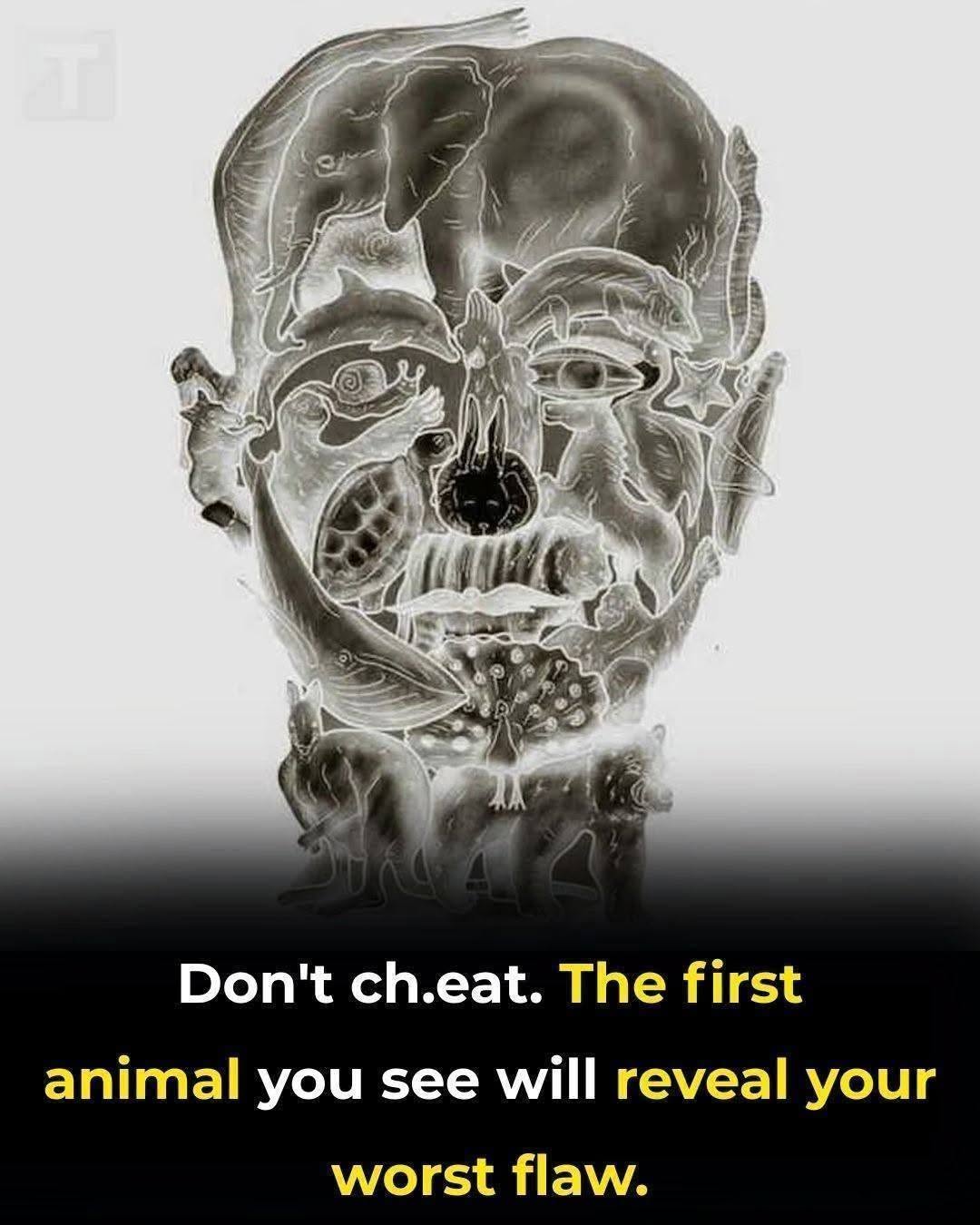
    An image circulating widely on social media claims to reveal your worst flaw based on the first animal you see. The illustration initially resembles a human face but contains numerous hidden animal figures.

    Viewers are encouraged to glance quickly and identify the first animal they notice—supposedly revealing a key personality flaw. Though these visual personality tests lack scientific backing, they’ve gained popularity for their entertainment value and ability to spark conversation.

    The test works by prompting observers to look at the image briefly and naturally note the first animal they recognize. Each animal is linked to a specific character trait: for example, seeing an elephant suggests stubbornness, while noticing an iguana points to emotional aloofness. A pig symbolizes indulgence, the cricket represents anxiety, and a horse implies pride. Other animals like the dolphin (impulsiveness), bear (rigidity), or fox (avoidance) round out a diverse set of possible flaws.

    More animals and their symbolic traits include the rabbit (insecurity), toucan (need for attention), kangaroo (inconsistency), and peacock (vanity). A turtle may indicate excessive caution, while seeing a whale could imply emotional isolation.

    Other interpretations: gorilla (dominance), duck (mood swings), starfish (escapism), snake (manipulation), sloth bear (procrastination), bird (instability), and snail (resistance to change). These attributions are meant to be light-hearted and provoke reflection or laughter, not psychological diagnosis.

    The appeal of these tests lies in their simplicity, the element of surprise, and the social interaction they inspire. They’re easy to share and fun to discuss with others. Many people are curious about how small details might “reveal” hidden truths about themselves, even if it’s just for amusement.

    Ultimately, while these tests don’t offer genuine psychological insights, they’re harmless fun when viewed with a sense of humor.

    They can offer a moment of introspection or simply a laugh with friends. Real personality and growth are far more nuanced—but if this viral illusion encourages self-reflection or social bonding, then it’s doing something positive in its own quirky way.

  • Sleeping Drool Could Reveal Hidden Health Issues You Might Be Missing

    Sleeping Drool Could Reveal Hidden Health Issues You Might Be Missing

    Drooling during sleep is common and usually harmless. It happens when saliva builds up and isn’t swallowed, often due to sleep position, relaxed muscles, or mouth breathing.

    Sleeping on your side or stomach makes drooling more likely, as gravity allows saliva to flow outward. Deeper sleep stages also relax facial muscles, reducing the body’s ability to keep saliva in.

    Other factors can contribute, including allergies, nasal congestion, or certain medications that affect saliva production or control. In most cases, occasional drooling is completely normal.

    However, frequent or excessive drooling—especially with symptoms like choking, sore throat, or daytime fatigue—may point to conditions such as Sleep Apnea and should be evaluated by a professional.

    Cultural views on drooling vary. Some see it as embarrassing or humorous, while others associate it with deep, restful sleep. In infants, it’s often linked to development and growth.

    From a biological perspective, drooling can signal relaxation. Saliva supports digestion and oral health, and overflow during sleep may indicate the body feels safe enough to fully relax.

    Psychologically, it may reflect comfort, trust, or reduced self-awareness during rest. Media often exaggerates drooling for humor, shaping how people perceive it socially.

    Overall, drooling is a simple but meaningful bodily function, influenced by physical, cultural, and psychological factors, and rarely a cause for concern unless persistent or severe.

  • The Ring You Choose May Reveal More About Your Personality Than You Think

    The Ring You Choose May Reveal More About Your Personality Than You Think

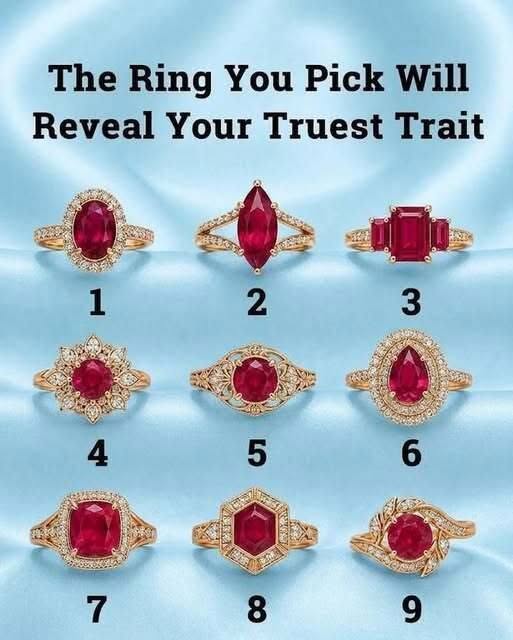
    Choose one of the nine purple gemstone rings and discover the personality trait associated with your selection. Each ring represents a different quality, such as dependability, peace, confidence, leadership, independence, or ambition.

    The idea is simple: look at all nine designs and notice which ring immediately catches your attention. Once you make your choice, you can read the description connected to that particular gemstone.

    Some rings represent calm and dependable personalities, suggesting people others can trust and rely on. Others symbolize peace and harmony, reflecting individuals who value balance and prefer avoiding unnecessary conflict.

    Several choices are associated with confidence and leadership. These descriptions may suggest someone who feels comfortable taking charge, making decisions, and guiding others when important situations arise.

    Other rings represent stronger and more ambitious qualities. They may describe people who are determined, bold, independent, competitive, and motivated to accomplish meaningful goals.

    Your result might feel surprisingly accurate, or it may simply describe a quality you admire or hope to develop. The purpose is less about proving something scientifically and more about seeing which description resonates with you.

    For the most enjoyable result, trust your first reaction instead of spending too much time analyzing every design. Sometimes the ring you instinctively choose can reveal something interesting about your preferences.

    Most importantly, remember that this is only a playful personality quiz. The descriptions are intended for entertainment, not as a serious psychological assessment. There is no right or wrong choice.

    So take a moment to examine the nine purple gemstones, choose the one that stands out to you most, and then discover the personality trait associated with your selection. Enjoy the result and see whether it feels like you.