Author: xpress xpress

  • The Ring You Pick Will Reveal Your Truest Trait

    The Ring You Pick Will Reveal Your Truest Trait

    Jewelry is more than adornment—it’s a silent language.
    The rings we choose reflect our inner world: our dreams, values, and the quiet truths we carry in our hearts.
    This isn’t about fortune-telling. It’s about self-discovery through style.
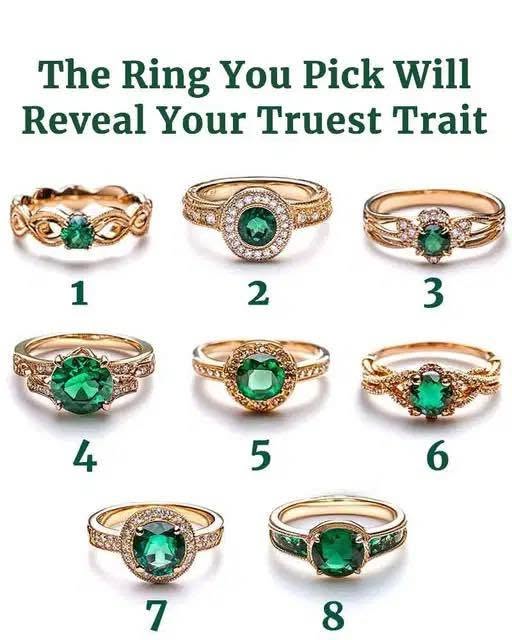
    Take a moment. Look at the rings below. Which one calls to you?
    Your first instinct reveals more than you think.
    🔮 What Your Ring Choice Says About You
    1. The Free Spirit
    You chose the organic, nature-inspired ring—perhaps with leaves, wood, or raw stones.
    You’re drawn to open skies, forest trails, and the rhythm of the earth. You value freedom over formality, and your calm presence grounds everyone around you. Life isn’t about possessions—it’s about sunsets, deep breaths, and bare feet on grass.
    2. The Classic Sophisticate
    You were captivated by the timeless solitaire or sleek band—elegant, understated, enduring.
    You believe true beauty never goes out of style. Your grace isn’t loud—it’s in your posture, your words, your quiet confidence. You leave impressions that linger long after you’ve left the room.
    3. The Romantic Dreamer

    You picked the delicate, floral, or heart-shaped ring—soft, sentimental, full of feeling.
    You feel deeply and love fiercely. You believe in soulful conversations, handwritten letters, and love that lasts. Your heart is your compass—and you’re not afraid to let it lead.
    4. The Bold Leader
    You were drawn to the geometric, oversized, or statement ring—strong lines, striking design.
    You don’t wait for permission—you create your own path. Challenges excite you. You see obstacles as invitations to rise. The world may call you “ambitious,” but you know you’re simply refusing to play small.
    5. The Social Butterfly:
    5. The Social Butterfly

    You loved the colorful, playful, or stackable ring—vibrant, fun, full of joy.

    You light up every room you enter. Connection is your oxygen. You remember birthdays, send “just because” texts, and turn strangers into friends. Your optimism isn’t naive—it’s your superpower.

    6. The Mysterious Enigma

    You chose the unusual, dark gemstone or asymmetrical ring—moody, intriguing, layered.

    You observe more than you speak. Your intuition is razor-sharp. People sense there’s depth beneath your surface—but only a few ever get to see it. You don’t need to be understood by everyone—just by the right ones.

    7. The Luxurious Visionary

    You selected the gleaming, opulent, or art-deco inspired ring—rich metals, bold stones, old-world glamour.

    You dream in gold and ambition. You appreciate beauty, quality, and legacy. But you’re no daydreamer—you pair vision with strategy. You build empires, not just wishlists.

    8. The Unique Trailblazer

    You picked the handmade, unconventional, or avant-garde ring—nothing you’ve seen before.

    You reject trends. You create them. Your creativity isn’t a hobby—it’s how you breathe. You’d rather be misunderstood than conform. The world needs your originality—never stop sharing it.

    💍 Why This Matters

    Your ring choice isn’t random.

    It’s a mirror of your core essence—the part of you that stays steady, even as life changes.

    Maybe you’ve been feeling lost lately.

    Or maybe you just needed a reminder of who you really are.

    So wear your truth boldly.

    Because the right ring doesn’t just fit your finger—

    it fits your soul.

    “Style is the fingerprint of the self.”

    Which ring did you choose? Did it surprise you—or feel like coming home? Share your number below—we’re all discovering ourselves together! ✨

  • Man converted storage silo into a beautiful 2-bedroom home — see inside

    Man converted storage silo into a beautiful 2-bedroom home — see inside

    Imagine driving along the scenic Highway 50 up to Elmdale, turning westward. Within a mere 90 minutes, you’re enveloped by the authentic serenity of Kansas.

    Listen to the rustling leaves, witness an unpolluted night sky, and experience a golden tranquility.

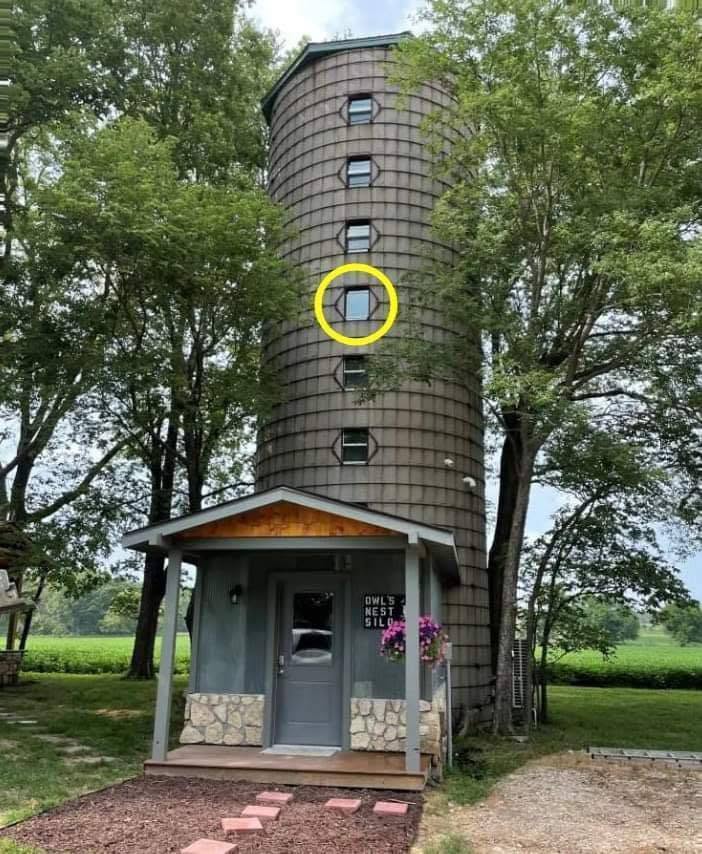
    Deep in the heart of West Chase County, surrounded by lush soybean fields and embraced by a gentle creek valley, is a silo vacation rental known as the Owl’s Nest Silo House.

    This isn’t just any house; it’s a meticulously designed log cabin, constructed in 2019, that you can call home, at least for a weekend.

    Gerald Wiens, the man behind this haven, had initially envisioned it as a log cabin for sporadic weekend rentals.

    “We decided that we were going to build a log cabin and rent it out for weekends, hopefully like Airbnb. We thought just a couple weekends a month,” he said.

    Gerald's Paw Print Cabin.

    Little did he anticipate the overwhelming demand during the pandemic year, with the Paw Print Cabin being occupied for over 180 nights!

    Close by the cabin, an old silo stood tall. It was in commendable shape and sparked an idea in Gerald.

    With some creativity, sketches, models, and brainstorming on floor plans, he embarked on a project to convert the silo into a living space. However, the circular structure presented some challenges.

    “That’s basically what happened. And then, you know, we just looked at many ideas. We had little models drawn. We had different floor plans,” said Gerald, per KSN.

    The result? A four-floor marvel standing at 45 feet.

    Stepping into the silo vacation rental, the entryway seamlessly flows into a unique circular living room, an intimate space designed for comfort and relaxation.

    The living room inside the silo vacatin rental.

    Immediately catching the eye, are two plush leather chairs perfectly positioned to encourage heartwarming conversations or solitary moments of reflection.

    For entertainment seekers, a modern flat-screen TV is strategically mounted above a magnificent stone-framed gas fireplace. Whether you’re in the mood for a movie night or simply want to enjoy the gentle warmth of the flames with a backdrop of your favorite show, this living space offers the perfect setting.

    TV and fireplace at Owl's Nest Silo House.

    And, not to forget practicality, cleverly tucked under the winding staircase is a discreet half bathroom. This space-saving design ensures that guests don’t have to venture far for amenities, even when ensconced in the comforts of the living room.

    Moreover, the Owl’s Nest Silo House offers an extraordinary journey to the pinnacle of comfort. To reach the grandeur of the fourth-floor master bedroom, you embark on a captivating ascent of 45 stairs, winding their way up.

    View of the spiral stairs looking down to the first floor of the silo vacation rental.

    For those interested, the log cabin is already listed on AirBnB under “Vacation Rentals Chase County,” and the silo vacation rental house will soon join its ranks.

    Outside view of Owl's Nest Silo.

    “To say it’s been a labor of love, I mean, we spent so much time here. If you had to pay me to do this, I’d hate to say how many hours it took because it’s not your typical construction,” said Gerald.

  • Doctor Explains What It Means If You Have Ridges On Your Fingernails

    Doctor Explains What It Means If You Have Ridges On Your Fingernails

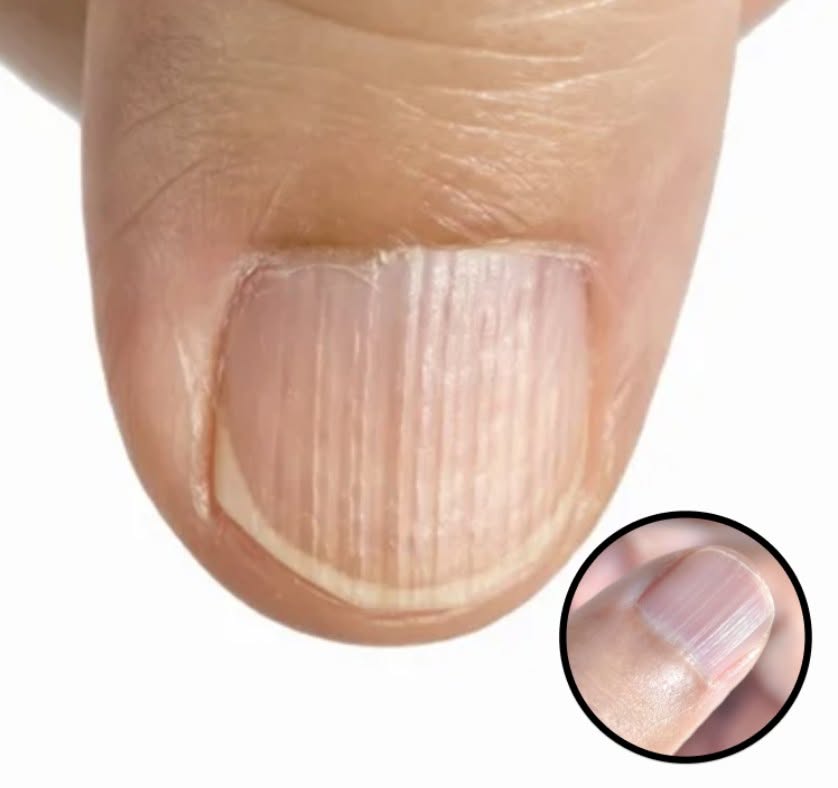
    A skin expert has recently shed light on what the ridges on your nails could mean—and when it’s time to take action and see a doctor. Dr. Ross Perry, a skin specialist at Cosmedics, explains that these ridges can signal various health issues, ranging from nutritional deficiencies to dehydration, or even certain skin conditions.

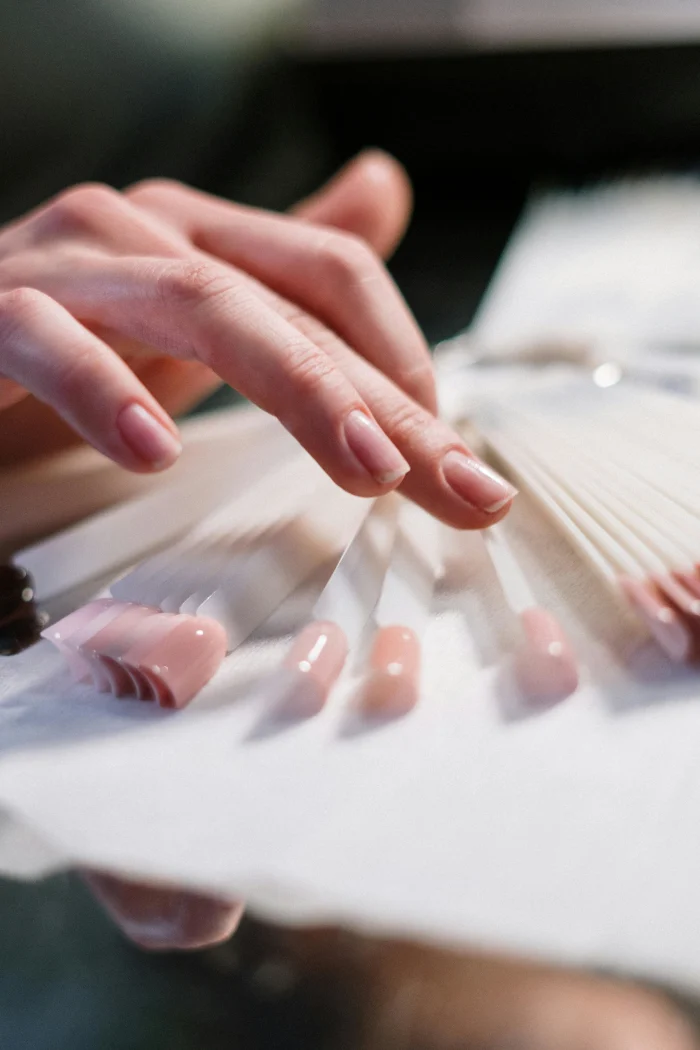
    A closeup of a woman's hand with well-manicured nails (for illustrative purposes), Photo Credit: Pexels

    A closeup of a woman’s hand with well-manicured nails (for illustrative purposes), Photo Credit: Pexels

    According to Dr. Perry, deficiencies in key vitamins or minerals could cause ridges to appear. “Nutritional factors like a lack of Vitamin A, or if your body is low on protein or calcium, may lead to ridges forming,” he said. “In more extreme cases, a severe iron deficiency can cause noticeable changes to your nails, such as the development of ridges”

    However, not all ridges are cause for concern. Dr. Perry emphasizes that most nail changes aren’t linked to anything serious. Common habits such as picking at your nails can also lead to these imperfections. The NHS adds that nail issues, like brittle or discolored nails, are often not indicative of a severe medical condition. “They clarify that most nail issues are typically not linked to serious health concerns.” “Common issues include nails that are brittle, loose, or change color or shape.”

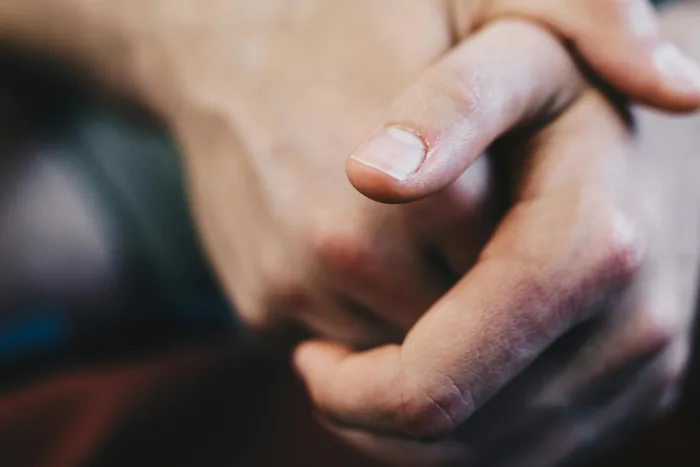
    Closeup of a man's hand highlighting his thumb's fingernail (for illustrative purposes), Photo Credit: Pexels

    Closeup of a man’s hand highlighting his thumb’s fingernail (for illustrative purposes), Photo Credit: Pexels

    But there is one exception that could point to a more serious underlying condition. Dr. Perry cautions that “severe, deep ridges,” though rare, might be indicative of a serious illness, like kidney disease, and should prompt a visit to the doctor. Additionally, conditions like diabetes can also trigger such changes in your nails, so it’s important to pay attention to these warning signs.

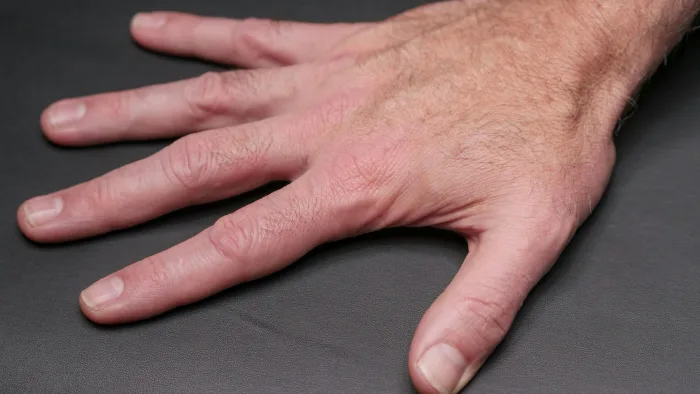
    Closeup of a man's hand (for illustrative purposes), Photo Credit: Pexels

    Closeup of a man’s hand (for illustrative purposes), Photo Credit: Pexels

    While it’s not always cause for alarm, the experts recommend seeking medical attention if you notice any significant changes in your nails. If a nail becomes misshapen, discolored, or falls off without a clear cause, it’s a good idea to consult a healthcare professional. Another reason to see a doctor is if the skin around your nails becomes sore, red, swollen, or warm, a condition known as paronychia, which could point to an infection or ingrown nail.

    The NHS also advises seeing a podiatrist if your nails become too tough to cut or are difficult to reach, which could lead to complications if left untreated.

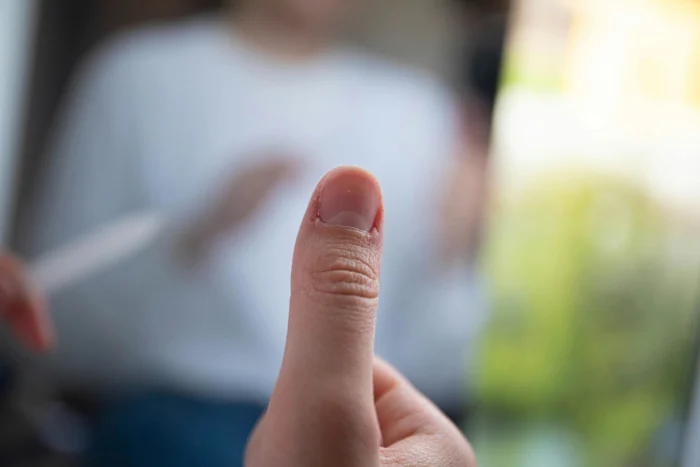
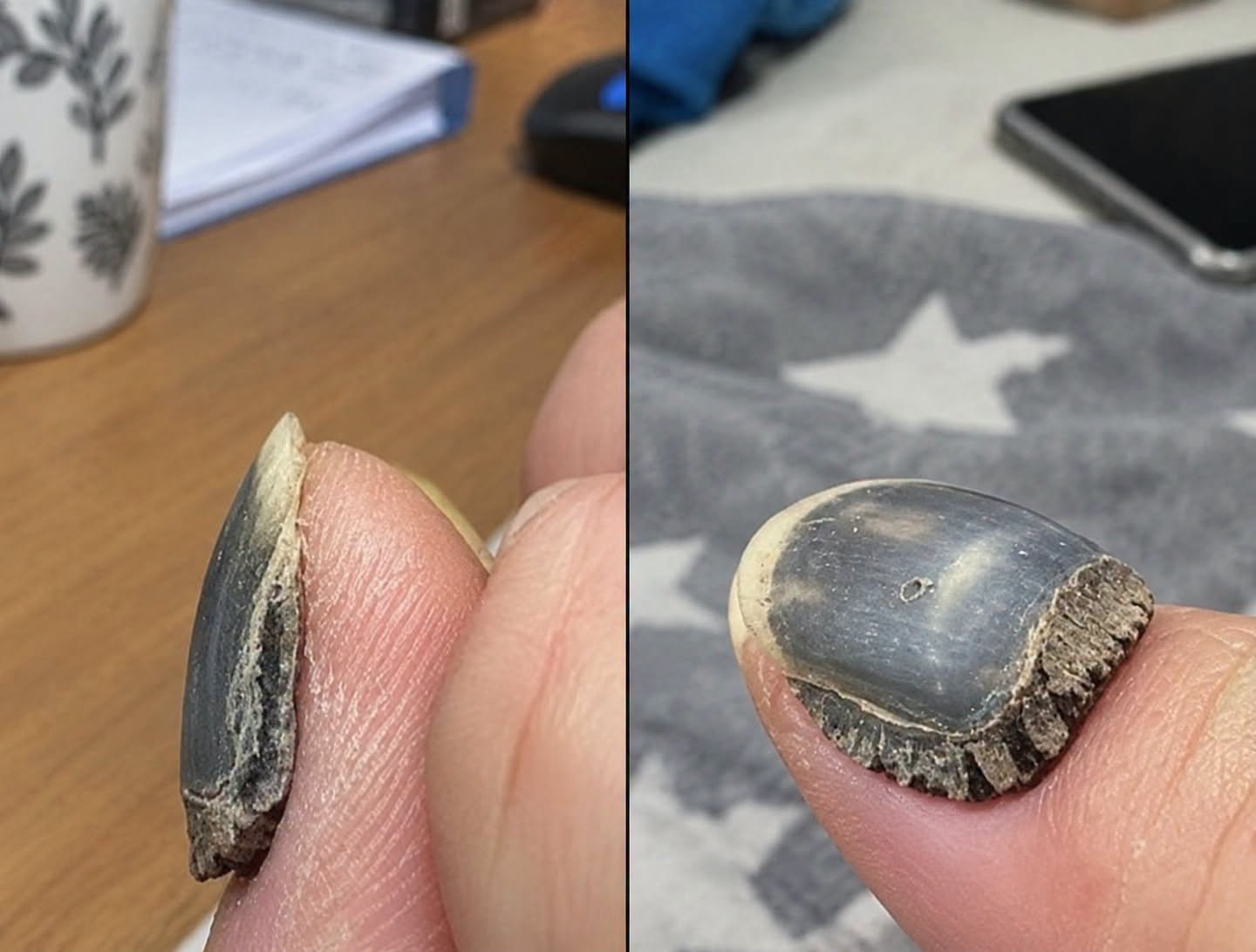
    Closeup of a person's thumb (for illustrative purposes), Photo Credit: Pexels

    Closeup of a person’s thumb (for illustrative purposes), Photo Credit: Pexels

    If you’re concerned about changes in your nails or suspect something might be wrong, it’s best to visit your GP for advice. For additional resources, the NHS website offers helpful information and guidance. Taking care of your nails might be simpler than you think, but it’s always important to stay vigilant when it comes to your health.

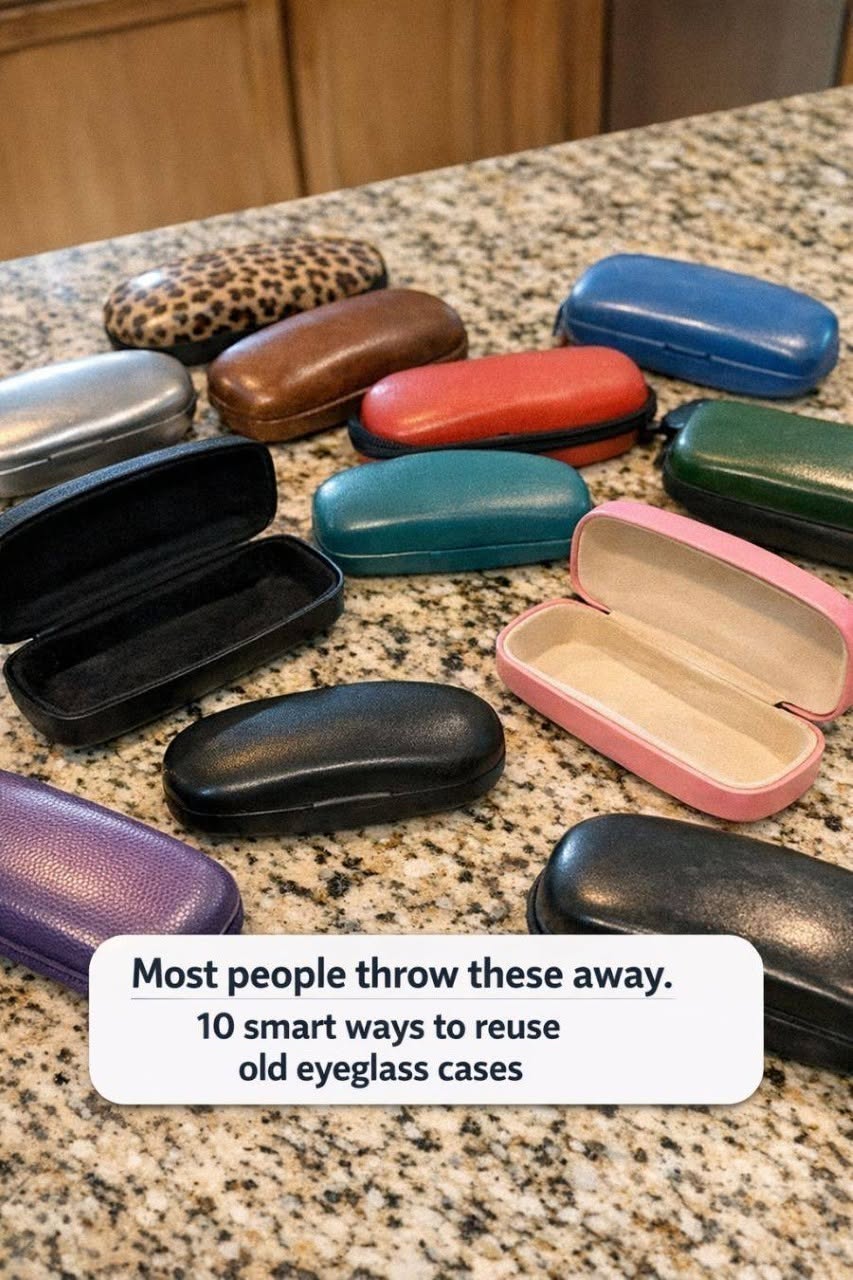
  • Most people throw these away. 10 smart ways to reuse old eyeglass cases

    Most people throw these away. 10 smart ways to reuse old eyeglass cases

    In a world increasingly conscious of sustainability and waste reduction, it’s surprising how often everyday items are dismissed as useless. Among these overlooked objects are old eyeglass cases. While many people discard them as soon as their glasses are replaced or upgraded, these sturdy little containers can serve a multitude of purposes beyond their original design. The key is to unlock their potential with a bit of creativity and some practical application.
    Old eyeglass cases come in various shapes, sizes, and materials, making them versatile for a range of reuses. Whether it’s for organizing small items or serving as portable storage solutions, these cases can be repurposed in ways that are both functional and eco-friendly. Here are ten smart ways to give those old eyeglass cases a new lease on life, saving you money and helping the planet by reducing waste.
    1. Turn Old Cases Into On-the-Go First Aid Kits
    Eyeglass cases are perfectly sized for creating compact first aid kits that can be easily carried in a purse, backpack, or glove compartment. Start by gathering small essentials like adhesive bandages, antiseptic wipes, tweezers, and pain relief tablets. Most standard cases will comfortably fit these items, allowing you to have basic medical supplies on hand for minor emergencies. Consider adding a mini first aid guide for extra preparedness. This DIY kit can be particularly useful for parents with young children, hikers, or anyone who spends a lot of time on the go.
    2. Transform Them Into Travel Sewing and Repair Kits
    An old eyeglass case can be a handy container for a travel-sized sewing kit. Fill it with essentials such as a small pair of scissors, a selection of needles, a few spools of thread in basic colors, buttons, and safety pins. If space permits, add a measuring tape and a seam ripper. This makeshift sewing kit is perfect for quick repairs and minor alterations while traveling or at home. Its compact size ensures it won’t take up much space in your luggage or drawer, and its sturdy exterior will keep your supplies secure.
    3. Use Them as Compact Tech Cable and Earbud Organizers
    In today’s digital age, keeping cables and earbuds untangled is a common struggle. An eyeglass case offers an ideal solution for organizing these tech accessories. Simply coil your charging cables, earbuds, and adapters neatly and store them inside. This prevents them from getting tangled or damaged in your bag. For added organization, consider labeling each case with its contents. This is especially useful for frequent travelers or anyone who carries multiple devices daily.
    4. Create a Portable Art Kit for Kids or Adults
    Transform an eyeglass case into a mini art kit for on-the-go creativity. Fill it with small art supplies like colored pencils, erasers, and a sharpener. You can also include a small notepad or sketchbook if space allows. This compact kit can keep children entertained during travel or waiting periods, and it’s equally delightful for adults who enjoy sketching or journaling. The hard case ensures that your supplies are protected and won’t get lost or broken 

    Eyeglass cases are discreet and ideal for carrying medications or vitamins. Arrange your daily pills in a small pill organizer or zip-lock bags, and place them inside the case. This method keeps your medications protected from moisture and damage, while also maintaining privacy. Additionally, the case can be labeled with your medication schedule, making it a convenient option for those who require regular doses while traveling or at work.
    6. Make a DIY Manicure or Grooming Kit for Your Bag
    Create a portable manicure or grooming kit using an old eyeglass case. Include items like nail clippers, a nail file, tweezers, and small bottles of hand sanitizer or lotion. This kit is perfect for maintaining your grooming routine while on the move. The hard exterior of the case will keep the tools from getting damaged, and its compact size makes it easy to slip into a handbag or carry-on.
    7. Convert Sturdy Cases Into Mini Tool or Hardware Boxes
    For those who enjoy DIY projects, eyeglass cases can be repurposed as mini toolboxes. Store small tools like screwdrivers, Allen wrenches, and pliers inside for easy access. You can also use them to organize screws, nails, and other hardware. This is especially useful for quick repairs around the house without having to lug around a full-sized toolbox. The durable case protects tools from rust and damage.
    8. Store Craft Supplies Like Beads, Buttons, and Threads
    Crafters will find eyeglass cases perfect for organizing small supplies. Use them to store beads, buttons, and spools of thread, keeping your workspace tidy and supplies easy to find. The cases can be stacked or labeled for specific projects, making it easier to manage your crafting inventory. Their hard shell prevents the contents from spilling and getting lost.
    9. Use Them as Travel Toothbrush and Hygiene Holders
    When traveling, keeping your toothbrush and other hygiene products clean and separate is essential. An eyeglass case provides a sanitary and convenient storage solution. Depending on the size of the case, you can fit a toothbrush, small toothpaste tube, and floss. This keeps your items protected from dirt and bacteria while in transit, and is easy to clean after use.
    10. Turn Pretty Cases Into Gift Boxes or Cash Envelopes
    If you have eyeglass cases with attractive designs, consider using them as unique gift boxes. Line the inside with tissue paper or fabric, and place small gifts or cash inside. This adds a personal touch to your gift-giving and can be reused by the recipient for other purposes. Alternatively, use them as cash envelopes for budgeting. Label each case for different spending categories, and enjoy a stylish way to manage your finances.
    11. Upcycle Cases Into Home Organization Helpers for Drawers and Desks
    Eyeglass cases can be used to declutter drawers and desks by organizing small items like paper clips, rubber bands, and spare keys. Line them up in a drawer or on your desk for easy access. This method prevents small items from getting lost and keeps your workspace tidy. Additionally, cases with clear lids allow you to see the contents at a glance, making it easier to find what you need.
  • Why You Should Avoid Boiling Mashed Potatoes in Water

    Why You Should Avoid Boiling Mashed Potatoes in Water

    Mashed potatoes are a classic favorite, but the way most people cook them is quietly ruining their flavor. Boiling potatoes in plain water might seem normal, but it actually strips away taste instead of enhancing it.

    When potatoes cook in water, they absorb liquid while losing natural starch and flavor. The result? Mashed potatoes that feel bland, flat, and sometimes even watery. You end up needing extra butter, salt, or cream just to fix what was lost during boiling.

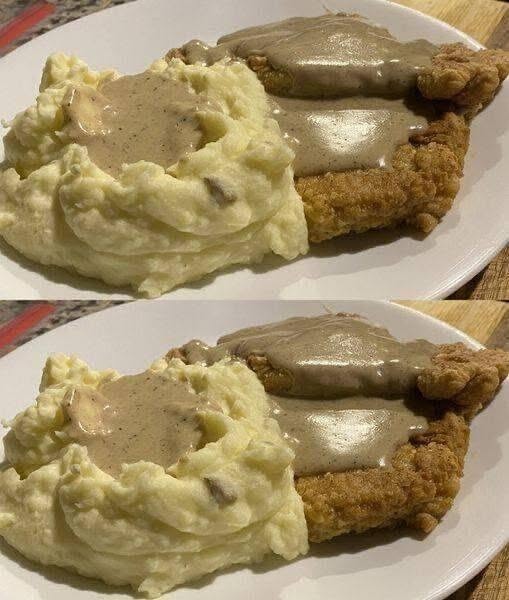
    That’s where a simple trick makes a huge difference. Instead of plain water, many home cooks are now using chicken stock—or a mix of stock and water—to boil their potatoes. This small change infuses flavor directly into the potatoes as they cook.

    Even better, leaving the skins on while boiling adds texture and depth. The final mash becomes richer, slightly rustic, and far more satisfying without needing heavy additions.

    People who’ve tried this method often notice the difference immediately. The potatoes taste fuller, more savory, and balanced—almost like they were seasoned from the inside out.

    From there, you can build even more flavor. Adding sour cream, chives, or a bit of butter enhances the taste without overpowering it. Every ingredient feels more intentional because the base is already strong.

    This idea is part of a bigger shift in cooking—using simple tricks to get better results without extra effort.

    And once you try it, going back to plain water might feel like you’ve been missing something all along…

  • Understanding the Relationship Between Breast Size and Hormonal Health

    Understanding the Relationship Between Breast Size and Hormonal Health

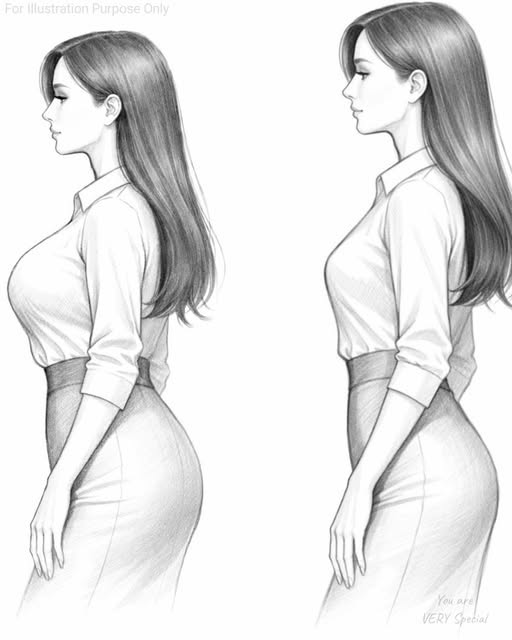
    Breast size is shaped by a combination of genetics, hormones, age, body weight, and lifestyle habits. These factors interact differently for every woman, which is why breast size varies so widely from person to person. Despite how much attention society gives to physical appearance, breast size is not an indicator of a woman’s overall health, fertility, or femininity. The idea that smaller breasts reflect poor health or that larger breasts symbolize greater attractiveness or vitality is a misconception that has no scientific basis.

    True health involves far more than physical appearance. It is the result of a balanced lifestyle that includes proper nutrition, emotional stability, and consistent physical activity. Basing health judgments on body traits such as breast size reinforces unhelpful stereotypes and distracts from the real measures of wellness. Energy levels, immune strength, metabolic function, and emotional resilience are far more reliable indicators of how healthy a person truly is.

    Some medical studies have explored possible links between breast size and certain conditions, such as type 2 diabetes or back pain, but these associations are often related to body weight rather than breast tissue itself. Since breasts are largely composed of fat, women with higher body fat percentages may have larger breasts. This means any health risks that appear linked to breast size are usually connected to overall body composition and metabolic factors, not to the breasts directly. It is important to understand this distinction to avoid false assumptions about health based on physical traits.

    Breast size can also change over time due to hormonal fluctuations, pregnancy, breastfeeding, or aging. Estrogen and progesterone levels influence breast tissue, while lifestyle choices such as exercise and diet can subtly affect body fat distribution. For instance, significant weight loss or gain can change breast size since fat cells make up a large portion of breast volume. Still, these changes are natural and should be viewed as part of the body’s normal rhythm rather than as signs of health improvement or decline.

    Focusing on healthy daily habits offers far greater benefits than worrying about size or shape. Eating balanced meals rich in whole foods, engaging in regular physical activity, and managing stress are the foundations of hormonal balance and long-term well-being. Adequate sleep and hydration also play crucial roles in keeping the body’s systems stable. Some people turn to natural remedies or supplements such as sage tea or maca root to support hormonal health, but these should always be used carefully and ideally under medical supervision. Not all herbal treatments are safe or effective for everyone, and professional guidance helps prevent unwanted side effects or interactions with medications.

    Each woman’s body is unique, and so is her experience with it. Comparing one body to another only undermines self-confidence and creates unnecessary pressure to conform to unrealistic beauty ideals. True femininity and confidence come from embracing one’s individuality, caring for one’s body, and cultivating a healthy relationship with it.

    In the end, breast size is simply one of many physical traits shaped by nature and lifestyle. It does not define a woman’s worth, vitality, or attractiveness. Health is reflected in how well the body functions, how strong and balanced it feels, and how well it is cared for through consistent healthy choices. Learning to appreciate and respect your body in its natural form promotes lasting confidence and genuine well-being.

  • These Can Be Signs of Poor Circulation in Your Legs—Here’s When to Pay Attention

    These Can Be Signs of Poor Circulation in Your Legs—Here’s When to Pay Attention

    Swollen ankles are easy to ignore, especially after a long day, but they can signal more than simple fatigue. That heavy feeling in your legs, the itching around your skin, or deep marks left by socks may point to an underlying issue that deserves attention.

    One common cause is a condition linked to poor blood flow in the veins. When veins in the legs struggle to push blood back toward the heart, pressure builds up. Over time, this can lead to swelling, discomfort, and visible skin changes.

    The skin around the ankles may start to look darker or feel irritated. In some cases, it becomes dry, fragile, or unusually thick. If the problem continues, small wounds can form and may be slow to heal, increasing the risk of complications.

    These changes are often dismissed as part of aging, but they are not something to overlook. Similar symptoms can come from different causes, which is why proper evaluation is important instead of self-diagnosing.

    Simple habits can sometimes reduce mild swelling. Moving regularly, avoiding long periods of sitting or standing, and elevating your legs can help circulation. Gentle ankle movements throughout the day may also ease pressure.

    Some people consider compression socks, but they are not suitable for everyone. Using them without guidance can sometimes do more harm than good, so it’s best to consult a healthcare professional first.

    Pay attention to warning signs that go beyond mild discomfort. Persistent swelling, changes in skin color, or sores that do not heal should always be checked by a doctor.

    If swelling appears suddenly in one leg, especially with pain, warmth, or redness, it could indicate a more serious condition. Symptoms like chest pain or difficulty breathing require immediate medical attention and should never be ignored.

  • My Former Friend Married My Ex-Husband. One Night, She Called in Fear—and Everything Changed

    My Former Friend Married My Ex-Husband. One Night, She Called in Fear—and Everything Changed

    When Stacey showed up at my door, shaking and pale, I did not see the woman who had married my ex husband. I saw someone drowning in a story I already knew by heart. Her eyes were wide with fear and disbelief, the same look I once saw in the mirror when my own illusions collapsed. She barely spoke at first, just stood there as if she might fall apart on the welcome mat. In that moment, whatever resentment I might have carried dissolved into something quieter and heavier. Recognition.

    Inside, we sat at the kitchen table with the journals and messages spread between us like evidence from a life neither of us had fully understood. Page by page, the illusion shattered. Alan was not a monster in the dramatic way pain sometimes demands. He was worse in a quieter sense. A man incapable of real emotional commitment. A man who mirrored longing without ever anchoring it. A man who learned how to sound devoted without ever learning how to be devoted. The truth did not excuse the damage he caused. But it finally explained the pattern. The drifting. The promises that evaporated just as they were needed most. The way everyone around him felt unseen, yet somehow blamed themselves for it.

    As we read, the room filled with a strange stillness. Anger flickered, but it did not dominate. What took its place was clarity. The kind that hurts, yet steadies you. Stacey cried softly at first, then harder. Not for me, not even fully for herself, but for the version of the marriage she had believed in with her whole heart. I understood that grief intimately. It is the grief of realizing you loved someone who was never fully there.

    The quiet hours before sunrise carried a weight that felt almost sacred. The world outside was asleep while two lives were being quietly rerouted inside my kitchen. Fear slowly gave way to something steadier. Stacey chose to leave. Not in a dramatic burst of rage, but in a grounded decision rooted in self preservation. I chose, with the same calm resolve, to protect my daughters and my own peace. There was no grand speech. No cinematic closure. Just the quiet dignity of choosing not to stay trapped in a story that kept repeating its damage.

    In the weeks that followed, an unexpected bond formed between us. We met for coffee at first, cautiously. Two women who had once been positioned as rivals now exchanging the truth without competition. We spoke about the confusion, the gaslighting, the subtle erosion of trust that happens when love is always just out of reach. We did not need to compare wounds to know they were real. We simply recognized them in each other.

    Forgiveness arrived slowly. Not as a dramatic act of absolution, but as a gradual loosening of the grip the past had on our nervous systems. It did not erase what happened. It did not rewrite history. It only freed us from living inside it every day. I forgave not because the pain was small, but because carrying it any longer was costing me more than it was costing him.

    What surprised me most was the relief. Not the kind that bursts in fireworks, but the kind that settles quietly into the body. I slept better. My shoulders softened. My daughters began to laugh more easily again, sensing a shift they could not fully name. Peace, I learned, is not loud. It simply stays.

    Stacey and I eventually drifted into separate lives again, but with genuine goodwill between us. We did not need to remain close to honor what we had shared. We had already given each other something rare. The truth without distortion. The validation without rivalry. The understanding that neither of us had failed to love. We had simply loved someone who could not meet us there.

    We walked forward on different paths, yet both carrying the same hard won gift. Freedom anchored in self respect.

  • 9 Quiet Behaviors That Show Why Kind People Often Have Few Friends

    9 Quiet Behaviors That Show Why Kind People Often Have Few Friends

    When most of us picture a kind person, we imagine someone surrounded by friends, always included, and loved by everyone. But in reality, some of the kindest people are the most solitary. They may be deeply compassionate, generous with their time, and wise beyond their years, yet they often walk through life with only a handful of close companions.

    It seems like a contradiction. Why would someone who radiates kindness and understanding not be the center of every social circle? The truth is that the very qualities that make these people extraordinary are also the ones that set them apart from the crowd.

    Kind individuals often carry a depth that doesn’t fit neatly into the fast, shallow pace of modern social life. They may prefer meaningful conversations over small talk, or peace over drama. They don’t chase attention, and they protect their energy carefully.

    If you’ve ever wondered why the warmest, most generous people you know seem to keep a small circle, the following nine behaviors explain why. These patterns aren’t weaknesses. In fact, they reflect a quiet strength and self-awareness that many of us could learn from.

    1. They Listen Deeply Instead of Talking Loudly

    In social groups, the loudest voices often command the most attention. But kind people usually aren’t the ones interrupting or trying to dominate a conversation. Instead, they listen with genuine focus.

    They don’t just wait for their turn to speak. They pay attention, remember details, and make people feel truly seen. This makes them wonderful confidants yet it also means they can fade into the background in louder, fast-moving groups.

    To the casual observer, they may look quiet or detached. But in reality, their power lies in their listening. They build trust slowly, and those who take the time to notice them often discover the depth and reliability of a true friend.

    2. They Stay Away From Gossip and Group Drama

    For many social groups, gossip is a form of bonding. It creates quick laughs, temporary alliances, and a sense of belonging. But for kind people, gossip feels toxic.

    They don’t like tearing others down, replaying conflicts, or fueling negativity. Instead of joining in, they step back. And when drama dominates a group, they often drift away entirely.

    This can make them appear distant or “too serious,” but in truth, it’s a choice. They value peace over popularity. Over time, this means they form fewer friendships but the ones they keep are far healthier.

    3. They Set Boundaries Quietly

    Many people assume kindness means saying yes to everything. But the kindest souls often understand that true compassion includes respecting themselves.

    They will give generously when they can, but they won’t allow themselves to be taken advantage of. Their boundaries are subtle. They don’t announce them loudly or argue about them. They simply step away from situations that feel wrong.

    Others may misinterpret this as being aloof or cold. In reality, it’s how they preserve their emotional health. By guarding their boundaries, they ensure their kindness stays genuine instead of becoming exhaustion or resentment.

    4. They Feel Empathy Deeply Sometimes Too Deeply

    Kind people are often highly empathetic. They notice when someone is hurting, even without words. They feel others’ struggles almost as if they were their own.

    While this makes them incredibly supportive friends, it can also leave them drained. A single painful conversation can weigh on them for days.

    Because of this, they often step back to recharge. They may decline invitations or take longer to reply to messages, not because they don’t care, but because they feel too much. Their solitude is not rejection. It’s a form of self-preservation.

    5. They Don’t Crave Attention or Validation

    In a world where social media rewards self-promotion, kind people stand apart. They don’t post constantly for likes, and they don’t fish for compliments.

    Their self-worth doesn’t depend on being noticed. They live by quiet consistency rather than loud performance. This humility can cause others to overlook them, assuming they are “boring.”

    But those who look closely see the opposite: quiet humor, deep character, and steadfast reliability. They don’t need applause to know who they are. They only need trust.

    6. They Choose Where to Spend Their Energy

    Kindness does not mean availability to everyone. The kindest people often learn, through experience, that not everyone deserves their time and attention.

    Instead of spreading themselves thin, they choose a few relationships to nurture deeply. They’re not interested in popularity contests or collecting acquaintances. They value quality over quantity.

    This selectivity means they won’t always be in every group chat or invited to every party. But when they are with someone, they give their whole heart.

    7. They Sometimes Attract the Wrong People

    Because kind people give freely, they can become magnets for those who take advantage. They listen, support, and help without expecting much in return — and unfortunately, this generosity can attract people who drain them.

    Over time, they learn to be more cautious. They don’t stop being kind, but they stop being endlessly available. This shift often reduces the size of their social circle, but it leaves them with more balanced and fulfilling connections.

    8. They Prefer One-on-One Connection Over Large Groups

    Big social gatherings often feel overwhelming for kind, sensitive people. They dislike shallow chatter and forced laughter. Instead, they thrive in smaller, more intimate settings.

    A single heartfelt conversation over coffee is worth more to them than an entire night out. This preference can make them seem antisocial in extroverted cultures, but in reality, it reflects their depth.

    They want to connect honestly, not superficially. That is why the friendships they do form are so strong and enduring.

    9. They Refuse to Fake It

    Perhaps the clearest reason kind people have fewer friends is that they will not compromise their authenticity. They won’t pretend to be someone they’re not, or laugh at jokes they find cruel, or engage in situations that feel false.

    If a social gathering requires them to act in ways that betray their values, they simply stay home. Some may misinterpret this as arrogance, but it is integrity.

    They would rather sit alone with their truth than stand in a crowd built on lies. And that honesty makes the friendships they do nurture profoundly genuine.

    The Quiet Strength of Kindness

    Kindness and popularity do not always go hand in hand. The people who give the most often keep the smallest circles. Their solitude isn’t a failure — it’s a conscious choice shaped by self-respect and wisdom.

    If you recognize yourself in these nine behaviors, take comfort in knowing you are not alone. Your kindness may not always make you popular, but it makes you rare. You value authenticity over performance, peace over noise, and depth over numbers.

    And if you recognize someone else in these descriptions, don’t mistake their quiet for disinterest. You may be in the presence of one of the rarest treasures life has to offer: a truly kind person who knows their worth and lives with quiet strength.
  • Why a Jar of Pickles Became an Unforgettable Memory

    Why a Jar of Pickles Became an Unforgettable Memory

    One evening, my wife had a sudden craving for McDonald’s pickles. Knowing how important it was to her, especially now that she was expecting, I went to the nearest McDonald’s to try to buy a container of just the pickles. When I asked the cashier, she kindly explained that they couldn’t sell pickles by themselves.

    Determined to bring a smile to my wife’s face, I jokingly said, “Okay then, give me 100 hamburgers with extra pickles, and hold everything else.” The cashier looked puzzled and went to get the manager.When the manager arrived, I explained the situation: “My wife is pregnant, and she’s been craving McDonald’s pickles. I really don’t want to go home without them.”

    The manager paused, smiled, and went to the back. A few minutes later, he returned with a large container filled with fresh pickles. He handed it to me and said, “Take these to your wife. No charge.”hat night, as my wife happily enjoyed her pickles, I realized something important: sometimes, it’s not about the pickles, or even the craving.

    It’s about love, patience, and the small acts of kindness that bring people together. The manager didn’t just give us pickles — he gave us a memory we’ll never forget.It reminded me that when you go out of your way for someone you love, you create moments that last far longer than the craving itself.