The silence broke in an instant.
One moment it was just waves, wind, and a happy dog. The next, a pale, alien mass lay sprawled on the shore, its ghostly strands glistening like wet hair in the weak morning light. I froze, heart pounding, as my dog strained toward it. I took photos, sent messages, waited for someone to tell me it was harmless. No one could. No one even knew what it trul… Continues…
I kept my distance, torn between fear and fascination. The thing seemed to breathe with the tide, its translucent body pulsing as if alive, even though it lay motionless on the sand. Every instinct told me to leave it alone, to pull my dog away and pretend we’d never seen it. But curiosity dug in deeper than fear.
Later, after searching online and comparing my photos, the answer appeared: a Lion’s Mane Jellyfish, one of the largest jellyfish species in the world, its tentacles capable of painful stings even after washing ashore. Relief mixed with a strange awe. What had first felt like a threat became a reminder of how wild and powerful the sea really is. That morning walk changed nothing about the beach—but it changed the way I look at every wave that rolls in.
The first message didn’t sound like a mistake. It sounded like a threat. A family already shattered by the disappearance of their 84 year old mother suddenly faced something colder: a stranger reaching into their grief. Bitcoin. Ransom. Nine seconds of silence on a phone line. No answers. No proof. Just escalating ter… Continues…
The man behind the message, investigators say, wasn’t part of a shadowy kidnapping ring. He was an onlooker. Someone at home in California, watching coverage of a missing woman and her desperate family, who allegedly decided to insert himself into their agony “just to see” if they would respond. That choice turned him from spectator to defendant, charged under federal law for transmitting ransom-style communications in a case where every second and every signal matters.
For the family, his alleged stunt was not a curiosity. It was a violation. While they begged for real proof that their mother was alive, while they relived every detail and clung to every possible lead, they were forced to confront the cruelty of being treated as content. Yet they keep speaking, insisting on truth over rumor, focus over noise, and one unshakable priority: finding her and bringing her home.
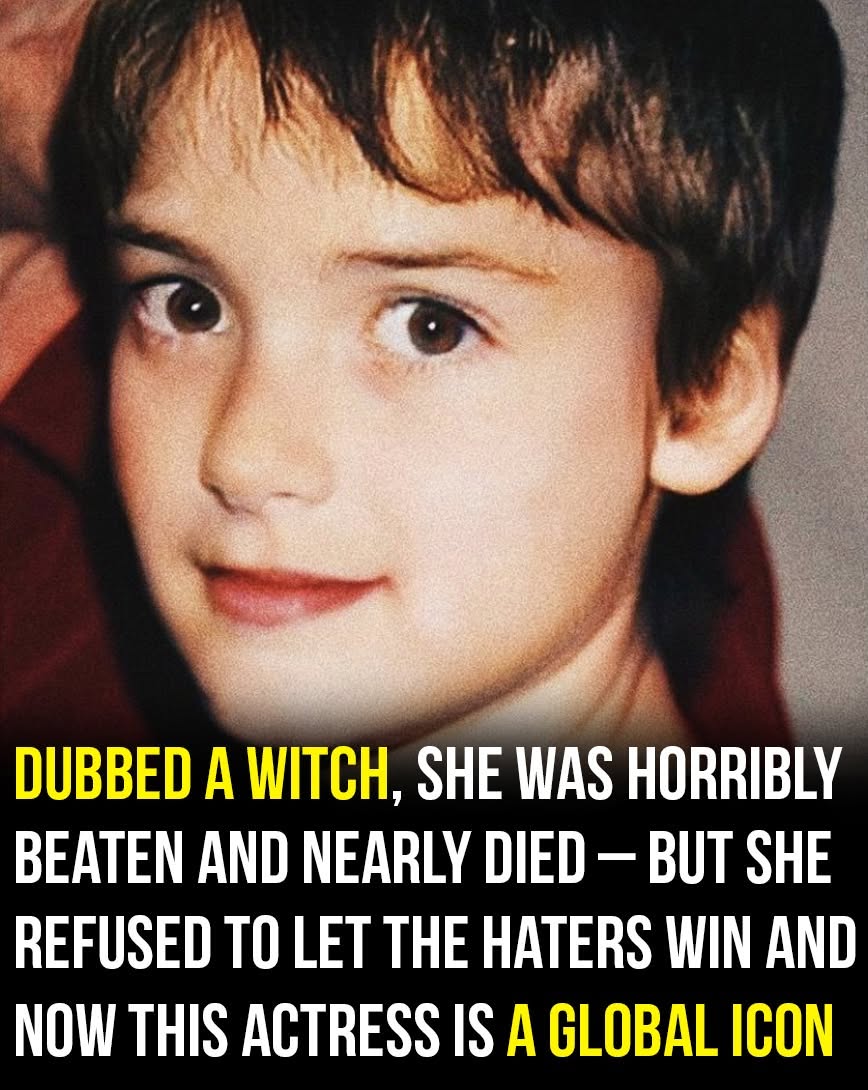
A 12-year-old girl lay lifeless on the beach. No pulse. No breath. Just cold ocean water and panic-screams tearing through the air. She should have died that day. Instead, she came back – only to walk into years of violence, bullying, and Hollywood cruelty. The star you thought you knew was built from brui… Continues…
Winona Ryder’s story is not a glossy Hollywood rise; it’s a survival narrative threaded through trauma, fear, and quiet resilience. From a childhood shadowed by Holocaust horrors and a near-fatal drowning, she carried aquaphobia, anxiety, and depression into an industry that often demanded her pain on cue. Bullied for how she looked, beaten for who others decided she was, she somehow transformed those wounds into performances that defined an era.
Her fame faded, scandals hit, and the industry moved on—until she refused to disappear. With Stranger Things, she didn’t just “come back”; she reclaimed the narrative, embodying a mother who will walk through hell for her child, mirroring the terror and tenacity she’d known all her life. Today, at 54, Winona stands as something far more powerful than a ’90s icon: proof that a life nearly cut short can still become a lifeline for others.
Everyday convenience is turning into a silent summer threat. A harmless water bottle, forgotten in your parked car, can transform into a ticking time bomb. Firefighters have watched vehicles, garages, even parts of homes go up in flames from this one overlooked habit. What sounds like a wild myth is actually basic phys… Continues…
Firefighters have repeatedly demonstrated how a clear, water-filled bottle can focus sunlight like a magnifying glass, burning straight through seat fabric in minutes. Inside a sealed, heating car, that tiny beam of light can become the spark that ignites foam, upholstery, or clutter tossed on the seat. Many victims never see it coming; they return to find windows blown out, interiors scorched, and dashboards melted beyond repair. Some only realize the cause when investigators quietly point to the half-melted bottle in the ashes.
Avoiding this nightmare is almost absurdly simple. Take your bottles with you every time you leave the car. If you need water on the go, use opaque or insulated containers that don’t act like lenses. Teach kids to grab their bottles as part of the “phone, keys, seatbelt” routine. One tiny change, repeated daily, can keep a freak accident from rewriting your entire summer.
That first glance can be terrifying.
You slice into your slow-cooked roast… and see thin, white, worm-like strands hiding in the meat. Your stomach drops. Your mind jumps straight to parasites, contamination, danger. But what if what you’re seeing isn’t what you think at all? Before you throw everything away in panic, here’s what those strands rea… Continues…
Those pale, stringy pieces that appear in slow-cooked beef are almost always just normal parts of the meat itself. Beef roasts are full of collagen-rich connective tissue that holds the muscle fibers together. When exposed to low, slow heat, that collagen breaks down, softens, and can show up as white, thread-like strands or gelatinous bits between the fibers. It may look unsettling, but in a properly cooked roast, it’s simply a sign that the tough tissue has melted into tenderness and flavor.
True parasites in beef are exceptionally rare in countries with modern inspection systems, and they cannot survive recommended cooking temperatures. Connective tissue will feel soft, slick, and easy to pull apart, while parasites would appear as distinct, firm, uniform structures. If your beef smells normal, was stored safely, and reached a safe internal temperature, those “worms” are almost certainly harmless collagen—nothing more than the science of slow cooking on your plate.
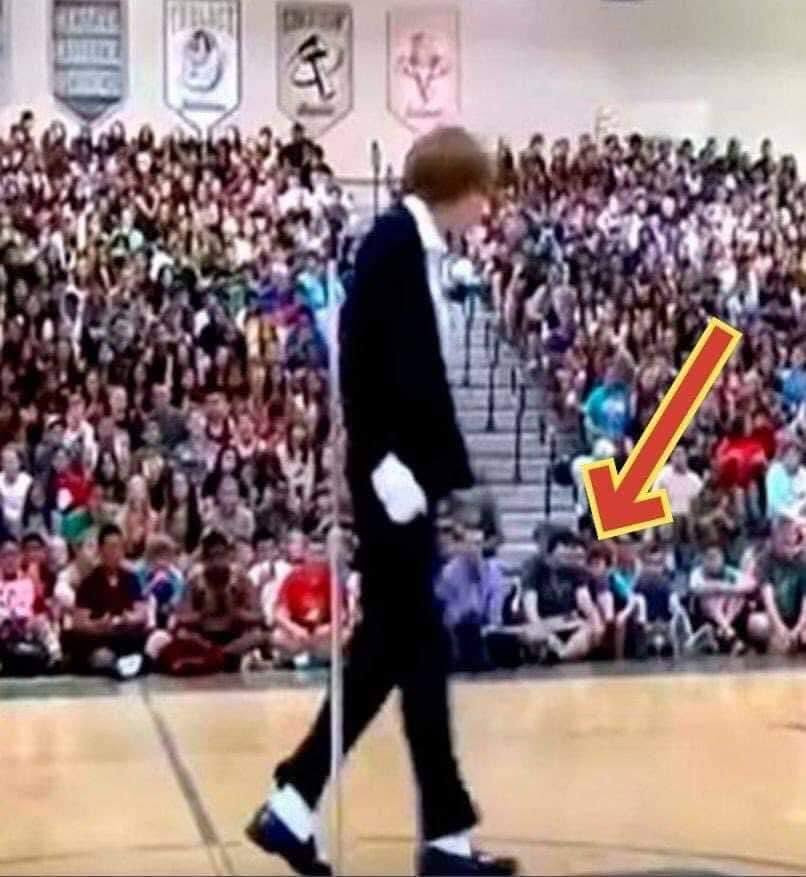
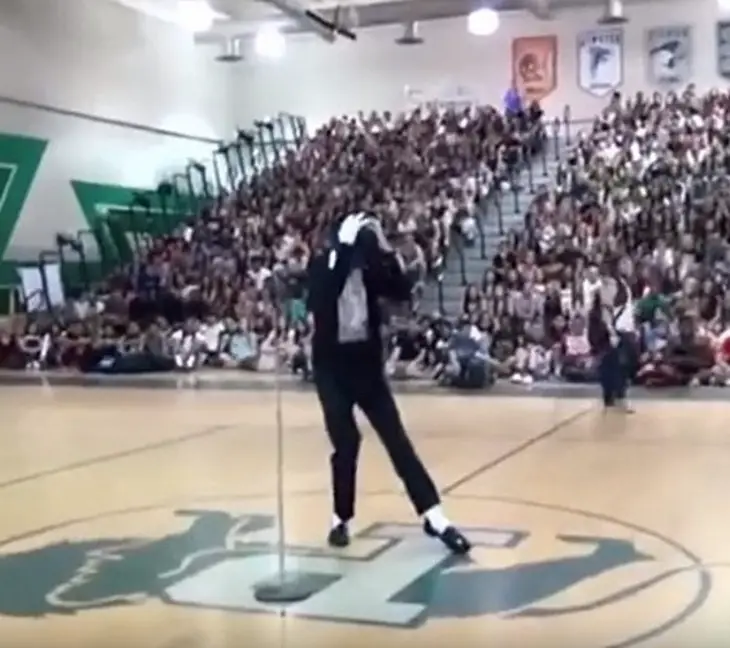
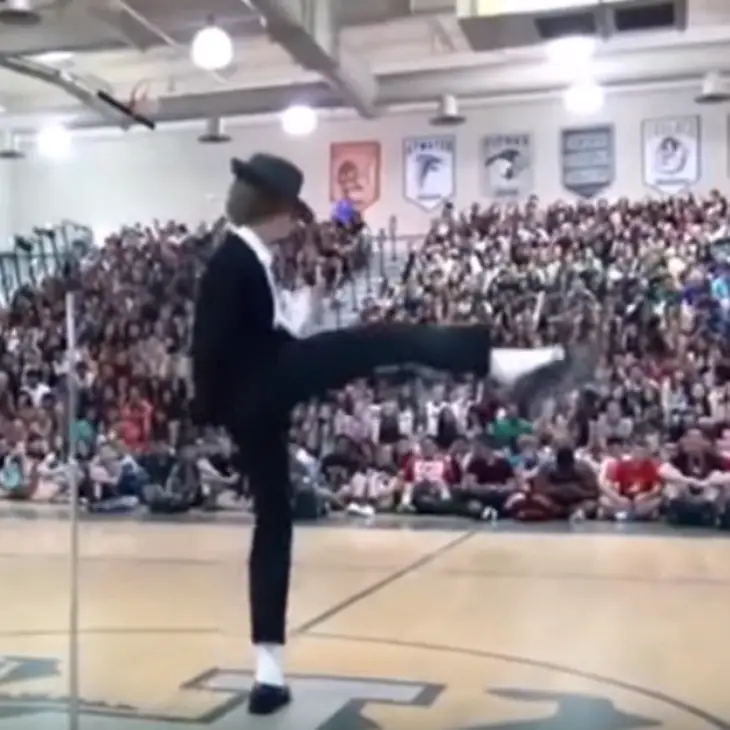
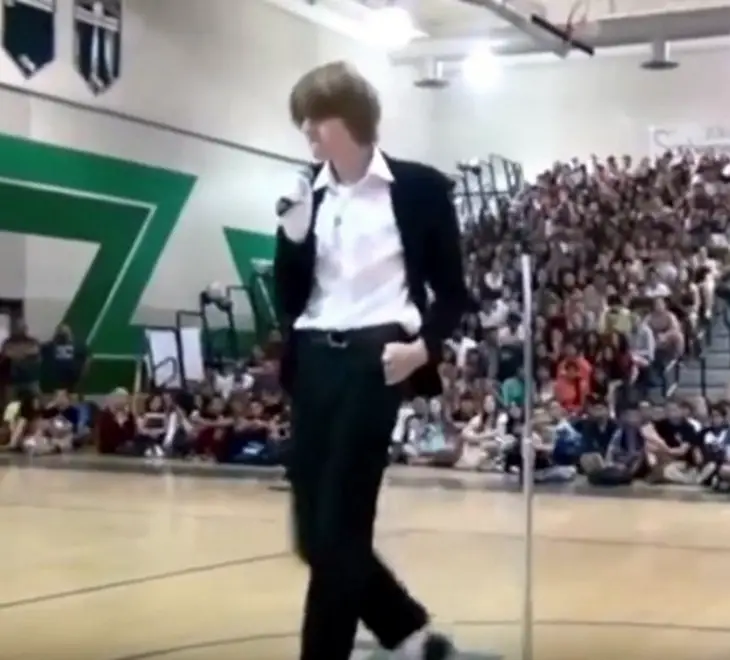
any students step onto the stage during high school talent shows, eager to showcase their talents and, perhaps, earn a bit of recognition among their peers. For some, it’s just a fun way to express themselves, to share a hidden talent, or to break the ice in front of a crowd. For others, it’s a chance to truly stand out and gain notoriety, even if just for a moment. There’s an undeniable thrill in performing in front of an entire school—standing there, nerves fluttering, trying to hold it together—knowing that everyone is watching, judging, maybe even applauding. It’s a nerve-racking, exciting experience, especially for the students who aren’t yet comfortable on stage. But every so often, someone manages to turn that moment into something unforgettable.That was exactly the case with a young boy named Brett Nichols. During a high school talent show, Brett took everyone by surprise by dancing to none other than Michael Jackson’s legendary track, “Billy Jean.” From the moment his music started, the entire auditorium was captivated. It’s astonishing how accurately a teenager can imitate such a dance icon. Brett’s moves—those signature spins, moonwalks, and footwork—seemed to hover just inches above the ground, as if gravity itself had momentarily ceased to exist. It was as if the spirit of “The King of Pop” had descended onto that school stage and was guiding this talented teen.
The audience’s reaction was electric. As Brett made his entrance—dressed in a simple yet striking black suit, topped with a fedora, a crisp white shirt, and iconic white socks—the crowd erupted into applause. And as the first beats of “Billy Jean” filled the room, Brett launched into his routine with such ease that it looked like he’d been practicing for years. His every move was perfectly timed, fluid, and sharp, like a seasoned professional. The choreography was flawless, and he executed the moves with a confidence that made it seem effortless, even surreal. It looked like he was floating—almost flying—across the stage, touching the ground only to spring back into the air. The crowd couldn’t stop cheering, witnessing a performance that could easily have been mistaken for a tribute act, yet felt fresh and entirely his own.
Brett’s mastery of the dance wasn’t just impressive—it was jaw-dropping. Many of those watching couldn’t help but compare him to Michael Jackson himself. It’s incredible how a young teen, just stepping into adolescence, can mimic the legendary moves with such accuracy. To master the moonwalk, the spins, the complex footwork? Those require not only talent but audacity—courage to perform with such confidence even in front of hundreds of strangers. Brett had both in spades.
The clip of his performance quickly went viral online, and viewers from around the world couldn’t get enough. The comments poured in—people calling him the “little MJ,” marveling at how well he captured the King’s style. “It’s not every day you see a teenager pull off the moonwalk like that,” someone remarked. “This kid has real talent—I’d watch him perform any day.” The footage was shared across social media, on YouTube, TikTok, and countless fan pages, before people even realized it was a high school talent show performance. It felt like a tribute not just to Michael Jackson but to every young person daring to dream big and execute with such fearless dedication.
Following that incredible display, Brett didn’t just rest on his laurels. His talent caught the attention of media outlets, and he was invited to perform on The View on NBC, as well as on CNN and ABC News. Soon, the promising young dancer was touring with Michael Jackson tribute groups, bringing his star power to bigger stages and bigger audiences. The journey from that school stage to national recognition was swift, and rightly so.
It’s a testament to how a single performance—bold, courageous, and fueled by passion—can resonate far beyond the original audience. Watching Brett dance is more than just a showcase of skill; it’s a reminder that the influence of great artists like Michael Jackson still lingers, inspiring young talents to carry their legacy forward. The performance below is guaranteed to leave you in awe—too incredible to miss. The level of dance mastery required is extraordinary, and when performed with such heart and dedication, it becomes genuinely unforgettable.
You will undoubtedly be in wonder after watching this young boy’s astounding performance in the video below. Such maneuvers demand extraordinary dancing ability to execute.
A short classroom video recently captured global attention—not because of production quality or editing, but because of a teacher’s genuine enthusiasm and care for her students.
In the clip, she delivered her lesson with energy that immediately engaged the class. Instead of simply presenting information, she turned the material into an interactive experience that encouraged curiosity and participation.
The video was shared online by a student, and within days it spread widely. Viewers from around the world responded with recognition, many recalling teachers who had left a lasting impact on their lives.
People noted that the most memorable educators are not always those who make learning easiest or most entertaining, but those who make it meaningful and engaging.
Educators who viewed the clip emphasized that effective teaching is not just about transferring facts. It is about helping students connect with ideas and understand them in a deeper way.
The teacher later explained she was simply teaching in a natural way, not trying to gain attention. Her approach resonated because it reflected something many people value: authentic presence in the classroom.
The video sparked broader discussion about education and how students today face constant distractions. Many argued that the goal is not louder or flashier lessons, but meaningful engagement that encourages curiosity.
Ultimately, the moment reminded viewers that great teaching is measured not only by what students learn in the moment, but by how they are inspired to grow long after the lesson ends.
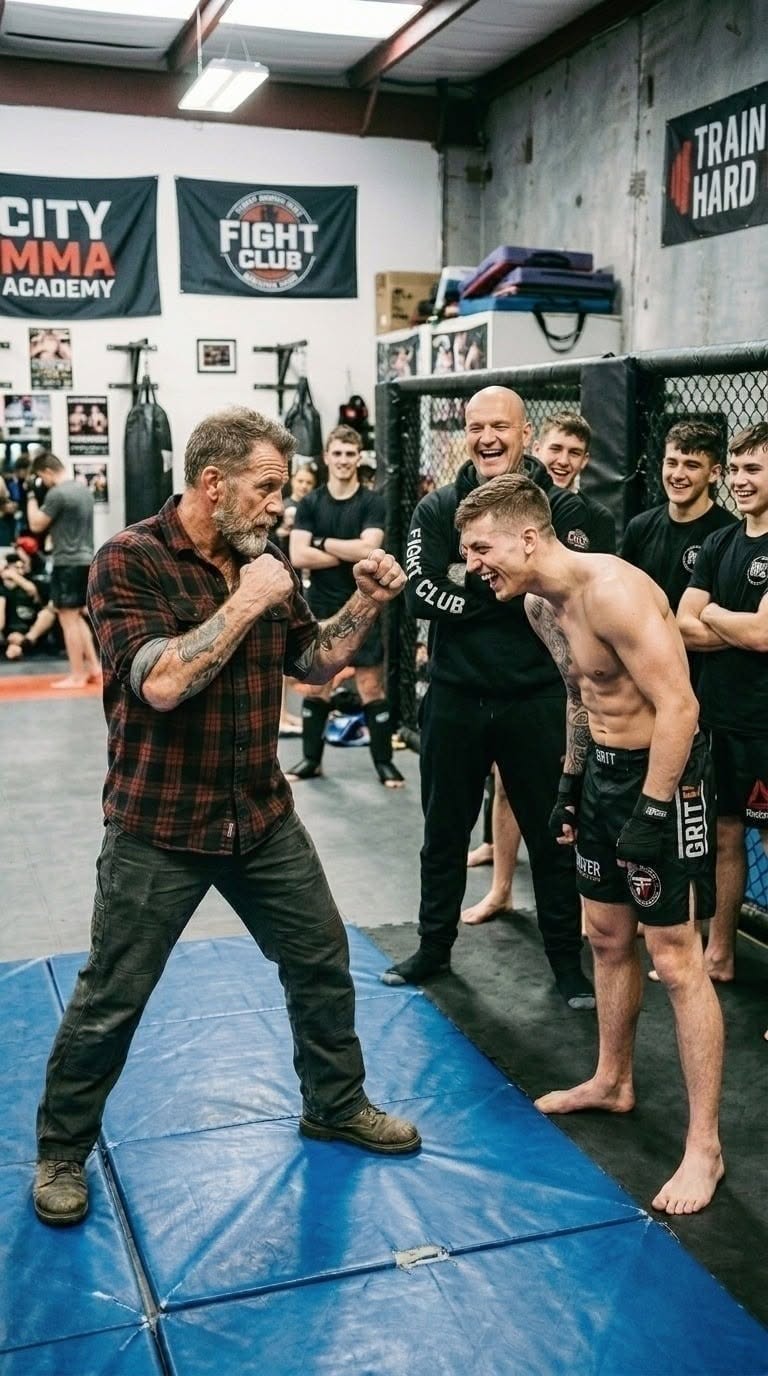
For fifteen years, he taught Marines how to break bones and end fights in seconds. But nothing prepared him for the sight of his daughter in a hospital bed. Bruised. Terrified. Lying to protect the monster who hurt her. When he walked into that gym, every man there thought he was just an old, desperate da… Continues…He stood in that gym surrounded by young fighters who thought violence was a sport and fear was a joke. Dustin’s smirk said everything—he believed he owned Marcy, believed threats and fists could keep her trapped. But when the “old man” calmly laid out who he really was and what he’d done for a living, the air shifted. These weren’t bar stories. They were warnings from someone who had trained men to walk into war and come back alive.
He could have broken Dustin in front of his friends. Instead, he did something far harder: he chose restraint. He weaponized documentation, law, and consequence. He made it clear that every mark on his daughter’s body was now evidence, every threat a future charge. Walking away wasn’t weakness; it was control. His real battle would be fought beside his daughter, helping her reclaim her safety, her voice, and her life.
Pat Sajak didn’t just retire. He disappeared from millions of living rooms at once. For over forty years, his steady voice and easy smile were background music to American life. Then the headlines started: health scares, emotional goodbyes, rumors of something darker. Fans demanded answers. Was this a quiet farewell… or the beginni… Continues…
For decades, Pat Sajak was more than a game-show host; he was a daily ritual. Families cooked dinner, folded laundry, and argued over puzzle answers with his voice in the background. When he announced his retirement in 2023 and finished his final season in 2024, it felt like a curtain falling on a shared era of television comfort. Viewers mourned not a scandal or tragedy, but the loss of a familiar presence who had quietly anchored their evenings.Away from the bright Wheel of Fortune lights, Sajak’s story has been calmer than the rumors suggest. After a successful recovery from emergency intestinal surgery in 2019, no major verified health crises have emerged. Instead, his legacy continues through the show itself, through Ryan Seacrest’s new tenure, and through his daughter Maggie’s warm tributes and behind-the-scenes glimpses. Pat Sajak steps into retirement with gratitude and dignity, leaving behind not drama, but a rare, enduring trust.
The next world war won’t start with tanks. It will begin with screens going dark, satellites falling silent, and economies strangled overnight. While most nations would be dragged into the chaos, a handful of countries might quietly survive. Hidden behind mountains, oceans, and centuries of neutrality, they’ve built a different kind of se…When imagining World War 3, we picture burning cities and advancing armies, but the most powerful weapons would likely be invisible: cyberattacks collapsing banking systems, orbital strikes blinding communications, and precision missiles hitting from half a world away. In such a conflict, nowhere would be truly safe—yet some countries are positioned to suffer less. Switzerland’s entrenched neutrality, protected by the Alps and reinforced with a vast network of fallout shelters, makes it an unappealing and difficult target. New Zealand’s distance from major power blocs, fertile land, and relative energy independence give it a rare strategic irrelevance that becomes a blessing in global war.Bhutan’s deliberate isolation, happiness-focused governance, and avoidance of military entanglements, alongside Costa Rica’s demilitarization and investment in social stability, show that peace can be a chosen national strategy. In a world spiraling toward confrontation, these nations quietly suggest an uncomfortable truth: survival may belong not to the strongest, but to the least threatening.