Blog

  • Your Flower Choice Uncovers Your Deepest Trait

    Your Flower Choice Uncovers Your Deepest Trait

    Flowers are more than just decorations—they can reveal aspects of your personality! Your favorite bloom might offer insight into your character. Pick one and see what it says about you!

    1. Rose Personality – You value deep connections and tradition, striving for excellence in all areas of life. Elegant yet strong, you inspire those around you.
      Key traits: Passionate, romantic, sophisticated, caring, self-sufficient, confident.
    2. Daffodil Personality – A blend of creativity and ambition, you manage personal and professional life with ease. Social yet independent, you bring warmth and originality wherever you go.
      Key traits: Artistic, hardworking, organized, cheerful, sensitive, multitasker.
    3. Sunflower Personality – Radiating warmth and positivity, you light up any space. Naturally social and optimistic, you let go of negativity and uplift others.
      Key traits: Approachable, bubbly, friendly, comforting, pleasant, positive.
    4. Lily Personality – Graceful and respected, you take commitments seriously while maintaining a playful side. Your kindness and resilience make you a natural problem-solver.
      Key traits: Compassionate, calming, strong-willed, authoritative, nurturing, diplomatic.
  • It is among the most powerful plants in the world

    It is among the most powerful plants in the world

    Oregano isn’t just a flavorful herb sprinkled on pizza or infused into Mediterranean dishes—it’s also a potent natural remedy that has stood the test of time. Known scientifically as Origanum vulgare, this aromatic plant is packed with compounds that support health and healing, most notably carvacrol and thymol. These bioactive substances are responsible for much of oregano’s medicinal strength, offering benefits that modern science is now beginning to validate.

    Ancient Medicine Meets Modern Science

    Oregano has deep roots in traditional medicine. Ancient Greek and Roman physicians prized it for its ability to fight infection and promote general wellness. It was often used to treat wounds, respiratory issues, and digestive discomfort. Today, researchers have confirmed that oregano possesses powerful antibacterial, antiviral, antifungal, and anti-inflammatory properties. These attributes make it more than just a kitchen staple—it’s a serious player in the world of natural health remedies.

    Gut and Immune Health

    One of the most exciting applications of oregano, particularly in oil form, is its ability to support digestive and immune health. Oregano oil helps maintain a healthy balance of gut bacteria by suppressing the growth of harmful microbes like Candida and certain strains of E. coli. This balancing effect can improve digestion, reduce bloating, and promote nutrient absorption. Additionally, oregano’s antimicrobial qualities may benefit the urinary tract by reducing mild irritation or infection risk.

    For the immune system, oregano offers a gentle but effective boost. It may help the body defend itself against common viral invaders, such as those responsible for colds, flu, or cold sores. While it’s not a cure-all, oregano can be a useful part of an immune-supportive regimen, especially during cold and flu season.

    Joint and Yeast Balance

    Emerging research also points to oregano’s potential in easing minor joint discomfort, thanks to its anti-inflammatory compounds. While not as strong as prescription anti-inflammatories, oregano oil may offer gentle relief for those experiencing occasional stiffness or discomfort due to overuse or minor inflammation.

    Another fascinating area is its impact on yeast balance in the body. Overgrowth of yeast, particularly Candida albicans, can lead to a range of issues including fatigue, brain fog, and skin problems. Oregano’s antifungal action helps maintain microbial balance, contributing to a healthier internal environment and potentially reducing yeast-related symptoms.

    Easy Ways to Use It

    Incorporating oregano into your daily life is simple and flexible. One of the most popular methods is brewing the dried leaves into a warm, aromatic tea. This infusion not only offers a calming ritual but also delivers oregano’s healing compounds directly to your system. For those seeking more concentrated benefits, oregano essential oil is a powerful option—but it must be used with care. Because it’s highly potent, it should always be diluted with a carrier oil like coconut or olive oil, especially for topical use or internal consumption. Ideally, consult a healthcare provider before using oregano oil in high doses or over long periods.

    Topically, oregano oil can be applied to the skin (diluted) to help with minor irritations or fungal conditions such as athlete’s foot. Just a few drops in a carrier oil can create a natural remedy for skin support, although a patch test is always recommended to check for sensitivity.

    More Than a Kitchen Staple

    Oregano’s story is one of flavor and function. While it adds depth and character to sauces, marinades, and stews, its value goes far beyond the culinary. As a time-tested herbal remedy with a growing body of scientific support, oregano is earning its place in modern wellness routines. Whether you’re brewing it as tea, using it to soothe your skin, or adding it to your meals for a nutrient boost, oregano offers a safe and accessible way to support your body naturally.

    Harness its benefits wisely, and you’ll discover that oregano truly is more than just a spice—it’s a powerful plant ally in your path to better health.

  • The Quiet Lessons Life Leaves Behind..

    The Quiet Lessons Life Leaves Behind..

    Grief does not end.
    It lingers in bank accounts, in bracelets, in strangers’ warnings and dogs that remember the way home. A family protects a dead child’s college fund like a living heartbeat. A stranger in a dark theater shatters a charming lie. A dog carries a forgotten past on a ribbon. A hardened mother-in-law hesita… Continues…Love often survives not in grand gestures, but in the fragile choices people make when no one is watching. Robert’s parents knew the money was no longer for tuition; it had become the last place his future still lived. Protecting that fund was their way of saying his dreams still mattered, even if he was no longer here to chase them. In their refusal, they were not clinging to money, but to meaning.

    The same quiet protection runs through the stranger who risked awkwardness to warn about a deceptive date, and through the dog who led a man back to a forgotten piece of his own heart. It trembles in the small shift of a mother-in-law who, instead of an apology, offers the first sign she is willing to change. These moments do not erase pain or history. They simply light a path through it, reminding us that even in loss, we are still being led toward ourselves.

  • Understanding the Latest Updates on COVID-19 Vaccination Research-

    Understanding the Latest Updates on COVID-19 Vaccination Research-

    Researchers at Stanford Medicine have identified a possible biological explanation for why a small number of people develop myocarditis after mRNA COVID-19 vaccination.

    Although this reaction remains rare, scientists continue to study it closely to better understand individual immune responses. Health authorities emphasize that mRNA vaccines are safe and effective for the vast majority of people.

    In many cases, myocarditis linked to vaccination has been mild to moderate, with most patients recovering fully. Studies also show that COVID-19 infection itself can carry a higher risk of heart inflammation.

    The research focused on immune system differences between individuals who developed myocarditis and those who did not after vaccination.

    Two immune signaling molecules—CXCL10 and interferon-gamma—were identified as potential contributors to inflammation in rare cases.

    Researchers observed that certain immune cells produced elevated CXCL10, which then interacted with T cells to increase interferon-gamma activity, amplifying inflammatory signals.

    Laboratory and animal studies showed that blocking these pathways reduced inflammation while preserving broader immune function, suggesting a possible direction for future treatments.

    Scientists stress that these findings are part of ongoing research aimed at improving vaccine safety and understanding rare side effects, not questioning the overall benefits of vaccination.

  • The Mysterious Tool Hidden in a Toolbox Was Simpler Than It Seemed

    The Mysterious Tool Hidden in a Toolbox Was Simpler Than It Seemed

    Finding it felt like uncovering a secret someone meant to hide. One small, heavy piece of metal buried in a toolbox, staring back like a question. No label. No manual. No name. Just a shape that didn’t fit anything familiar. The more it was turned over in hand, the more it seemed like a relic from a forgotten cra… Continues…

    It sat there, stubborn and silent, as if daring anyone to remember what it once was. Its weight, the deliberate curves, the absence of obvious moving parts all suggested a clear purpose that time had erased. In that uncertainty, the imagination rushed to fill the gap: a lost mechanic’s aid, a fragment of industrial history, a tool from a trade that no longer exists.

    Yet its real power wasn’t in what it did, but in what it awakened. Separated from context, a simple object became a doorway into another era, reminding us how quickly everyday things can slip from memory. Whether it proves to be a mundane clamp, a jig, or a bracket hardly matters. What lingers is the quiet drama of rediscovery—the sense that even the most ordinary tool can hold a life’s worth of work, now distilled into a single unanswered question.

  • The Kitchen Trick That Keeps Bananas Fresh 10 Days Longer

    The Kitchen Trick That Keeps Bananas Fresh 10 Days Longer

    Bananas aren’t “going bad too fast” by accident. Something in your own kitchen is quietly sabotaging them. It’s invisible, it spreads, and it turns perfect yellow fruit into brown mush days before you’re ready. Most people never see it, but it’s there—around your apples, your avocados, your pears. Every time you fill that pretty fruit bow… Continues…

    Most of the time, the problem isn’t the bananas at all—it’s where and how they’re kept. Bananas are extremely sensitive to ethylene, a natural ripening gas that many fruits release. When they sit beside apples, avocados, or pears, they’re overwhelmed by extra ethylene, ripening far faster than you planned. That innocent-looking mixed fruit bowl can cut their good days in half.

    You can slow everything down with a few simple changes. Give bananas their own space on the counter, away from other fruit. Keep them together in a bunch, and wrap the stems tightly with plastic wrap or foil to trap much of the ethylene released there. When they finally reach the perfect yellow, move them to the fridge; the peel may darken, but the fruit inside will stay sweet, firm, and ready to eat for days longer.

  • Robert Wagner Breaks His Silence: Reflecting on Natalie Wood and Hollywood’s Enduring Mystery

    Robert Wagner Breaks His Silence: Reflecting on Natalie Wood and Hollywood’s Enduring Mystery

    For four decades, the question has haunted Hollywood: what really happened the night Natalie Wood died? Whispers. Rumors. Accusations. A yacht drifting in the dark. A legend gone too soon. Now, at last, Robert Wagner speaks from the shadows of his past, opening wounds, challenging memories, and forcing us to face the uncomfor… Continues…

    He speaks not as the untouchable matinee idol, but as an old man who lost the love of his life in the most public, painful way imaginable. Wagner’s recollections are marked less by scandal than by sorrow: the sound of the ocean, the sting of harsh words, the silence that followed. He admits to arguments, to pride, to human frailty, without pretending that memory can perfectly reconstruct the chaos of that night.

    What emerges is not a neat solution to a long‑debated mystery, but a portrait of two people caught between fame and vulnerability. Wagner’s voice trembles with regret and gratitude as he describes a love that survived scrutiny but not fate. In the end, his account offers no final verdict, only a plea: to remember Natalie Wood not as a headline, but as a brilliant, complicated woman whose absence still echoes.

  • Authorities Investigate Suspicious Motel Incident Involving Elderly Woman

    Authorities Investigate Suspicious Motel Incident Involving Elderly Woman

    She was alone when they found her, and nothing about the scene made sense. An elderly woman, unresponsive in a cheap motel room, a life ended in silence while strangers rattled the door. Rumors of an argument. A missing bank card. Confused witnesses. Shifting stories. As detectives rewind the final hours of her life, the town holds its brea… Continues…

    By the time police stepped into that small motel room, the woman’s story could no longer be told by the person who lived it. Investigators now move carefully through fragments: a worried housekeeper, a door that wouldn’t answer, a hurried 911 call. They trace every movement captured on grainy cameras, every word offered by shaken staff and uneasy guests, trying to separate truth from rumor.

    What began as a welfare check has become a community’s quiet reckoning with how easily a life can vanish behind a closed door. Officers insist on patience, resisting the pull of speculation as they wait for medical findings and forensic results to speak. Somewhere in phone records, keycard logs, and blurred hallway footage lies the missing context to her final hours—and the answer to whether this was misfortune, neglect, or something far darker.

  • Your Subconscious Is Betraying You: The First Animal You See Reveals Your Darkest Personality Flaw

    Your Subconscious Is Betraying You: The First Animal You See Reveals Your Darkest Personality Flaw

    Have you ever wondered why you repeat certain patterns in life, struggle with relationships, or feel controlled by hidden traits you can’t quite name? Viral “psychological illusion” tests claim these patterns can be revealed in seconds through simple visual choices.

    One of the most popular formats is the “first animal you see” image test. You’re shown a complex illustration and asked to identify the first animal that stands out. The idea is that your brain reveals subconscious tendencies through instinctive perception.

    These tests are often compared loosely to Rorschach-style exercises. When faced with ambiguous images, the human brain naturally imposes order on chaos, prioritizing certain shapes and details based on attention, memory, and bias.

    Different interpretations are said to reflect different personality traits. For example, seeing a lion may be linked to pride or dominance, while a rabbit is associated with sensitivity or anxiety. A bird can symbolize independence, a snake mistrust, and an elephant strong memory or attachment to the past.

    However, these interpretations are not scientifically validated. They are typically built on symbolic associations rather than clinical psychology and should be understood as entertainment rather than diagnostic tools.

    Much of their popularity can be explained by the Barnum Effect, where people relate to vague or general statements because they feel personally accurate. This is why many quiz results seem meaningful even when they are broadly applicable to almost anyone.

    Despite this, such tests can still encourage self-reflection. They may prompt people to consider their habits, emotions, or reactions more thoughtfully, even if the underlying mechanism is not scientifically rigorous.

    Ultimately, the value of these viral illusions lies not in accuracy but in perspective. They highlight how differently people perceive the same image and remind us that self-understanding often comes from reflection, not quick answers.

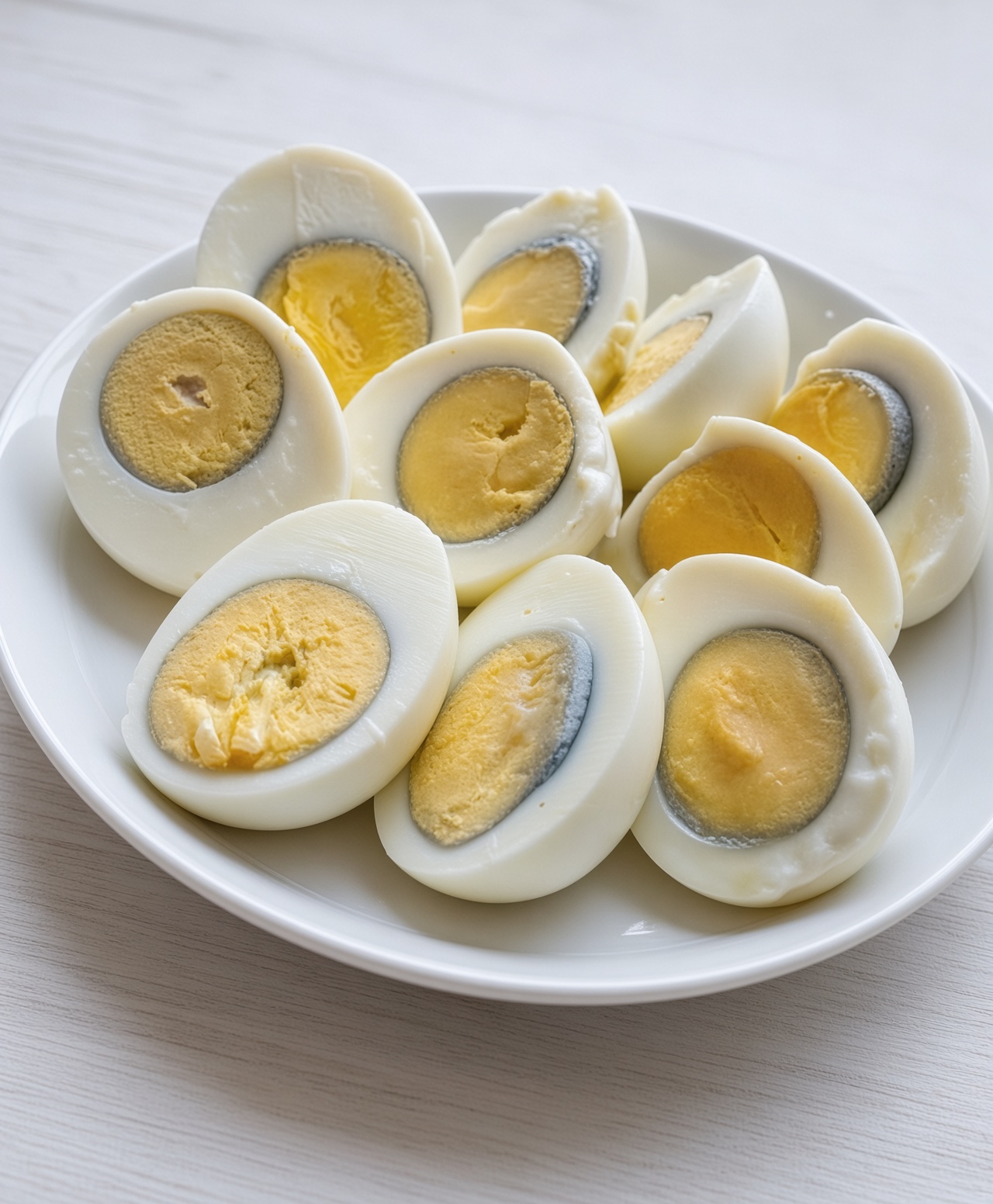
  • Doctors reveal that eating boiled eggs in the morning causes …

    Doctors reveal that eating boiled eggs in the morning causes …

    Your bones are quietly thinning while you feel “perfectly fine.” No alarms, no sharp warnings — just a slow, silent loss of strength. One day it’s only a small misstep, a minor fall, a sudden crack. Then surgery, a cane, or a bed. You could stop this today — with eggs, greens, fish, and sixt… Continues…

    We build our future mobility long before we feel the first twinge in our back or knees. Bones peak in density in our 20s and early 30s, then gradually weaken, especially in women after menopause. That is why everyday choices matter: brisk walking, climbing stairs, light weight training, and sensible sunlight exposure help maintain bone strength and balance, lowering the risk of devastating falls later in life. Maintaining a healthy weight, limiting alcohol, and avoiding smoking further protect bone density over decades. 

    Nutrition is the second pillar. Eggs support muscles that stabilize joints. Leafy greens add vitamin K, magnesium, and some calcium. Milk and dairy provide highly absorbable calcium and protein, while nuts and seeds bring magnesium and healthy fats. Vitamin C–rich fruits fuel collagen, the flexible framework of bone. Fatty fish supply vitamin D and omega‑3s, ensuring calcium is actually absorbed. You may never “hear” your bones ask for help, but caring for them now is what keeps you walking confidently, upright, and independent in old age.