
Blog

  • Why Do So Many People Put Plastic Bottles in the Washer The Answer May Surprise You

    Why Do So Many People Put Plastic Bottles in the Washer The Answer May Surprise You

    An ordinary plastic bottle may seem like something that belongs in the recycling bin, but some people have discovered another possible use for clean, empty bottles during laundry. The simple trick involves placing a lightweight bottle inside the washing machine with a load of clothes. It has attracted attention because it costs almost nothing and requires no special laundry products.

    The method is simple. Place a clean, empty plastic bottle inside the washing machine with the clothes and make sure the cap is tightly closed. As the drum rotates, the bottle moves among the garments. Supporters believe this movement may help prevent clothing from becoming tightly twisted or tangled during the wash.

    Some people also claim the technique may help reduce wrinkles. Clothes that become tightly bundled together can sometimes emerge from the machine heavily creased. If garments move more freely, there may be less bunching. However, results can vary depending on the machine, load size, and fabrics being washed.

    It is important not to expect miracles. There is limited scientific evidence showing that an ordinary plastic bottle consistently makes clothes cleaner, softer, or less wrinkled. Many laundry hacks are based on personal experiences rather than controlled testing, so something that works for one household may not work in another.

    Anyone trying the trick should use a clean, empty bottle that is in good condition. The cap must be secure, and the bottle should contain no water, detergent, or chemicals. Never use a damaged bottle with cracks or sharp edges, since it could break during the wash cycle.

    The trick is better suited to ordinary, durable clothing than delicate fabrics. Silk, lace, fine wool, and other sensitive materials should always be washed according to their care labels. Washing-machine manufacturer instructions should also take priority over any household experiment.

    Simple laundry habits remain more dependable. Avoid overloading the washer so clothes have enough room to move, sort laundry appropriately, use the recommended amount of detergent, and select suitable washing settings. Regularly cleaning the detergent drawer, checking the filter when appropriate, and allowing moisture to escape can also help maintain the machine.

    Ultimately, the plastic bottle method is an inexpensive experiment rather than a guaranteed laundry solution. If you try it, start with a small, ordinary load and monitor the machine. Stop immediately if the washer becomes unusually noisy or the bottle becomes damaged. Good laundry practices remain the safest and most reliable approach.
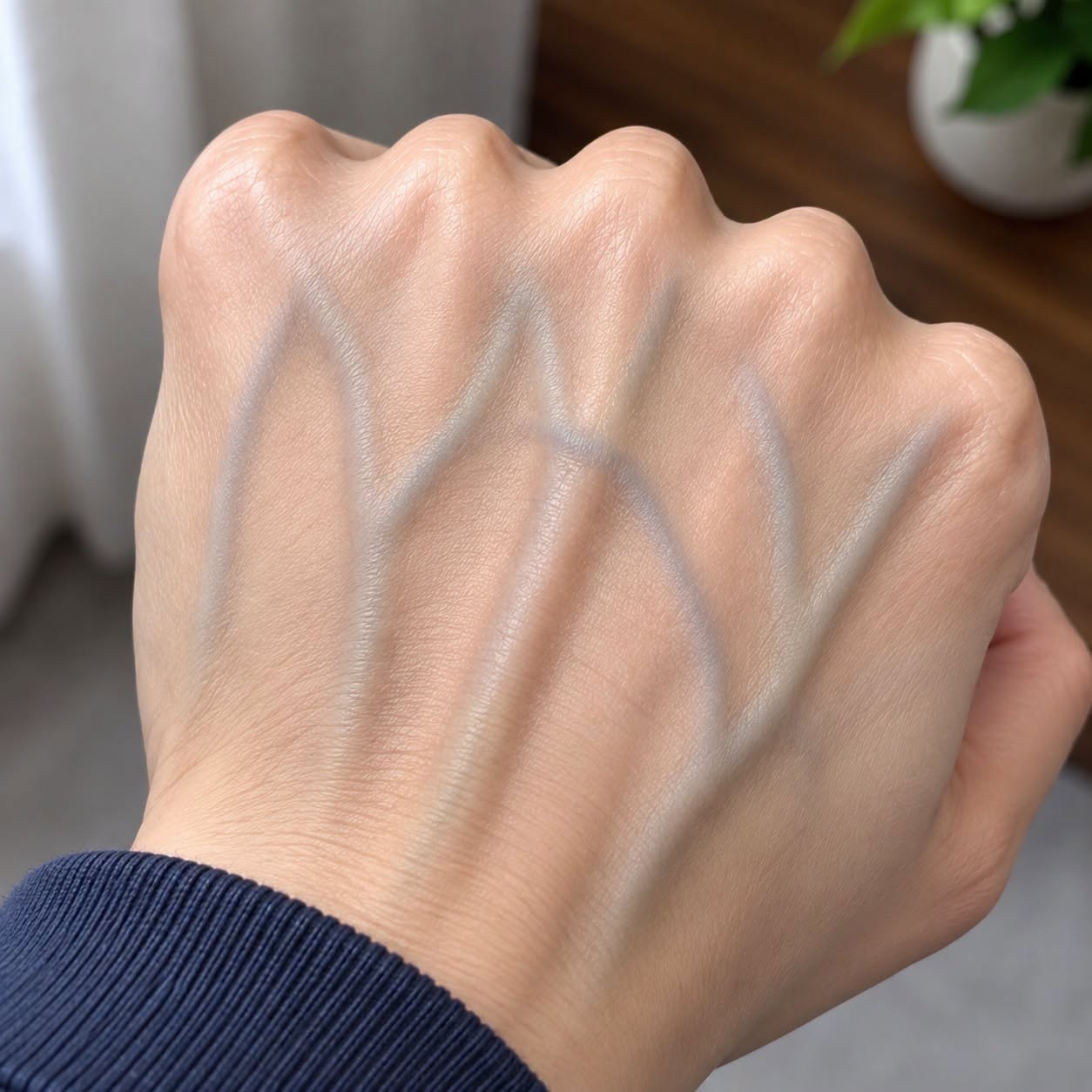

  • If your veins are visible in your hand, it is a signal

    If your veins are visible in your hand, it is a signal

    Visible veins can sometimes look alarming, especially when they suddenly become darker, raised, or more noticeable. But in many cases, prominent veins are completely normal and do not mean something is seriously wrong. Aging, regular exercise, and low body fat can all make veins easier to see because the skin becomes thinner or muscles become more defined.

    Many athletes and naturally lean people have highly visible veins, particularly on their arms, hands, legs, and feet. If the veins have always looked this way and there is no pain, swelling, tenderness, or other unusual symptoms, they are often simply a normal feature of the body.

    However, a sudden change deserves more attention. Veins that unexpectedly become swollen, twisted, painful, or tender may indicate an underlying circulation problem. New heaviness or swelling in the legs can also be a warning sign that blood is not flowing normally through the veins.

    One possible cause is chronic venous insufficiency, a condition in which blood has difficulty returning from the legs toward the heart. This can contribute to varicose veins, aching, swelling, and a feeling of heaviness, particularly after standing for long periods.

    A more urgent concern is deep vein thrombosis, or DVT, which occurs when a blood clot forms in a deep vein. It can cause pain, warmth, swelling, or changes in skin color, although symptoms can vary and may sometimes be subtle.

    Prominent veins can also occur when pressure builds up within the body’s venous system. In some cases of congestive heart failure, increased pressure can cause veins in areas such as the neck, arms, or legs to become more noticeable.

    That does not mean every visible vein is evidence of heart failure or a blood clot. The surrounding symptoms and how quickly the change occurred are much more important than appearance alone.

    If your veins suddenly change without an obvious explanation, especially when accompanied by pain, swelling, warmth, or shortness of breath, it is important to seek medical attention promptly. Visible veins are often harmless, but an unexplained change should never simply be ignored.

  • What to Do If You Start Seeing Eye Floaters…See more’

    What to Do If You Start Seeing Eye Floaters…See more’

    Eye floaters are a common visual occurrence that many people notice but often misunderstand. They appear as tiny spots, threads, or cobweb-like shapes drifting across your vision, especially against bright backgrounds like a clear sky or white wall. These shapes seem to move when your eyes move, making them difficult to focus on.

    According to Healthline, floaters form when bits of collagen—tiny protein fibers—clump together in the vitreous, the gel-like substance inside the eye. As we age, this gel shrinks, causing the fibers to cast small shadows on the retina, which appear as floaters.

    Some people also experience flashes of light. These occur when the vitreous gel pulls on the retina, creating brief bursts of light in the field of vision. While usually harmless, sudden or frequent flashes should not be ignored.

    Floaters and flashes are most common in adults aged 50 to 75, people who are nearsighted, or those who have undergone cataract surgery. Although they are typically benign, new or worsening symptoms may signal more serious eye conditions.

    If floaters or flashes are accompanied by vision loss, they could indicate retinal tears, detachment, inflammation (uveitis), or even bleeding in the eye. Prompt evaluation by an eye doctor is crucial in these cases.

    According to Vision Center, diagnosis involves a dilated eye exam, where eye drops widen the pupils so a doctor can check for floaters or retinal issues. This helps determine whether treatment is needed.

    Treatment options include vitrectomy, a surgical procedure to remove floaters, and laser therapy, which breaks them down. However, laser treatment remains experimental and is not always recommended.

    The best prevention is regular eye check-ups and awareness of symptoms that may suggest underlying eye problems. Healthy habits help protect your vision for years to come.

  • A Sunday Announcement By The Fireplace And A Building My Grandfather Made Certain Would Work While I Slept

    A Sunday Announcement By The Fireplace And A Building My Grandfather Made Certain Would Work While I Slept

    The twenty-three messages were the family closing ranks, and every one assumed the same false thing: my father managed a trust that owned the Harlowe building. He did not. My grandfather had created that trust for his other properties, but he transferred Harlowe directly to me by recorded deed, four years before he died.

    He had made me promise to tell no one. In his lawyer’s office, he told me he had watched my father spend thirty years deciding what everyone else was owed. He wanted one thing in the family to be beyond reassignment. “Real security,” he said, “is something that works for you while you sleep.” He meant it literally.

    Grayson did not wait until November. Three days later, he used a spare key my father had kept and walked into my apartment, already boxing my office as though it belonged to him. I called the police, showed the officer the recorded deed, and watched my brother get escorted out of a building he did not own.

    That was when the family group chat went silent. My father sued anyway, convinced the trust language gave him authority. His own lawyer told him it did not, but he filed regardless, because someone accustomed to managing everyone else rarely accepts discovering one thing he was never given to control.

    The hearing lasted months. The judge reviewed the recorded transfer, notarized deed, and my grandfather’s signed letter of intent before dismissing every claim. The final words were devastating: the property had belonged solely to me since before my father’s trust existed, and no family vote could change that.

    Grayson and Delphine had their baby that winter. I sent a gift. I did not offer them the apartment, and this time, they did not ask.

    My father and I did not speak for a year. Eventually, he wrote. Most of the letter concerned the trust, but a small part was about me. That part was honest, so I answered it.

    I still live at Harlowe. The office remains an office, and the crooked mailbox still bears our name. I leave it crooked because my grandfather never fixed it either. They saw my home as a family resource waiting to be redistributed. They never checked the paper. My grandfather did. He knew exactly what he was protecting—and from whom.

  • Beyond the Viral Headline, Essential Guide to Intimate Hygiene and Sensitive Skin Care

    Beyond the Viral Headline, Essential Guide to Intimate Hygiene and Sensitive Skin Care

    In the age of social media, sensational headlines and viral images often capture instant online attention. Yet beneath the clickbait lies an opportunity to address practical health topics that directly impact daily comfort—specifically, proper intimate hygiene and sensitive skin care.

    While skin care routines for the face and body are widely discussed, the unique needs of intimate skin are often overlooked or misunderstood. The skin in intimate areas is inherently unique, highly delicate, and exceptionally responsive to external friction, environmental changes, and hygiene habits. Understanding how to care for this sensitive barrier is key to preventing discomfort, reducing irritation, and maintaining overall personal wellness.

    The Biological Reality of Sensitive Skin

    Unlike the skin on your arms, legs, or face, intimate skin features a much thinner epidermal layer, making it significantly more permeable and vulnerable to physical and chemical stress. It operates within a delicate natural balance, maintaining a specific pH level and protective barrier designed to shield against discomfort.

    Modern lifestyles regularly expose this fragile area to stress. Daily factors that contribute to sensitivity include:

    • Extended Travel and Prolonged Sitting: Sitting for hours—whether during long flights, road trips, or desk jobs—creates a warm, humid environment with limited airflow.
    • Tight Clothing and Fabric Choice: Synthetic materials, tight jeans, and restrictive activewear trap moisture and create continuous friction against the skin.
    • Physical Activity and Sweat: Intense workouts generate sweat and heat, which, if left unmanaged, can lead to chafing and localized irritation.

    Recognizing these stress factors is the first step toward building a sensible, effective care routine that prioritizes skin integrity over unnecessary products.

    Core Principles of Gentle Intimate Hygiene

    When it comes to caring for sensitive skin, less is almost always more. Many common skin issues are not caused by a lack of hygiene, but rather by over-cleansing or using inappropriate, harsh products.

    1. Avoid Harsh Soaps and Fragrances

    Conventional body washes, bubble baths, and heavily scented soaps are engineered to strip oil and dirt, but they are often far too aggressive for delicate areas. These products can disrupt the natural protective barrier, leading to dryness, redness, and itching. Swapping perfumed soaps for plain warm water or mild, fragrance-free emollients specifically formulated for sensitive skin helps preserve moisture and balance.

    2. Practice Gentle Cleansing Techniques

    Aggressive scrubbing with loofahs, rough washcloths, or abrasive sponges causes micro-tears in delicate skin. Always use a gentle hand when washing. After cleansing, avoid rough towel-drying; instead, gently pat the area dry with a clean, soft cotton towel. Ensuring the skin is completely dry before getting dressed is critical, as excess moisture trapped in warm environments encourages irritation.

    3. Choose Breathable Fabrics

    Clothing choices play a massive role in skin comfort. Synthetic fabrics like polyester and nylon can trap heat and perspiration. Opting for loose-fitting garments and underwear made from natural, breathable fibers—such as 100% cotton—allows for proper air circulation and reduces friction throughout the day.

    Navigating Common Everyday Irritants

    Beyond basic hygiene, everyday routine habits can unintentionally trigger skin discomfort. Being mindful of these secondary factors makes a noticeable difference:

    • Laundry Detergents: Residue from strong laundry detergents, fabric softeners, and dryer sheets stays in clothing fibers. Switching to hypoallergenic, fragrance-free laundry products helps prevent contact sensitivity.
    • Shaving and Hair Removal: Techniques like shaving or waxing strip away the outer layer of skin alongside hair, leaving the area exposed and vulnerable to ingrown hairs or razor burn. Soothing the area with gentle, unperfumed moisturizers afterward is essential.
    • Post-Workout Care: Remaining in sweaty gym clothes or wet swimwear creates an ideal environment for chafing and imbalance. Changing into clean, dry clothing immediately after physical activity protects the skin barrier.

    By adopting a simple, balanced approach focused on minimal intervention, gentle cleansing, and breathable fabrics, you can protect your skin’s natural barrier and enjoy everyday comfort, no matter where your travels take you.

  • This Stunning Old House Sits Over a Peaceful Creek—and the View Is Simply Magical

    This Stunning Old House Sits Over a Peaceful Creek—and the View Is Simply Magical

    An old house surrounded by trees and resting beside a gently flowing creek creates a scene that feels almost frozen in time. The peaceful setting combines historic architecture with the beauty of nature.

    The large, light-colored home features a traditional design, a covered front porch, tall windows, and a distinctive cupola rising from the roof. These details give the property a charming and timeless appearance.

    The creek flows directly in front of the house, moving gently over smooth rocks. Instead of having a typical front yard, the property seems to meet the water, making the home appear naturally connected to its surroundings.

    Tall trees and thick greenery surround the creek and house, creating a sense of privacy. Their branches stretch overhead, forming a beautiful natural frame around the property and adding character to the peaceful landscape.

    One of the most noticeable features is the small tower on top of the house. The cupola, with its windows and pointed roof, gives the building a distinctive appearance that makes it easy to remember.

    The wide front porch adds even more traditional charm. It looks like the perfect place to sit, relax, and enjoy the peaceful view while listening to the gentle sound of the flowing creek.

    The combination of old-fashioned architecture and natural scenery makes the entire setting especially beautiful. The clear water, smooth stones, mature trees, and historic home create a calm atmosphere that feels welcoming and serene.

    It is easy to imagine how special it would be to live in such a home, surrounded by nature and history. “A picture is worth a thousand words” may be an old saying, but this beautiful scene truly gives those words meaning.

  • What Happened In The Weeks After I Turned Off My Phone, And How An Old Woman Learned To Live Alone

    What Happened In The Weeks After I Turned Off My Phone, And How An Old Woman Learned To Live Alone

    The narrator clarifies that they never actually foreclosed on the house. They allowed the foreclosure notice to remain for nine days before withdrawing it, largely because of Elliott, a fourteen-year-old boy who showed them unexpected kindness.

    On the fourth day, Elliott called from his school because his parents had taken away his phone. He did not ask the narrator for money or to return home. Instead, he simply asked whether they were warm—the first time in five years anyone in the household had asked something without wanting something in return.

    Moved by the question, the narrator converted the lien into a formal repayment agreement through their attorney. Maurice signed it with trembling hands, while Priscilla signed without looking at the narrator. The narrator then permanently moved into a one-bedroom apartment on Calloway Street.

    Maurice and Priscilla have never missed a payment. They now pay $1,100 each month for twenty-one years, meaning Priscilla will continue paying until she is sixty-three. The narrator accepts that she may resent the payments but has made peace with that reality.

    Elliott, now seventeen, visits every Thursday. He does homework at the narrator’s table, eats from the refrigerator, and recently asked what Everett was like. The narrator spent two hours telling him about Everett, grateful that Elliott genuinely wanted to hear the stories.

    Priscilla visited once in February but could not manage an apology. Instead, she mentioned that the tea was still in the cupboard at the old house. The narrator understood this strange comment as the closest thing to an apology Priscilla could offer.

    For five years, the narrator had been told they were being given a roof, despite personally paying for the roof, utilities, heating, and food. They eventually realized that their family had treated their generosity as something they could quietly exploit.

    At seventy-five, the narrator finally understood that nobody could make them invisible unless they kept agreeing to it. By refusing to sign away their rights any longer, they reclaimed their independence and stopped allowing others to define their worth.

  • What Happened In The Weeks After I Turned Off My Phone, And How An Old Woman Learned To Live Alone

    What Happened In The Weeks After I Turned Off My Phone, And How An Old Woman Learned To Live Alone

    Maurice and Priscilla have never missed a payment. They now pay $1,100 each month for twenty-one years, meaning Priscilla will continue paying until she is sixty-three. The narrator accepts that she may resent the payments but has made peace with that reality.

    Elliott, now seventeen, visits every Thursday. He does homework at the narrator’s table, eats from the refrigerator, and recently asked what Everett was like. The narrator spent two hours telling him about Everett, grateful that Elliott genuinely wanted to hear the stories.

    Priscilla visited once in February but could not manage an apology. Instead, she mentioned that the tea was still in the cupboard at the old house. The narrator understood this strange comment as the closest thing to an apology Priscilla could offer.

    For five years, the narrator had been told they were being given a roof, despite personally paying for the roof, utilities, heating, and food. They eventually realized that their family had treated their generosity as something they could quietly exploit.

    At seventy-five, the narrator finally understood that nobody could make them invisible unless they kept agreeing to it. By refusing to sign away their rights any longer, they reclaimed their independence and stopped allowing others to define their worth.

  • What Does ‘SSSS’ on Your Boarding Pass Mean? (And How to Stay Calm When You See It)

    What Does ‘SSSS’ on Your Boarding Pass Mean? (And How to Stay Calm When You See It)

    Printed your boarding pass.

    Grabbed your coffee.

    And then you see it—right there at the bottom of the barcode:

    SSSS

    Four little letters that feel like a punch to the gut.

    No warning.

    No explanation.

    Just… extra screening.

    Suddenly, your stress level skyrockets.

    “What did I do?”

    “Am I on a watchlist?”

    “Will I miss my flight?”

    Take a breath.

    Let’s demystify SSSS—what it really means, why it happens, and how to get through security with calm (and maybe even a little grace).

    What “SSSS” Stands For

    SSSS = Secondary Security Screening Selection

    It’s not a personal accusation.

    It’s not proof you’re suspicious.

    It’s not even about you, necessarily.

    It’s a random or algorithm-driven flag used by the TSA (Transportation Security Administration) as part of the Secure Flight program—a system designed to:

    Enhance aviation security

    Identify potential threats before boarding

    Match passenger data against government watchlists and trusted traveler databases

    If your name matches certain patterns—or is randomly selected—you get the SSSS tag, which means:

    You’ll undergo additional screening at the checkpoint.

    What Happens During SSSS Screening?

    When you see “SSSS” on your boarding pass, here’s what to expect:

    Extra Pat-Down or Swabbing

    TSA agents will swab your hands, luggage, and sometimes clothing for explosive residue.

    You may be patted down more thoroughly than usual.

    Baggage Inspection

    Your carry-on will be hand-checked—even if it went through the X-ray machine.

    Agents may ask you to open compartments or remove electronics.

    More Questions

    Simple ones like: “Is this all your luggage?” or “Have you packed this bag yourself?”

    Not an interrogation—just verification.

    Longer Wait Time

    Add 5–15 minutes to your security process.

    Best to arrive extra early (at least 2 hours before domestic flights).

    Good news: This screening happens before the regular checkpoint—so once you’re through, you can proceed normally.

    Why Did I Get Flagged? (Spoiler: It’s Usually Random)

    The truth?

    You likely did nothing wrong.

    Common reasons for SSSS selection:

    Random selection —part of routine security rotation

    Name similarity —common names that match watchlist entries (e.g., “Ahmed Khan”)

    Last-minute booking —especially one-way or international flights

    Flying from high-risk regions —even if you’re a U.S. citizen

    Inconsistent travel patterns —if you rarely fly or visit certain countries

    It does not mean you’re banned, blacklisted, or under investigation.

    Think of it like a “security lottery”—you just got picked.

    Pro Tips If You Have SSSS on Your Boarding Pass

    Arrive

    90–120 minutes early

    Extra screening takes time—don’t rush!

    Wear easy-to-remove shoes & minimal metal

    Speeds up the process Keep liquids in a clear quart-sized bag

    Ready for inspection

    Stay polite and cooperative

    Agents are doing their job—kindness goes far

    Don’t panic or argue

    It’s temporary—and very common

    Fun fact: Frequent flyers, celebrities, and even TSA employees sometimes get SSSS. It’s not personal.

    Final Thought: Security Isn’t Punishment—It’s Protection

    Yes, being flagged is stressful.

    Yes, it feels unfair.

    But remember:

    This system exists so that everyone on your flight feels safer.

    And while the process isn’t perfect, it’s designed to cast a wide net—not to target individuals.

    So when you see “SSSS”?

    Don’t dread it.

    Prepare for it.

    Because in 15 minutes, you’ll be past security—just like everyone else.

    And hey…

    Maybe you’ll even earn a quiet “Thanks for your patience” from a TSA agent.

    (They notice calm travelers.)

  • Classic Stone Ranch with Investment Potential in East Saint Louis

    Classic Stone Ranch with Investment Potential in East Saint Louis

    A solid stone ranch sits quietly on a wide East Saint Louis lot. It looks timeless, almost stubborn, against the years. But behind that welcoming arch and fresh roof, a strict rule changes everything. No tours. No photos. Cash only. As-is. What’s hidden inside this three-bedroom home that buyers can’t se… Continues…

    From the street, the home feels reassuring: a broad lot, classic ranch lines, and a stone facade that suggests permanence and care. The arched entry adds a touch of charm, hinting at a past when details mattered and families lingered on the front walk. Public schools and a developing neighborhood surround it, positioning the property as more than just a structure—it’s a potential foothold in a changing area.

    Yet the terms are unapologetically stark. Cash only. As-is. No interior showings, no photos, limited inspections. Whoever buys this three-bedroom, two-bath house must commit largely on faith, trusting the roof’s recent replacement and the promise of “good bones.” It’s not a home for the cautious; it’s a canvas for someone who sees opportunity in uncertainty. For the right buyer, that locked door isn’t a warning—it’s an invitation to imagine what this stone-fronted shell could become.