Blog

  • Carnegie Deli Welcomes Customers Back With Beloved Deli Favorites and Familiar Traditions

    Carnegie Deli Welcomes Customers Back With Beloved Deli Favorites and Familiar Traditions

    New York lost more than a restaurant when Carnegie Deli closed its doors. For nearly a decade, the missing Manhattan dining room left longtime customers holding memories of towering sandwiches and a city tradition they could no longer revisit there. Now, near its former home, familiar flavors and famous faces are setting the stage for a long-awaited Manhattan retu… Continues…

    Carnegie Deli reopened in Midtown Manhattan on September 15, 2026, beginning another chapter in a history stretching back to 1937. Its new address, 834 Seventh Avenue, is close to the original restaurant and occupies a space once home to another celebrated institution, Stage Deli. The return restores a Manhattan gathering place for customers who remember the original location, which closed at the end of 2016. Although the brand continued through retail products and selected food-service locations, its dining room held a particular place in many people’s memories.Pastrami, corned beef, and the signature cheesecake anchor the comeback, alongside new menu options. The Wall of Fame also returns, reconnecting the restaurant with its recognizable past. For returning diners, those details offer continuity; for newcomers, they provide an introduction to a longstanding New York tradition. The challenge now is preserving that character while making room for another generation around the table.
  • My Husband Betrayed Me, So I Took Our Three Children to My Parents’ House That Night

    My Husband Betrayed Me, So I Took Our Three Children to My Parents’ House That Night

    After discovering that her husband, Daniel, had been having an affair for months, the narrator packed clothes and blankets for their three children and left their home. Daniel responded by blaming her for neglecting him rather than accepting responsibility. She took the children to her parents’ house, hoping to find a safe place to think. When her youngest daughter, Lucy, noticed someone outside, the narrator discovered a familiar silver sedan parked nearby. Three soft knocks at the door revealed her mother standing outside with groceries and an old blue suitcase.

    Her mother explained that she had searched nearby motels before finding them. She then revealed that thirty-one years earlier, she had discovered her own husband’s infidelity. Her father had dismissed her concerns and persuaded her to stay, and she did not want her daughter to repeat that experience. The narrator welcomed her inside and embraced her, realizing for the first time how much pain her mother had carried in silence. The children rushed to their grandmother, who promised they would not have to face the situation alone.

    Later that night, her mother explained that she had been young, financially dependent, and afraid of raising a child alone when her husband cheated. Although he apologized and promised to change, their trust never fully recovered. She had spent years hiding her disappointment behind busy routines and polite smiles, believing that keeping the family together required swallowing her pain. She admitted that children notice when their mother stops laughing and when love becomes something everyone is afraid to discuss. Her words made the narrator recognize how often she had excused Daniel’s late nights, unexplained expenses, and secrecy.

    The next morning, Daniel repeatedly called and messaged her, first demanding to know where the children were, then promising counseling and insisting their twelve years together should not end because of one mistake. Her mother reminded her that an apology was only the beginning of rebuilding trust, not proof that it had returned. The narrator contacted a lawyer, reviewed their finances, gathered important documents, and began understanding her options. She wanted to protect the children and establish clear parenting responsibilities rather than punish Daniel or turn them against him.

    When Daniel finally arrived at her parents’ house, he asked whether she was really throwing away their family. She reminded him that his choices had changed their family and that she now had to decide what happened next. She did not know whether reconciliation was possible, but made clear that forgiveness could not be rushed or demanded. Daniel would have to accept responsibility and demonstrate honesty without blaming her for his betrayal. Weeks later, her mother returned home, encouraging her not to repeat a painful life simply because she had inherited its history.

    After watching her mother’s silver sedan disappear, the narrator turned toward her children playing in the living room. Their laughter brought her a sense of relief after days of uncertainty. She still faced difficult decisions about her marriage, but no longer believed that protecting her family meant sacrificing her own well-being. Her mother’s experience had helped her understand that maintaining appearances was not the same as preserving a healthy home. She resolved to give herself time, create safety for her children, and decide what love and trust should look like in the future.


  • Beloved Navigator’s Final Journey

    Beloved Navigator’s Final Journey

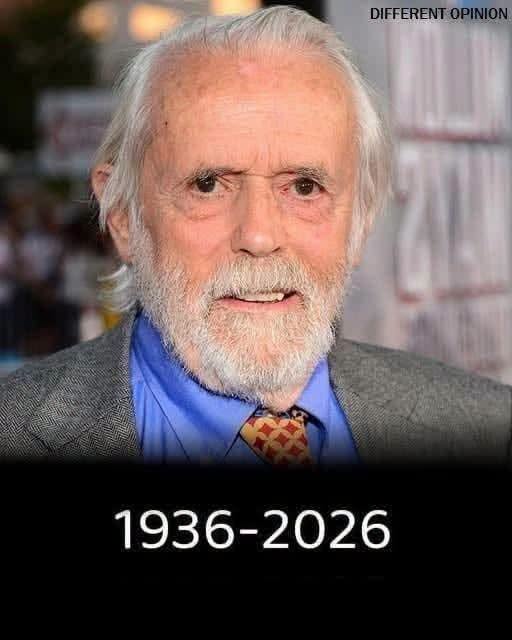
    A beloved Star Trek name deserves better than an unverified goodbye. The supplied account says Walter Koenig has died at 90, but it provides no statement from his family, representatives, or a reliable news outlet confirming that claim. Before mourning the actor who made Pavel Chekov unforgettable, the question is whether this farewell rests on verified information or spec… Continues…

    Walter Koenig earned his place in television history as Pavel Chekov, joining the original Star Trek series in 1967. With his distinctive screen presence and the character’s youthful enthusiasm, he became a familiar face aboard the Enterprise. He later returned for the franchise’s films, helping carry its hopeful vision across generations. For viewers who discovered the series through broadcasts, reruns, or family traditions, Chekov remains part of a deeply personal connection to science fiction.

    That affection makes accuracy especially important. The material provided does not establish that Koenig has died, and an obituary should not turn an unsupported assertion into fact. Confirmation from an authorized spokesperson or reputable reporting would be necessary before publishing such news. What can be celebrated without qualification is his enduring contribution to entertainment, including his memorable work as Alfred Bester on Babylon 5. His career offers ample reason for appreciation without an unverified farewell.

  • With Heavy Hearts, We Share Sad News About This Beloved And Multi-Talented Actor… See more.

    With Heavy Hearts, We Share Sad News About This Beloved And Multi-Talented Actor… See more.

    Hollywood has reportedly lost a familiar face whose quiet power helped make generations of movies unforgettable. Matt Clark’s death at 89 closes a remarkable career spanning some 120 roles, leaving audiences to rediscover the actor behind so many memorable moments. He rarely needed the spotlight, but his absence invites a closer look at the depth of his enduring lega… Continues…

    Matt Clark belonged to that essential class of performers who could make a fictional world feel inhabited. His appearances in films including The Outlaw Josey Wales and Back to the Future Part III placed him within stories that audiences would revisit for decades. Whether viewers immediately recognized his name or simply knew his face, his work offered a reminder that a film’s character extends far beyond its leading stars.

    The reported loss at 89 turns attention toward a career built through the cumulative force of supporting roles. Across approximately 120 credits, Clark’s contribution was not one defining moment but a long succession of them. That is the particular gift of a durable character actor: becoming part of the texture of moviegoing itself. For those returning to his films, remembrance can be as simple as spotting him onscreen again—and appreciating how much a supporting performance can bring to a story.

  • Enduring TV Legacy

    Enduring TV Legacy

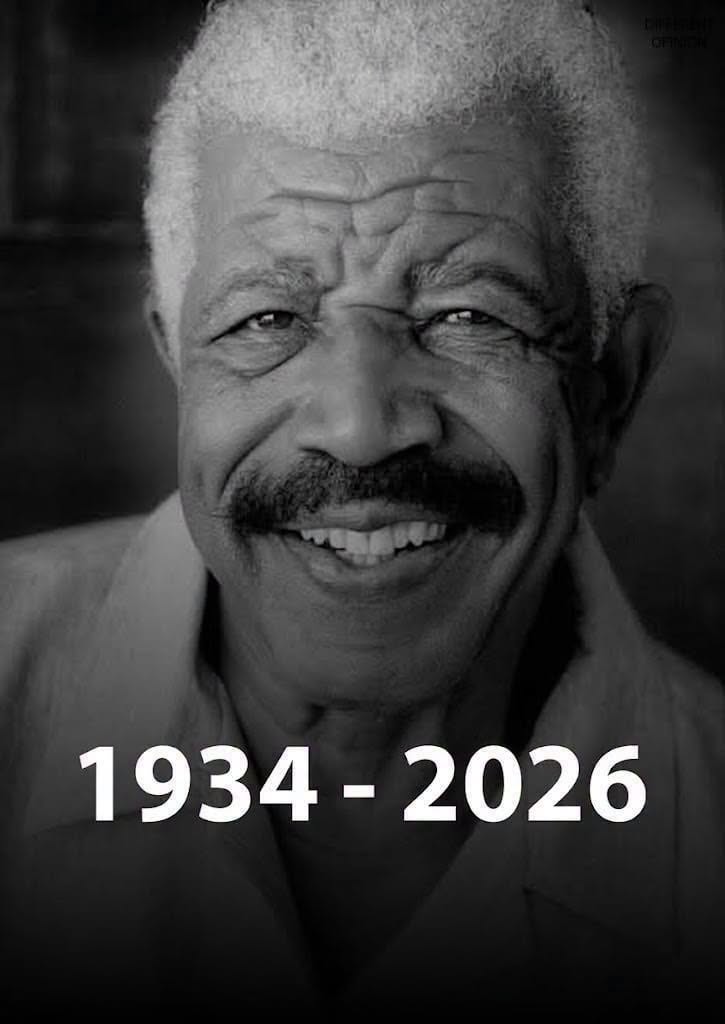
    Television has reportedly lost one of its most familiar faces. For generations, Hal Williams brought warmth and deadpan humor into living rooms through “Sanford and Son” and “227,” making supporting moments feel unforgettable. Reports of his death at 91 now turn attention to the quiet staying power of an actor whose five-decade career left an unmistakable mark on tele… Continues…

    Williams reportedly died of natural causes at his home in Rancho Mirage, California. His breakthrough came as Officer “Smitty” Smith on NBC’s “Sanford and Son,” where his measured delivery made him a memorable foil for the sitcom’s lively ensemble. He later played Lester Jenkins on “227,” giving the family comedy a dependable paternal presence throughout its five-season run. Together, those roles secured his place among the recognizable performers of a defining period in American sitcoms.

    His career reached well beyond those two series. Television appearances included “The Waltons,” “Good Times,” “Night Court,” “Moesha” and “Parks and Recreation,” while films such as “Private Benjamin,” “Guess Who” and “Flight” showcased his range across decades. That extensive body of work offers more than a list of credits: it preserves the timing, steadiness and personality that made Williams distinctive. For audiences revisiting those performances, his contribution remains there, woven into stories that still invite laughter.
  • My Neighbor Borrowed Money for a Year and Suddenly Disappeared Then Her Lawyer Revealed a 15000 Surprise

    My Neighbor Borrowed Money for a Year and Suddenly Disappeared Then Her Lawyer Revealed a 15000 Surprise

    I thought my neighbor had vanished with my money. For months, I had answered her knocks with cash and compassion, only to be left with unpaid debts and a silence that felt like betrayal. Then an attorney’s letter arrived, carrying news of her death, a $15,000 inheritance, and a private note that would force me to question every assu… Continues…

    For nearly a year, my neighbor borrowed small amounts, always promising to pay me back. When she moved away without saying goodbye, I assumed she was avoiding me. A week later, I learned she had died from cancer, an illness she had never mentioned. Her estate documents named me as a beneficiary, but it was the enclosed message that brought me to tears. She thanked me for helping her through difficult days without making her feel ashamed.

    The attorney explained the steps needed to settle the inheritance while I struggled with what I had misunderstood. I wished I had offered companionship, a meal, or somewhere to speak openly—not just money. Gradually, the bequest became less about settling an account and more about receiving her gratitude. Her words stayed with me: I had known her requests, but not her suffering. Helping without judgment had mattered more than I ever realized.

  • Can You Spot the Hidden Face in This Winter Forest Scene?

    Can You Spot the Hidden Face in This Winter Forest Scene?

    The deer is not the only thing watching from this snowy forest. What looks like a peaceful winter scene conceals a second presence, tucked among branches and shadows where your eyes may never linger. Look past the obvious animal and study the spaces between the trees, because one small shift in attention could reveal the forest’s most unexpected secr… Continues…

    The hidden detail is a human face suggested by the arrangement of trees, shadows, and snow. While the deer immediately attracts attention, the surrounding landscape offers another way to interpret the picture. Dark branches and bright patches can work together to suggest facial features, even though each element initially seems like ordinary woodland scenery. The satisfying moment comes when those separate marks begin to connect, turning an overlooked background into the puzzle’s central surprise.

    To search for it, let your gaze move slowly across the scene rather than returning to the animal. Notice the empty spaces as carefully as the solid shapes, and try stepping back slightly from your screen. A different viewing distance may help the larger pattern emerge. There is no need to rush: this puzzle rewards patience, not speed. Whether recognition arrives immediately or gradually, its appeal lies in discovering how differently the same scene can be seen.

  • The “South” Surprise: What to Do When a Copperhead Ends Your Turkey Hunt

    The “South” Surprise: What to Do When a Copperhead Ends Your Turkey Hunt

    The bite can turn a quiet hunt into a fight against panic. Hidden beneath the leaves, a copperhead strikes defensively, leaving a hunter facing pain, uncertainty, and a flood of dangerous advice just when clear thinking matters most. What happens next depends not on bravery, but on resisting the impulse that could make an already frightening situation even wors… Continues…

    Eastern copperheads blend into woodland litter, and their bites usually happen when they feel threatened. Deaths are rare with prompt medical care, but a bite can still cause serious pain, swelling, and tissue injury. Never assume it was a dry bite or wait for symptoms to worsen. Move away from the snake, call emergency services immediately, and stay as still as possible while help is arranged. Do not attempt to catch or kill the animal.

    Remove rings and other tight items before swelling develops, and keep the bitten limb comfortably supported. Avoid unnecessary walking; do not drive yourself if you can get emergency transport. Never cut the wound, suck out venom, or apply ice or a tourniquet. A photograph is useful only from a safe distance without delaying care. Clinicians can determine whether antivenom is needed. The hunt is over; getting safely to treatment is the only task that matters.

  • A Strange Kitchen Tool Was Left Behind—Can You Figure Out Its Purpose?

    A Strange Kitchen Tool Was Left Behind—Can You Figure Out Its Purpose?

    Before you throw it away, consider whose life it once belonged to. An unfamiliar object abandoned in a kitchen drawer can turn the excitement of moving into a quiet mystery, connecting new owners with routines long forgotten. But before curiosity becomes a reason to use it, the smallest marks could offer the most important clues to its hidden pur… Continues…

    Older kitchens often hold utensils designed for tasks that modern appliances have largely replaced. A puzzling metal implement or oddly shaped wooden accessory may once have helped prepare ingredients, measure portions, or make repetitive work easier. To investigate, examine its material, construction, and any manufacturer’s markings. Comparing those details with antique catalogs, reference photographs, or reliable household guides can help establish its function without turning an intriguing guess into a claim of fact.

    Safety matters more than solving the puzzle quickly. Avoid using anything with unknown substances, exposed electrical connections, sharp components, or significant deterioration until its purpose and condition are clear. Useful, safe discoveries might deserve a place in your kitchen; others can be donated appropriately or discarded. Not every find will be rare or valuable. Sometimes, its meaning lies simply in remembering that someone else once made meals, built traditions, and called these same rooms home.

  • My Neighbor Borrowed Money for a Year—Then I Received a Letter From Her Lawyer..

    My Neighbor Borrowed Money for a Year—Then I Received a Letter From Her Lawyer..

    I thought my neighbor had taken my money and vanished. For a year, I answered her pleas with small loans, only to watch every promise of repayment dissolve into silence. Then, one week after she disappeared, a lawyer’s letter arrived with news I was utterly unprepared to face and a final message that would change everything I had beli… Continues…

    Over twelve months, I had lent my neighbor $50 or $100 whenever she needed help. She always seemed grateful, but nothing was repaid. When she moved away without a goodbye, I felt foolish for trusting her. A week later, a letter from her lawyer revealed that she had died of cancer. I hadn’t even known she was ill. Then came another revelation: she had left me $15,000 in her will, along with a personal note.

    “You kept me alive when I had nothing,” she wrote. “Thank you for never making me feel small.” She explained that she had saved whatever she could to repay me properly. Reading her words, my resentment gave way to grief. I wished I had understood what she was facing. The inheritance surprised me, but her gratitude stayed with me: help I had considered ordinary had meant far more to her than I ever knew.