Blog

  • The First Three Colors You See Reveal the Burden You Carry

    The First Three Colors You See Reveal the Burden You Carry

    The First Three Colors You See Reveal the Burden You Carry

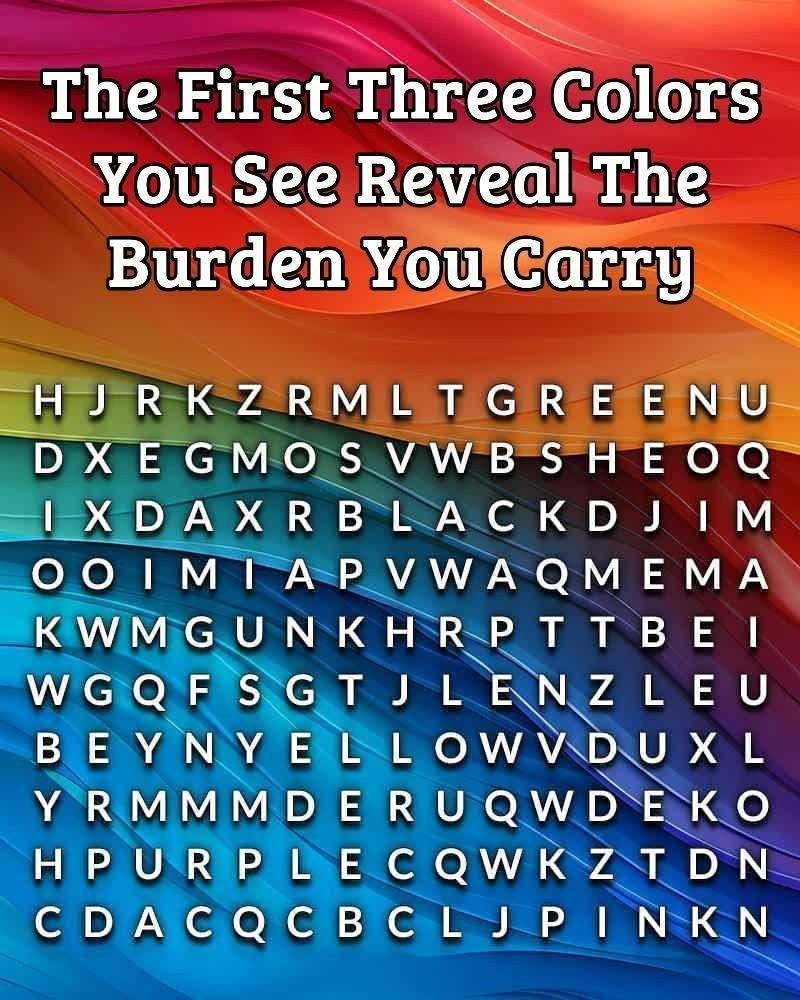
    Colors surround us everywhere. They splash across our environment in walls, clothing, nature, and objects, and while many of us see them without thought, colors carry profound psychological weight. They evoke emotion, influence mood, and even reflect aspects of our inner world.

    Some psychologists and personality theorists suggest that the first three colors you notice in a particular moment can reveal the burdens you carry — the invisible weight of your past, present worries, or subconscious concerns. This is more than a “fun test.” It’s a subtle mirror into your emotional landscape, a tool for self-reflection, and a way to begin understanding the hidden pressures in your life.

    Step 1: Understanding Color and Psychology Before diving into the exercise, it’s important to understand why colors affect us psychologically.

    Red: Often associated with passion, anger, love, or urgency. Red grabs attention because it signals intensity in both our environment and emotions.

    Blue: Linked to calm, sadness, introspection, or trust. Blue can reflect a desire for peace or, sometimes, underlying melancholy.

    Green: Represents growth, balance, or anxiety related to responsibility. It may indicate a struggle with personal or professional pressure.

    Yellow: Evokes optimism, intellect, or sometimes nervous tension. It can reveal subconscious fears masked by outward cheerfulness.

    Purple: Associated with spirituality, creativity, or hidden emotional depth. It may indicate unresolved inner conflict or longing.

    Black/Gray: Often linked to grief, stress, or feelings of limitation. It may suggest a burden of loss or fear.

    White: Purity, clarity, or emptiness. It can signal a desire to start fresh, but may also hint at emotional suppression.

    The theory is that your subconscious mind notices colors first, especially those that reflect your current emotional state or unspoken concerns. When you consciously take note of the first three colors you see, it can act as a window into your psyche.

    Step 2: How to Take the Color Test
    Find a quiet space. Ideally, a place with natural light or a variety of objects.

    Relax and breathe deeply. Let your mind settle, allowing your subconscious to speak.

    Observe your surroundings without actively thinking about them.

    Mentally note the first three colors that stand out to you. These may appear in objects, clothing, patterns, or even shadows.

    Write them down in the order you noticed them.

    Do not overthink. The goal is not to choose colors but to see what your mind naturally focuses on.

    Step 3: Interpreting the First Color
    The first color you notice is said to reveal your most pressing burden — the emotional weight you are carrying subconsciously.

    Red: You may be carrying anger, intense stress, or unresolved conflict. This could be personal, professional, or relational.

    Blue: You may feel sadness, loneliness, or emotional exhaustion. There may be a need for introspection and healing.

    Green: Responsibility or worry is weighing heavily on you. You may feel burdened by obligations to others or self-imposed expectations.

    Yellow: Anxiety or tension may be hidden beneath a cheerful exterior. Your mind is overactive, anticipating outcomes or risks.

    Purple: Emotional or spiritual longing is your primary weight. Perhaps creativity is stifled, or you feel disconnected from purpose.

    Black/Gray: Grief, limitation, or fear of the unknown is dominating your inner world. There may be unresolved trauma or past loss.

    White: A burden of emotional suppression or the need to “keep it together.” You may be holding back feelings to maintain control or stability.

    The first color is your core emotional burden, the one that most subtly and persistently influences your daily life.

    Step 4: Interpreting the Second Color

    The second color represents secondary stressors or burdens — pressures that are significant but not as immediate or intense as the first. These are often practical, relational, or situational concerns that quietly shape behavior.

    Red: Conflict with others or yourself continues to influence your life. Anger may linger beneath the surface.

    Blue: Emotional sensitivity or worry about others’ feelings. Compassion may weigh heavily, leading to exhaustion.

    Green: Practical responsibilities — work, finances, caregiving — are pressing on you. You may feel overwhelmed by duty.

    Yellow: Mental tension, worry about judgment or performance, and a need to control outcomes may be prominent.

    Purple: Internal or creative conflicts are significant. You may feel pressure to express yourself while also fearing vulnerability.

    Black/Gray: Lingering unresolved issues or fears are coloring your perception of the present.

    White: The burden may be invisibility or emotional restraint. You feel pressure to maintain composure, even at a personal cost.

    The second color highlights areas where emotional or mental energy is being spent to manage circumstances, relationships, or personal expectations.

    Step 5: Interpreting the Third ColorThe third color reveals hidden or subtle burdens, those that may not dominate your mind but quietly affect your mood, decision-making, and relationships. These often represent patterns, long-term effects, or unacknowledged concerns.

    Red: There may be suppressed passion or frustration, a desire for change that hasn’t been acted on.

    Blue: Unnoticed sadness or fear of loss may persist beneath daily routines.

    Green: You may carry subconscious guilt or tension related to obligations or moral responsibilities.

    Yellow: Hidden nervousness, indecision, or self-doubt is influencing subtle choices.

    Purple: Spiritual longing or creative dissatisfaction may be quietly eroding your emotional equilibrium.

    Black/Gray: Burdens of avoidance, unresolved trauma, or pessimism affect subconscious thinking.

    White: A need for inner clarity or simplicity is unaddressed. You may feel subtle stress from internal disorganization or uncertainty.

    Together with the first two colors, this third color completes a triad of insight, helping you understand the most pressing, secondary, and subtle burdens in your life.

    Step 6: Reflecting on the Results
    Once you have your three colors, take time to reflect. Ask yourself:

    Does this align with my current emotional state? Sometimes subconscious burdens manifest clearly when you notice colors.

    Are there patterns among the colors? For example, red, yellow, and black may indicate both anger and anxiety combined with fear.

    Which burdens require action? Core burdens often need introspection, while secondary and subtle burdens may be addressed through habits or small changes.

    This reflection is not about judgment — it’s about awareness. Simply recognizing your burdens is the first step toward easing them.

    Step 7: Using Color Awareness for Emotional Healing
    Understanding your burdens through color can guide practical action:

    Red (anger/conflict): Practice mindfulness, journaling, or conflict resolution techniques. Physical activity can also release pent-up tension.

    Blue (sadness/emotional weight): Seek supportive conversations, therapy, or creative outlets to process emotion.

    Green (responsibility/worry): Organize tasks, delegate when possible, and set healthy boundaries.

    Yellow (anxiety/tension): Incorporate relaxation practices like meditation, deep breathing, or mental visualization.

    Purple (inner conflict/creativity): Engage in creative projects or spiritual practices to release internal pressure.

    Black/Gray (grief/fear): Professional counseling, support groups, or trauma-informed practices can help process deeper wounds.

    White (emotional suppression): Journaling, reflective practices, or safe disclosure of feelings can lighten emotional load.

    Color awareness becomes a practical tool for self-care, guiding steps to acknowledge, process, and alleviate burdens.

    Step 8: Combining Color Insights With Daily Life
    The value of this exercise comes when you integrate insight into everyday routines:

    Morning Reflection: Note your emotional state and what burdens feel heaviest.

    Environment Adjustment: Surround yourself with colors that soothe or energize you, depending on your needs.

    Behavioral Changes: Use color cues to identify where attention, patience, or compassion is required.

    Creative Expression: Painting, decorating, or journaling with colors that reflect or release burdens can be therapeutic.

    Colors act as subtle mirrors, constantly reflecting inner states and allowing conscious choice in managing emotional energy.

    Step 9: Beyond the Test — Symbolism in Life
    Colors are more than psychological tools; they are symbols in our culture and personal experience:

    Red: Love, courage, danger

    Blue: Serenity, sadness, wisdom

    Green: Nature, growth, responsibility

    Yellow: Joy, intellect, caution

    Purple: Spirituality, creativity, mystery

    Black: Mourning, fear, resilience

    White: Clarity, peace, simplicity

    By noticing colors in your daily environment, you can continuously monitor your subconscious state and identify emotional burdens before they overwhelm you.

    Step 10: The Transformative Power of AwarenessThe exercise is not fortune-telling; it is a tool of introspection. Understanding the burdens you carry allows:

    Recognition of emotional patterns

    Identification of actionable areas for growth

    Release of tension through acknowledgment and reflection

    It is a bridge between subconscious awareness and conscious action, a gentle method to understand yourself more deeply and compassionately.

    Step 11: Real-Life Examples
    A young professional: Notices red, yellow, and green. The combination reveals work stress (red), anxiety about performance (yellow), and responsibility toward family (green). Awareness leads to time management adjustments and mindfulness practice.

    A grieving spouse: Sees blue, gray, and white. Emotional exhaustion (blue), grief and limitation (gray), and a desire for clarity (white). Awareness leads to therapy, community support, and reflective journaling.

    A creative artist: Notices purple, yellow, and green. Spiritual and creative longing (purple), mental tension (yellow), and responsibility (green). Insight encourages personal projects and balanced scheduling.

    These examples illustrate how color observation provides insight and clarity, helping navigate emotional burdens effectively.

    Step 12: Closing Reflection
    The first three colors you notice are more than visual stimuli — they are windows into your subconscious. They reveal the burdens that shape your behavior, choices, and emotional state.

    By paying attention, reflecting, and taking mindful action, you can release, process, or manage these burdens, turning color awareness into a lifelong tool for emotional resilience and personal growth.

    Final Thought: Colors are silent mirrors of the soul. They reveal what your heart carries even when words cannot. Next time you notice the first three colors in a room, nature, or artwork, pause and reflect — they may tell you more about yourself than any conversation ever could.

  • 9 things a married woman does when another man attracts her

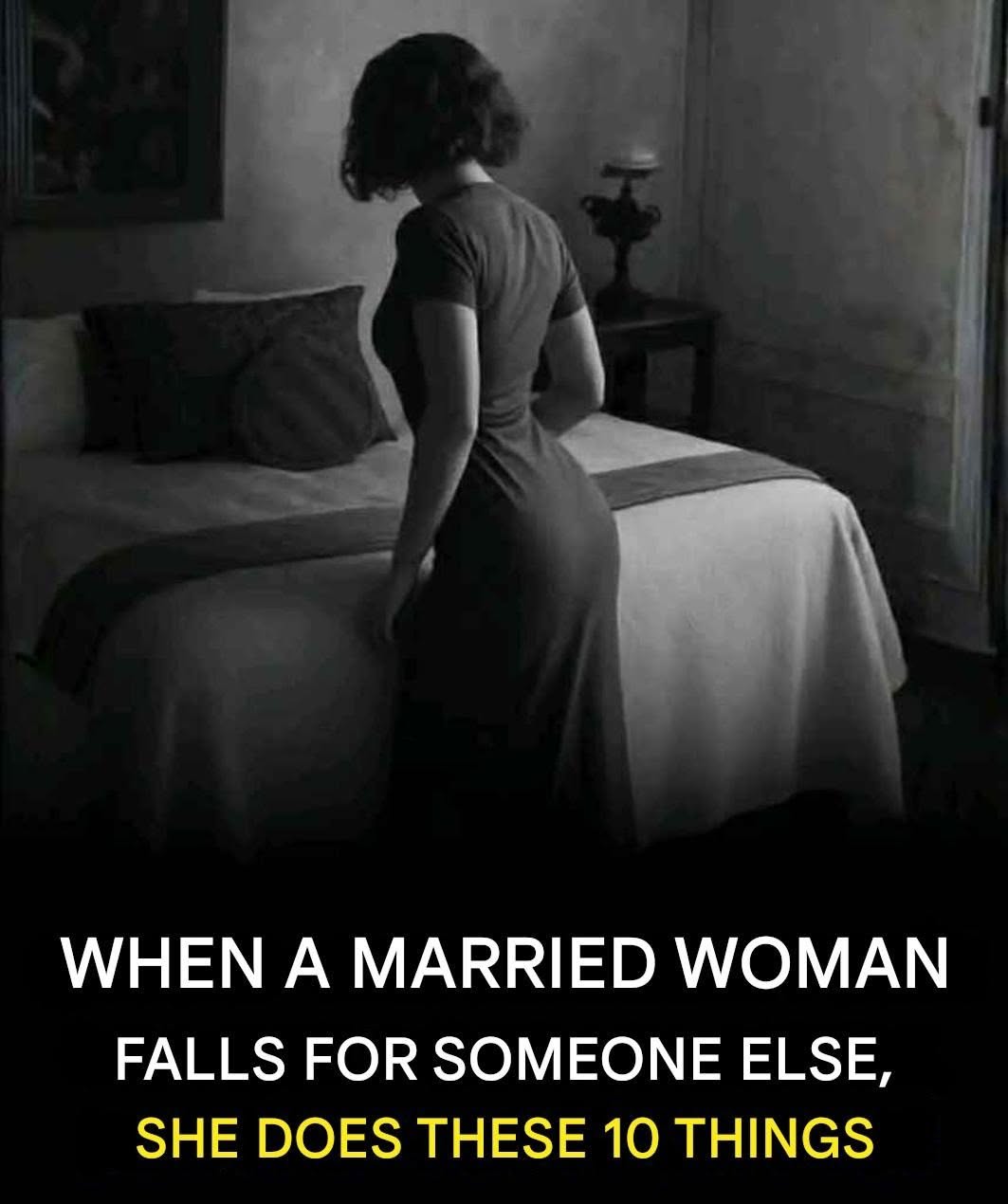
    9 things a married woman does when another man attracts her

    Sometimes the harmony of daily life becomes slightly disrupted: a slightly longer silence, a faraway look, a new and intriguing habit. You sense that “something” is happening, without being able to pinpoint it, and this feeling can become unsettling. Is it simply a phase of fatigue, a need for personal renewal, or a sign that she’s going through a deeper emotional period? Before seeking ready-made answers, one detail deserves your attention: the small behaviors that, taken together, sometimes betray a heart in transition.
    She seems less present at home.
    When a woman appears more distant, even while sharing the same sofa, it can reveal a troubled mind. Perhaps she’s brooding, dreaming of fresh air, or asking herself a thousand questions. As a result, conversations become shorter, meals quieter, and she seems to be in a different world. Rather than imagining the worst, see this signal as an invitation to reopen the lines of communication and offer her space to breathe.
    She’s increasingly declining shared moments.
    When her schedule suddenly fills up, it could indicate a need to refocus or regain personal balance. By taking on more obligations, she may unintentionally distance herself from the routines that structured your daily life. The key is to offer her time together without pressure, to rediscover a natural connection and strengthen your emotional bond.She feels a slight weight on her heart.
    When a woman goes through a phase of inner questioning, she may oscillate between guilt and justification, even if nothing concrete has happened. She tries to convince herself that everything is fine while sensing that something is changing within her. This is often a sign that she needs to be heard gently, without judgment or assumptions.

  • Which lady is rich? If you solve this correctly, your IQ level is higher than 98% of people

    Which lady is rich? If you solve this correctly, your IQ level is higher than 98% of people

    Which lady is rich? If you solve this correctly, your IQ level is higher than 98% of people
    There is a small detail in the picture, based on which, if you have exceptional abilities, you can determine who is really rich: Sara, Pam or maybe Jessica? You will need good observation skills, logic and quick thinking to find it in 5 seconds! Let’s see the picture!

    Here’s a 650-word article inspired by the image and riddle:

    Which Lady Is Rich? The Viral Hand Puzzle That Has Everyone Arguing Online

    The internet loves a good brain teaser, especially the kind that looks simple at first but suddenly turns into a heated debate in the comments section. One of the latest viral puzzles shows three women — Sara, Pam, and Jessica — with different styles, accessories, and manicures. Underneath the image is the challenge:

    “Which lady is rich? If you solve this correctly, your IQ level is higher than 98% of people.”

    At first glance, the puzzle seems easy. Most people immediately focus on expensive-looking items like watches, jewelry, or fashion choices. But the more closely people examine the image, the more divided opinions become.

    So who is actually rich?

    The puzzle has sparked thousands of arguments online because each woman represents a different type of lifestyle and social image.

    Sara wears a large luxury-style watch that resembles an expensive designer brand. Her nails are natural and simple, and she has no flashy accessories besides the watch itself. Many people instantly assume she is wealthy because luxury watches are often associated with status and money. Designer watches can cost thousands — sometimes even tens of thousands — of dollars.

    Pam, on the other hand, has long red polished nails and what appears to be a shiny gold bracelet or sleeve around her wrist. Her overall appearance looks glamorous and attention-grabbing. Some viewers believe she is the richest because her style looks bold and luxurious, almost like someone trying to show off wealth openly.

    Then there is Jessica. She wears turquoise-colored nails and several bracelets that appear handmade or artistic rather than expensive. Compared to the other two, her accessories seem less flashy. Because of this, many people immediately dismiss her as the “poor” option.

    But this is exactly where the puzzle becomes interesting.

    The riddle is designed to test assumptions about wealth, appearance, and social stereotypes.

    A large number of people online believe Sara is actually the richest woman in the image. Their reasoning is simple: truly wealthy people often dress more subtly and don’t feel the need to constantly display luxury. Instead of wearing many flashy items, they may invest in one extremely expensive accessory, like a luxury watch. In real life, quiet wealth is often harder to notice than obvious attempts to look rich.

    Others strongly disagree and argue that Pam is the correct answer because her appearance looks polished, fashionable, and high-maintenance. Maintaining long manicured nails and wearing glamorous accessories regularly can cost a lot of money. Supporters of this theory believe the puzzle intentionally hides wealth behind confidence and style.

    Meanwhile, a smaller group argues that Jessica may secretly be the wealthiest of all. Their reasoning is psychological rather than material. They claim truly rich people often feel comfortable dressing casually and creatively without caring what others think. Instead of chasing luxury logos or flashy fashion, they focus on comfort and individuality.

    What makes this puzzle so viral is that there is no officially confirmed answer.

    The image itself doesn’t provide enough evidence to definitively prove which woman has the most money. Instead, the puzzle exposes how quickly people judge others based on appearance alone. Everyone brings their own experiences, beliefs, and stereotypes into the answer they choose.

    Some people associate wealth with designer brands.

    Others associate wealth with confidence and simplicity.

    And some believe real wealth is invisible.

    Psychologists often explain that humans naturally make snap judgments within seconds of seeing someone. Clothing, jewelry, posture, grooming, and fashion choices all influence how we perceive status and success. This puzzle takes advantage of that instinct perfectly.

    In reality, a rich person could look like any of these women — or none of them at all.

    That’s why the debate continues across social media platforms. The puzzle is less about finding a “correct” answer and more about revealing how differently people define wealth.

    So, which lady do you think is rich?

    Your answer might say more about you than about them.

  • Madonna praised as “most beautiful” woman in the world aged 66

    Madonna praised as “most beautiful” woman in the world aged 66

    Madonna Continues to Captivate Fans at 66 Following Health Scare and Tour Comeback

    Pop Icon Returns to the Spotlight

    More than four decades after launching one of the most influential careers in  history, Madonna continues to command global attention. At 66 years old, the singer remains a major presence in the entertainment industry, drawing admiration from audiences around the world

    Known for constantly reinventing herself, the artist has maintained her status as a cultural force since first rising to fame in the early 1980s. While many performers have come and gone over the years, Madonna’s ability to remain relevant has helped secure her place among music’s most enduring stars.


    A Frightening Medical Emergency

    Concern spread rapidly among fans when news emerged that Madonna had been hospitalized during the summer after suffering a bacterial infection.

    At the time, she was preparing to begin the Celebration Tour, which was scheduled to open in Vancouver on July 15.

    The extensive tour was planned as a retrospective of her career, featuring music spanning from 1983 through the present day. The schedule included 53 performances across North America and Europe.

    Those plans were suddenly interrupted when the singer experienced a medical emergency that required immediate treatment

    Early reports revealed that Madonna had been found unresponsive on June 24 and was transported to a hospital in New York City.

    Medical staff reportedly intubated the singer as part of her treatment, highlighting the seriousness of the situation.

    As details continued to emerge, concern about her condition intensified among both fans and those close to her.

    Family Faced an Uncertain Situation

    The severity of Madonna’s illness became clearer in the days following her hospitalization.

    A relative described the difficult circumstances surrounding the emergency and explained that those closest to the singer were unsure what the outcome would be.

    “For the past couple of days, no one really knew which direction this was going to turn, and her family was preparing for the worst,” they said.

    The same family member also explained why information about her condition had remained private during the initial stages of the crisis.

    “That is why it was kept a secret since Saturday,” they added. “Everyone believed that we may lose her, and that has been the reality of the situation.”

    The comments underscored how close the situation appeared to becoming a tragedy.

    For a performer whose career has spanned generations, the news prompted an outpouring of concern from supporters around the globe.

    Additional Details Reveal the Gravity of the Incident

    As reports continued to surface, further information suggested that the health scare may have been even more serious than initially understood.

    Recovery Opens the Door to a Return

    As her health steadily improved, attention shifted toward the future of the Celebration Tour.

    The project had been designed as a tribute to the music and performances that helped define her career.

    With decades of chart success behind her, the tour represented an opportunity to revisit some of her most recognizable songs while celebrating her impact on popular culture.

    Fans eagerly awaited confirmation that she would be able to return to the stage.

    When the tour finally resumed, the response was overwhelmingly positive.

    The successful launch demonstrated not only Madonna’s determination but also her ability to recover from a serious setback and reconnect with audiences

    Fans Celebrate Her Appearance

    Social media users were quick to comment on Madonna’s latest photographs, with many focusing on her appearance at age 66

    Several admirers expressed disbelief when considering her age, while others praised her ongoing commitment to performing.

    One fan wrote: “How is this woman sixty five years old? Please share your secrets with us and your filter. QUEEN ??”

    The comment reflected a sentiment shared by many supporters who continue to view Madonna as an extraordinary figure within the entertainment industry.

    Another admirer offered a similarly enthusiastic response.

    “You look like a woman of 35 years old”

    Additional praise came from fans who emphasized her unique place in popular culture.

  • How to stay calm when you find unwanted “guests” in your child’s hair.

    How to stay calm when you find unwanted “guests” in your child’s hair.

    Ticks don’t just bite you. They quietly invade your body. Hours can pass, even days, before you realize one is locked into your skin, feeding, and possibly delivering something far more dangerous than a simple itch. By the time the redness spreads and the fatigue hits, it may already be too la… Continues…

    Ticks may be tiny, but their impact can be life-altering. A single bite can introduce bacteria, parasites, or viruses into the bloodstream, sometimes without any dramatic early signs. That is why noticing subtle changes—unusual tiredness, headaches, spreading rashes, or flu-like symptoms—matters so much in the days after exposure. When caught early, many tick-borne illnesses can be treated effectively, often preventing long-term complications.

    Protecting yourself begins before the bite ever happens. Wearing protective clothing, using tick repellents, and doing full-body checks after time outdoors greatly reduce risk. Carefully removing any tick you find, cleaning the area, and monitoring your health afterward are crucial steps. If something feels “off” in the days that follow, seeking medical advice quickly is not overreacting—it is taking your health, and your future, seriously.

  • Classic Brick Ranch Home With Walko

    Classic Brick Ranch Home With Walko

    Nestled in the desirable Sunrise Estates neighborhood of Columbia, Missouri, this charming brick ranch presents an exciting opportunity for buyers seeking space, comfort, and potential. While its exterior offers classic curb appeal and timeless durability, the true value of this home lies in the possibilities waiting inside. With solid construction and a flexible layout, it provides the perfect canvas for updates, personalization, or long-term investment.

    Step through the front door and discover spacious living areas designed for both everyday living and entertaining. The inviting family room serves as the heart of the home, featuring a cozy fireplace that creates a warm gathering place during colder months. Just beyond, an enclosed sun porch offers additional living space filled with natural light, making it ideal for relaxing, reading, hobbies, or enjoying morning coffee throughout the year.

    The home’s thoughtful floor plan includes a comfortable primary suite that provides privacy and convenience, while additional bedrooms offer flexibility for family members, overnight guests, or a dedicated home office. The layout easily adapts to changing needs, making it suitable for a variety of lifestyles.

    Downstairs, the finished basement expands the home’s possibilities even further. Whether used as a recreation room, fitness area, media space, creative studio, or extra storage, the lower level adds valuable square footage and functionality. An attached garage provides convenient parking and room for tools, equipment, or weekend projects.

    Outside, the manageable yard offers space for gardening, outdoor gatherings, or future landscaping improvements. Investors, first-time buyers, and homeowners looking for a renovation opportunity will all appreciate the potential this property holds. Whether transformed into a dream residence or maintained as a profitable rental, this Sunrise Estates home offers the chance to build equity and create lasting value in one of Columbia’s welcoming neighborhoods.

  • Rheumatoid Arthritis: Foods Which Should Be Avoided

    Rheumatoid Arthritis: Foods Which Should Be Avoided

    The pain doesn’t always start in the joints. Sometimes, it starts on your plate. One “harmless” snack, one comforting meal, and hours later your fingers throb, your knees burn, and you wonder what went wrong. For millions living with rheumatoid arthritis, everyday foods may be quietly fueling inflammation, sabotaging medications, and turning manageable pain into a relentle… Continues…

    Rheumatoid arthritis is more than joint pain; it is a full‑body inflammatory storm, and the foods you choose can either calm it or fan the flames. Highly processed snacks, sugary drinks, fast food, and processed meats are frequent culprits, loaded with refined carbs, unhealthy fats, and additives that may intensify swelling and stiffness. Fried foods, trans fats, and high‑saturated‑fat items like deep‑fried dishes, rich pastries, and fatty red meats can further aggravate inflammation and make symptom control feel impossible. Alcohol adds another layer of risk, potentially clashing with medications and amplifying discomfort.

    Yet food can also become part of your defense. By keeping a detailed food diary, you can spot patterns between what you eat and how your joints feel, uncovering your personal triggers. Centering meals on vegetables, fruits, whole grains, lean proteins, and healthy fats supports overall health and may ease inflammation. Partnering with a healthcare professional or dietitian ensures that any dietary changes work safely alongside your treatment, turning your daily choices into a quiet but powerful ally against rheumatoid arthritis.

  • Check your personality based on the word that comes to your mind first

    Check your personality based on the word that comes to your mind first

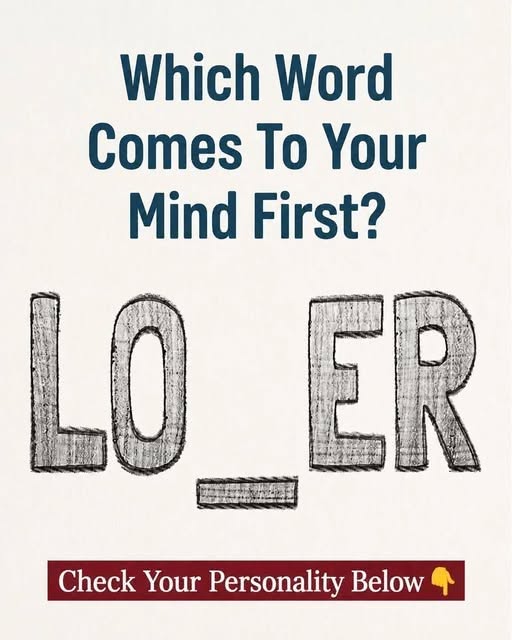
    The word flashes in your mind—and you feel it before you understand it. One tiny choice: LOVER or LOSER. Your heart tightens, your brain races, and a part of you wonders, “What does this say about me?” It feels uncomfortably revealing, like being caught off guard in your own thoughts. This isn’t just a word test. It’s a mirror, quietly reflecting the way you see your heart, your fears, your connections, and your hidden doubts. Whether you lean toward warmth or wariness, romance or risk, this single split-second reaction exposes more than you expe… Continues…

    If LOVER rises first in your mind, it often means you move through life with your heart open. You may instinctively look for connection, hope, and emotional meaning in almost everything. You’re likely someone who values loyalty, closeness, and the safety of being truly seen. People may rely on you for comfort, tenderness, and understanding, even when you’re exhausted yourself. That longing to protect and be protected runs deep.

    If LOSER appears first, it doesn’t define your worth—it reveals your vigilance. Your mind may scan for danger, disappointment, or rejection before you even realize it. You might hold yourself to harsh standards, noticing flaws faster than strengths. Yet that same sharp awareness can make you honest, grounded, and careful with your choices. Whether you saw LOVER or LOSER, the real story isn’t the word itself, but the quiet truth it exposes about how gently—or how harshly—you treat your own heart.

  • This morning, I walked into the bathroom and found this on the floor.

    This morning, I walked into the bathroom and found this on the floor.

    I thought I was stepping into an ordinary morning. Then I saw them. Small, jelly-like blobs huddled in the bathroom corner, glistening in a clear, slimy pool. They looked wrong. Alien. Dangerous. My search for answers only made things worse. Friends guessed, joked, speculated. Panic rose as theories grew wilder and more disgu… Continues…

    I kept zooming in on the photos, my mind racing between infestation and full-blown biohazard. Every online image search led to dead ends or horrifying possibilities that made me eye every corner of my home differently. It’s unsettling how quickly a quiet morning can turn into a spiral of “What if this spreads?” and “What have I been breathing in?”

    Relief finally came from strangers on the internet who recognized it immediately: slime mold, thriving in the damp bathroom air. Not toxic, not parasitic, not extraterrestrial—just a bizarre, temporary visitor born from humidity. I scrubbed the floor, aired out the room, and watched the last traces disappear. The fear faded, but the feeling lingered: how fragile that thin line is between feeling safe in your own home and suddenly questioning everything you thought you understood about it.

  • My daughter woke up with this huge spot on her foot I don’t know what it could be. She’s been in pain and can’t move her foot what is this.. Explain this

    My daughter woke up with this huge spot on her foot I don’t know what it could be. She’s been in pain and can’t move her foot what is this.. Explain this

    Blood blisters strike fast. One moment your skin looks normal, the next there’s a dark, swollen bubble that looks terrifying. Is it just a minor injury… or a warning sign your body is begging you not to ignore? The color, the pain, the location — they all mat… Continues…

    Blood blisters may look dramatic, but most are simply your body’s response to sudden pressure or friction. When tiny blood vessels break under intact skin, blood pools and forms that dark, tense bubble. Left alone, it usually dries, flattens, and disappears within a week or two as new skin forms underneath. Protecting the area, easing pressure, and keeping it clean are often all that’s needed for smooth healing.

    However, your skin can also act like a warning light. Blood blisters that appear repeatedly, take a long time to heal, or show up without any clear injury can point to deeper issues such as diabetes, circulation problems, or clotting disorders. Any blister that becomes hot, increasingly painful, filled with pus, or surrounded by red streaks needs prompt medical care. Respect what your skin is telling you: most blood blisters are harmless, but none should be ignored when they start breaking the rules.