
Category: Uncategorized

  • Just one leaf of this plant is worth a gold mine!

    Just one leaf of this plant is worth a gold mine!

    Many people pull it from gardens without a second thought, assuming it is just another stubborn weed. Yet the plant commonly known as Santa Lucía herb has been valued in traditional herbal practices for generations because of the many natural properties people believe it contains. Found growing along sidewalks, in damp soil, flowerpots, and backyards, this small wild plant is easy to recognize by its green leaves, tiny flowers, and the milky white latex released when the stem is cut. While often overlooked, it has long been used in homemade teas and natural remedies aimed at supporting overall wellness.

    Known scientifically as Euphorbia hirta, the plant is sometimes referred to as asthma-plant because of its traditional association with respiratory support. Folk medicine attributes several properties to it, including anti-inflammatory, expectorant, digestive, and diuretic effects. Many people use it in herbal infusions to help ease coughs, mild respiratory congestion, stomach discomfort, bloating, and fluid retention. In some regions, it is also traditionally linked to helping soothe joint discomfort and supporting urinary health.

    One of the most commonly mentioned uses involves digestive relief. Many people drink Santa Lucía herb tea after meals to support digestion and ease feelings of heaviness or abdominal discomfort. Others value it for its reputation in natural medicine as a soothing herb during colds or bronchitis because it is believed to help loosen mucus and calm irritation in the respiratory tract.

    The plant is also popularly associated with natural wellness routines related to circulation, fluid balance, and general detox support due to its mild diuretic reputation. Some traditional users even mention it as a supportive herb in healthy lifestyle plans aimed at maintaining balanced blood sugar levels, though experts emphasize it should never replace prescribed medical treatment.

    Preparing the tea is simple. People commonly steep one teaspoon of chopped leaves, flowers, and stems in hot water for several minutes before straining and drinking the infusion warm. However, despite its popularity in folk medicine, herbal remedies should always be approached carefully. Pregnant or breastfeeding individuals, young children, and people with chronic illnesses are generally advised to consult a healthcare professional before consuming it regularly.

    Although many natural traditions praise Santa Lucía herb for its potential benefits, proper identification is essential because wild plants can easily be confused with harmful species. Experts also recommend avoiding plants collected from polluted areas, roadsides, or contaminated soil.

    For many families, Santa Lucía herb remains part of a long tradition of natural wellness passed from generation to generation. Whether used as a comforting tea or simply appreciated as a reminder of traditional herbal knowledge, the plant continues to attract attention from people interested in natural approaches to everyday well-being.

  • I Found Something Bright Red in My Garden and Paused

    I Found Something Bright Red in My Garden and Paused

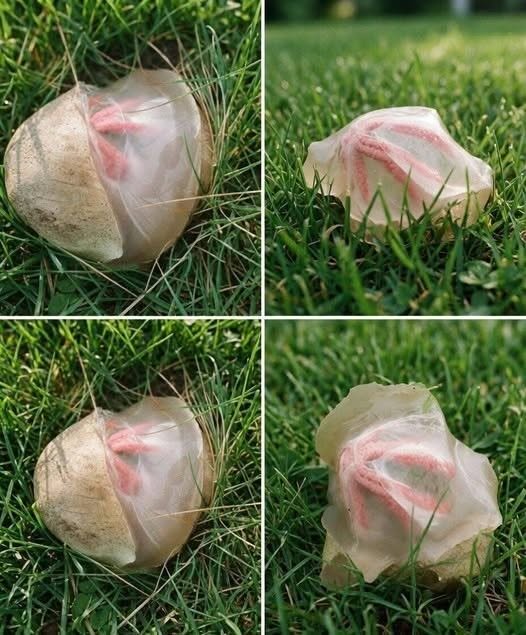
    The shock came before the explanation. I was outside watering my flower bed when a glossy red shape near the soil caught my attention. It was small, smooth, and completely out of place. For a moment, I stopped watering and stared, wondering what I had discovered.

    The bright red growth immediately made the ordinary garden feel unfamiliar. My mind raced through possibilities, each one more worrying than the last. It was amazing how quickly something harmless-looking could become frightening simply because I didn’t understand what I was seeing.

    I moved closer and examined it carefully. The object appeared to be a natural growth rather than something that had been placed there. Its unusual color and rounded shape made it look almost artificial, but there was nothing around it suggesting that someone had deliberately left it behind.

    After taking a closer look, the most reasonable explanation seemed to be fungus. Fungi can appear suddenly in gardens, especially when soil conditions are damp and favorable. Their colors, shapes, and textures can be surprisingly strange, making them easy to mistake for something far more alarming.

    I realized that my initial fear had come mostly from uncertainty. The garden itself hadn’t changed. Nothing dangerous had suddenly appeared just because I couldn’t identify the red growth immediately. My imagination had simply filled the gap in my knowledge with the worst possibilities.

    That realization made me curious instead of frightened. Rather than disturbing the growth unnecessarily, I decided to observe it and learn more about what might be growing in my garden. Nature often produces forms that look unusual until we understand them.

    The experience also reminded me how quickly our minds can turn ordinary discoveries into threats. A strange color, unfamiliar shape, or unexpected object can trigger anxiety before we have enough information to understand it. Sometimes pausing and looking carefully is all it takes to change our perspective.

    By the time I walked away, the bright red growth no longer seemed frightening. It had become a small reminder that nature can be wonderfully strange. The garden hadn’t changed at all—the only thing that changed was my understanding of what I had found.

  • My Husband Mocked Me After Leaving Us Broke—But Karma Came From the Last Person I Expected

    My Husband Mocked Me After Leaving Us Broke—But Karma Came From the Last Person I Expected

    I still remember the silence after my husband Daniel left. It was not peaceful; it echoed through every empty corner of our apartment. He had taken the couch, dining table, television, and even the curtains because he believed he had paid for them. When my seven-year-old son Leo and I came home, I initially thought we had been robbed.

    That first night, we slept on thin mattresses on the floor. Streetlights shone through the bare windows, and I tried to make the situation seem like an adventure by calling it “camping indoors.” But when Leo quietly asked if we were going to be okay, I had to hide my fear and reassure him that we already were.

    Daniel continued calling every few days, but he never apologized. Instead, he mocked our situation and asked how life was without his money. His cruelty hurt, but it also strengthened my determination. I worked extra hours and sacrificed what I could to make sure Leo felt safe despite our difficult circumstances.

    Then one afternoon, I received an unexpected call from Claire, the woman Daniel had left us for. We agreed to meet at a small café, and I expected the encounter to be uncomfortable. Instead, Claire appeared frightened and exhausted and immediately apologized.

    She explained that Daniel had lied to her, claiming he had been divorced for years and was only helping his former family out of kindness. After discovering the truth and confronting him, Claire learned how he had treated Leo and me. She threw Daniel out because she wanted nothing to do with someone capable of abandoning his family so cruelly.

    Claire then handed me an envelope containing money. She had sold gifts Daniel had bought for her and added some of her own savings. Although I initially refused, she insisted that the money had never truly been meant for her and wanted to help Leo and me rebuild our lives.

    Thinking of my son and the difficult weeks ahead, I finally accepted her kindness. When I returned home, Leo was sitting on his mattress drawing. He looked up and asked whether something good had happened.

    For the first time in weeks, I smiled and truly believed that things could improve. Daniel thought he had taken everything from us, but he was wrong. The person I least expected—Claire—gave us the chance to begin again.

  • Found Silverfish in Your Home?

    Found Silverfish in Your Home?

    Seeing a small, silvery insect suddenly dart across your floor at night can be unsettling. At first it may seem like nothing serious, but once it disappears into cracks, behind cabinets, or under sinks, it becomes harder to ignore.

    These insects are called silverfish. They are small, wingless bugs with shiny, metallic-looking bodies and long antennae. Their movement is fast and wriggling, which is why they often get noticed only when the lights are turned on at night.

    Silverfish are not dangerous to people or pets. They do not bite, sting, or spread disease. However, they are considered household pests because their presence often signals a moisture problem inside the home.

    They thrive in damp, dark environments. Bathrooms, kitchens, basements, laundry rooms, and areas near leaking pipes are ideal places for them. High humidity is the main reason they survive indoors.

    Their diet includes starches and carbohydrates. This means they can feed on paper, cardboard, wallpaper glue, book bindings, and even food crumbs. Over time, they may cause damage to stored items.

    Seeing one silverfish does not always mean a full infestation. But frequent sightings, shed skins, or tiny holes in paper or fabric can indicate a hidden population living nearby.

    The most important step in controlling them is reducing moisture. Fixing leaks, improving ventilation, and using dehumidifiers makes the environment less suitable for them and helps stop them from returning.

    In the end, silverfish are more of a warning sign than a threat. If the humidity and hiding places are removed, they usually disappear on their own, leaving the home cleaner, drier, and under control.

  • Benedita, the fighter from Vassouras

    Benedita, the fighter from Vassouras

    People laughed when a farmer paid almost nothing for a woman nearly two meters tall, dismissed by others as useless and uncontrollable. To most buyers, she was a risk no one wanted to take.

    But Joaquim Lacerda saw something different. Where others saw a problem, he saw untapped strength—raw, unfocused, but full of potential.

    Her name was Benedita, and what seemed like another moment of humiliation would become a turning point in her life.

    The scene took place in 1857, in the town of Vassouras, in Brazil’s coffee-growing region. At the time, slavery shaped daily life, and human beings were bought and sold in public markets.

    That morning, men, women, and children stood on a platform, inspected like property. When Benedita was presented, the crowd reacted with discomfort rather than interest.

    She stood out immediately—tall, strong, and marked by hardship. Her presence unsettled buyers, who believed she was too difficult to control after being rejected by several owners.

    The bidding quickly dropped as no one stepped forward. One by one, offers fell until the silence was broken by a single voice offering a minimal amount.

    Joaquim’s bid ended the auction. In that moment, a life defined by rejection took an unexpected turn, showing how even in the harshest systems, perception could change a person’s fate.

  • Apple Cider Vinegar Hair Experiment

    Apple Cider Vinegar Hair Experiment

    Apple cider vinegar (ACV) has become a popular natural option for people who want to improve their hair and scalp without using complicated products. When properly diluted, its mild acidity may help support the scalp’s natural pH balance, which can be affected by shampoo, styling products, and environmental exposure.

    One potential benefit of ACV is that it may help make hair look smoother and shinier. The acidic nature of diluted vinegar can help the hair cuticle lie flatter, creating a smoother surface. As a result, hair may appear softer, healthier, and more polished after use.

    ACV is also commonly used to help with dandruff and scalp itchiness. Buildup, excess oil, and mild irritation can make the scalp feel uncomfortable. A diluted ACV rinse may help cleanse away residue and leave the scalp feeling fresher and cleaner.

    Another advantage is its ability to help remove product buildup. Shampoos, conditioners, gels, and styling products can accumulate on the hair over time, making it appear dull or heavy. An occasional ACV rinse may help remove some of this residue and restore a lighter, cleaner feel.

    ACV may also help manage frizz and improve overall hair texture. When the cuticle lies flatter, the strands can feel smoother and become easier to style. This may reduce the appearance of frizz while helping the hair maintain moisture and softness.

    Some people consider leaving diluted ACV on their hair overnight, believing that longer contact provides greater benefits. However, overnight use is generally unnecessary and may increase the risk of irritation, particularly for people with sensitive scalps.

    Using ACV safely is important. It should always be diluted with water rather than applied directly to the scalp or hair. If burning, redness, itching, or other irritation occurs, the treatment should be rinsed out immediately and discontinued.

    Overall, ACV can be a simple addition to a regular hair-care routine. It may support shine, smoother texture, reduced buildup, and a cleaner-feeling scalp. However, its effects are usually gradual, so it is best considered an occasional treatment rather than a miracle solution.

  • Our ears reveal our true state of health

    Our ears reveal our true state of health

    Our ears are more than just organs for hearing; they can also provide vital clues about our overall health.

    One of the most overlooked health indicators is earwax. While often dismissed as an annoyance, earwax plays a protective role, safeguarding the ear canal from dirt, bacteria, and other debris. However, its color, texture, and even smell can signal underlying health issues that shouldn’t be ignored.

    Let’s delve into what different types of earwax can reveal about your body and why you should pay closer attention to this often-misunderstood substance.

    The Importance of Earwax: More Than Meets the Eye

    Earwax, scientifically known as cerumen, serves as the ear’s natural defense system. It traps dirt and microorganisms, preventing them from entering deeper into the ear canal. Despite its critical role, many people view earwax as a nuisance, leading to habits like daily ear cleaning that can do more harm than good.

    Frequent cleaning, especially with cotton swabs, can push wax deeper into the ear, causing blockages or even damaging the eardrum. Instead, it’s better to let the earwax work naturally unless there’s discomfort or a noticeable change in its appearance or smell.

    What Different Types of Earwax Say About Your Health

    The state of your earwax can act as a window into your body’s health. Changes in color, texture, or odor should not be ignored, as they could indicate anything from mild environmental effects to more serious health conditions.

    1. Gray Earwax

    • What It Means: Gray earwax without additional symptoms is usually harmless. It’s often a result of environmental factors like pollution, making it common in urban areas.
    • When to Worry: If accompanied by itchiness or discomfort, consult a doctor to rule out infections.

    2. Blood in the Earwax

    • What It Means: Blood-tinged earwax may indicate a perforated eardrum or injury to the ear canal.
    • Action to Take: Seek immediate medical attention. A perforated eardrum can make your ear more susceptible to infections like otitis media.

    3. Brown Earwax

    • What It Means: Dark brown, excessive earwax can signal that your body is under stress. This response may be your body’s way of reacting to heightened emotional or physical tension.
    • What You Can Do: Take steps to reduce stress, such as practicing relaxation techniques or spending time in a calming environment.

    4. Black Earwax

    • What It Means: A one-time occurrence of black earwax is generally not a cause for concern. However, recurring black earwax accompanied by itching could be a sign of a fungal infection.
    • Action to Take: Schedule an appointment with an ENT specialist if this happens frequently.

    5. White Earwax

    • What It Means: White earwax may suggest a deficiency in vitamins or trace elements like iron and copper.
    • How to Address It: Incorporate nutrient-rich foods into your diet, such as beans, lentils, and oats, to replenish essential vitamins and minerals.

    6. Strong-Smelling Earwax

    • What It Means: Foul-smelling earwax is a red flag for a middle ear infection. This condition can also cause symptoms like ear noise or discomfort.
    • Action to Take: Visit a doctor promptly to prevent complications, including potential hearing loss.

    7. Liquid Earwax

    • What It Means: A sudden change in earwax consistency, such as turning liquid, may indicate an active ear infection.
    • When to Seek Help: If the change persists or is accompanied by pain, see a healthcare professional for diagnosis and treatment.

    8. Dry Earwax

    • What It Means: Dry earwax often points to dehydration or a lack of healthy fats in your diet. It can also be linked to skin conditions like dermatitis.
    • How to Fix It: Increase your water intake and consume foods rich in healthy fats, such as avocados, nuts, and fish. For skin-related issues, consult a dermatologist.

    When to See a Doctor

    While earwax itself is usually harmless, certain changes can signal the need for medical attention. Seek professional advice if you notice any of the following:

    • Persistent itching or discomfort.
    • Sudden changes in earwax color or consistency.
    • Foul odor or liquid discharge from the ear.
    • Signs of infection, such as pain, redness, or swelling.

    Ignoring these signs could lead to complications, including hearing loss or more severe infections.

    How to Maintain Healthy Ears

    Keeping your ears healthy doesn’t require daily cleaning. Instead, adopt these safe practices to maintain optimal ear health:

    1. Avoid Cotton Swabs: These can push wax deeper into the ear canal, causing blockages or damage.
    2. Use Ear Drops if Needed: Over-the-counter ear drops can help soften hardened wax for easier removal.
    3. Let Nature Work: The ears are self-cleaning. Earwax naturally moves out of the canal over time.
    4. Hydrate Regularly: Drinking enough water helps maintain the moisture levels necessary for healthy earwax.
    5. Protect Your Ears: Avoid prolonged exposure to loud noises and keep ears dry to prevent infections.
    The Link Between Ear Health and Overall Well-Being

    Your ears are closely connected to your overall health. Changes in earwax can be early indicators of stress, nutritional deficiencies, or even systemic infections. By paying attention to these subtle signs, you can catch potential health issues early and take appropriate action.

    Conclusion: Your Ears Are Speaking—Are You Listening?

    Earwax might seem like a minor annoyance, but it holds vital clues about your health. From stress and infections to vitamin deficiencies, the state of your earwax can reveal more than you’d expect. By observing these changes and maintaining proper ear hygiene, you can ensure not just healthier ears but a healthier you. So next time you clean your ears, take a closer look—you might learn something important about your body.

  • I always wondered what that was… You might have…

    I always wondered what that was… You might have…

    Dyshidrotic eczema is a skin condition that causes small, itchy, fluid-filled blisters, usually on the fingers, palms, toes, or soles of the feet. It is often mistaken for simple irritation or dry skin, but it is a distinct form of eczema that can be painful and recurring.

    The condition is also known as pompholyx. It is not contagious, but it can significantly affect daily comfort due to intense itching, burning, and sensitivity in the affected areas. Flare-ups often come and go over time.

    The blisters typically appear suddenly in clusters and may last for several weeks. As they heal, the skin can become dry, cracked, or peel, sometimes causing discomfort or pain when the skin splits.

    Doctors believe dyshidrotic eczema is linked to several triggers, although the exact cause is not fully understood. Common triggers include stress, allergies, warm or humid weather, and frequent exposure to water or irritating substances like detergents.

    Other possible triggers include sweating, metal exposure such as nickel or cobalt, and a personal or family history of eczema, asthma, or allergic conditions. These factors may increase the likelihood of flare-ups.

    Diagnosis is usually made through a physical examination of the skin and a review of the patient’s medical history. The appearance and location of the blisters often help doctors identify the condition.

    In some cases, additional tests may be needed to rule out other skin problems such as fungal infections or allergic reactions. This helps ensure the correct diagnosis and treatment plan.

    Although there is no permanent cure, treatment can help control symptoms and reduce flare-ups. With proper care, avoidance of triggers, and medical guidance, most people can manage the condition effectively over time.

  • My Husband Forgot to Hang Up and I Planned My Surprise Before Our Anniversary

    My Husband Forgot to Hang Up and I Planned My Surprise Before Our Anniversary

    I thought my husband’s late nights were just another sacrifice of new parenthood. Then one mistake exposed the life he was planning without me. I called Elon one evening because he’d promised to come home early. Instead, I accidentally heard him talking to another woman.

    Her name was Sierra. Elon complained that I sent too many pictures of our three-month-old daughter, Sophie. Then he told Sierra he wanted to leave me, marry her, and that I was too distracted by the baby to suspect anything. My hands went cold.

    When Elon came home with flowers and chocolates, he acted like nothing had happened. He kissed me, smiled at Sophie, and told me he’d had a terrible day at work. I wanted him to be simply a terrible husband, but watching him lovingly hold our daughter reminded me that people can carry conflicting truths.

    The next day, Elon suggested I stay home instead of returning to work. Childcare was expensive, he said, and we could live comfortably on his salary. After what I’d overheard, his suggestion sounded less like concern and more like control. I confirmed my return to work and quietly spoke with a family-law attorney about my options.

    Our anniversary arrived. I invited both families to dinner. Before the meal, Elon insisted everything was fine. So during dinner, I told everyone the truth. I explained what I had heard: the complaints, the affair, the promise to divorce me and marry Sierra.

    Elon tried to defend himself, saying he felt forgotten after Sophie was born. I told him loneliness could have been discussed; betrayal was a choice. Finally, when I asked directly, he admitted he had been seeing Sierra while telling me he was working late.

    I placed our prenup on the table. I wasn’t using it as a weapon—I was reminding myself that I had protected my independence. Sophie would never become leverage, and I wouldn’t sacrifice my career or security to make Elon comfortable.

    Three weeks later, I returned to work. Elon and I kept conversations focused on Sophie while I considered our future with proper legal advice. For months, I had confused love with disappearing into everyone else’s needs. Now I understood something important: my future was mine to build. And this time, I was holding the pen.

  • What Happens to Your Body When You Eat Beets, According to Experts?!

    What Happens to Your Body When You Eat Beets, According to Experts?!

    Beets are widely regarded as a “superfood,” thanks to strong scientific evidence supporting their health benefits. When included regularly in the diet, these root vegetables can improve circulation, energy use, and overall cellular function. While results are gradual, consistent consumption can lead to meaningful long-term benefits.

    The key to beets’ power lies in their natural nitrates. The body converts these compounds into nitric oxide, which relaxes and dilates blood vessels through vasodilation. This improves blood flow and lowers blood pressure. For most people, this means better oxygen delivery to organs; for athletes, it often translates to enhanced endurance. Studies suggest beetroot juice can improve high-intensity exercise performance by 15%–25%. Improved blood flow also supports cognitive focus and memory.

    Beets also aid digestive and metabolic health. They are rich in dietary fiber, which feeds beneficial gut bacteria and slows glucose absorption, helping maintain steady energy levels. Betalains, the pigments giving beets their deep red color, act as antioxidants, reducing oxidative stress and supporting liver detoxification.

    Micronutrient content adds to their benefits. Beets provide folate for DNA synthesis, manganese for bone health, and potassium for heart and nerve function. However, they are high in oxalates, so individuals prone to kidney stones should monitor intake. Additionally, 10%–14% of people may experience beeturia, a harmless reddening of urine or stool.

    Despite their advantages, vegetable intake in the U.S. remains low. Only about 10% of adults meet daily recommendations, with disparities among racial groups due to food access issues.

    The versatility of beets makes them easy to include in meals. They can be roasted, blended into smoothies, or eaten raw in salads.

    By making beets a regular part of a balanced diet, individuals can harness their long-term cardiovascular, metabolic, and cognitive benefits.

    Ultimately, the strength of beets lies in consistent, everyday nourishment, offering science-backed support for overall health and vitality.