Category: Uncategorized

  • Ginger Water: The Healthiest Drink to Burn Fat and Tone Your Body

    Ginger Water: The Healthiest Drink to Burn Fat and Tone Your Body

    Ginger has been used for thousands of years in traditional medicine across cultures—from Ayurvedic remedies to Chinese herbal formulas. Most people know it as a digestion soother or cold remedy, but a growing body of anecdotal evidence and early research suggests that ginger may also help with weight loss, especially when consumed in the form of ginger water.

    What is Ginger Water?

    Ginger water is exactly what it sounds like: fresh ginger root infused in hot or cold water. But don’t let the simplicity fool you—this drink is packed with powerful compounds, the most notable being gingerol, a natural bioactive that has anti-inflammatory, antioxidant, and thermogenic (fat-burning) properties.

    Whether you’re struggling with stubborn belly fat, bloating, or areas like the arms, back, thighs, or neck, ginger water may help kick-start your metabolism and improve your body’s ability to burn fat naturally.


    How Ginger Water May Support Weight Loss

    1. Boosts Metabolism
      Gingerol helps raise the internal temperature of the body, slightly increasing calorie burn even at rest. Over time, this thermogenic effect may assist in gradual fat reduction when paired with a healthy diet and exercise.

    2. Reduces Cravings and Hunger
      Drinking ginger water—especially before meals—may help you feel fuller for longer, which in turn reduces the likelihood of snacking or overeating.

    3. Improves Digestion and Gut Health
      Ginger stimulates the digestive system, helping food move more smoothly through the stomach and intestines. This reduces bloating and encourages a flatter stomach.

    4. Supports Blood Sugar Stability
      Stable blood sugar levels are key to avoiding energy crashes and sugar cravings. Ginger has been shown in some studies to help regulate insulin activity and lower blood sugar—making it useful for people watching their weight or managing diabetes.

    5. Combats Water Retention and Inflammation
      Chronic inflammation and excess fluid can make you feel heavier and more sluggish. Ginger water may help flush out toxins, reduce puffiness, and ease swelling, especially in the abdominal area.


    How to Make Ginger Water

    Here’s a simple recipe you can use daily:

    Ingredients:

    • 1 to 2 inches of fresh ginger root, sliced or grated

    • 3 to 4 cups of water

    • Optional: fresh lemon juice or raw honey for taste and added benefits

    Instructions:

    1. Boil the water and add the ginger.

    2. Simmer for 10 to 15 minutes.

    3. Let it cool slightly, then strain.

    4. Add lemon or honey if desired.

    5. Drink warm or chill for later.

    For best results, drink 1 cup in the morning on an empty stomach and another in the afternoon or before meals.


    What People Are Saying

    Those who’ve tried drinking ginger water regularly often report feeling:

    • Less bloated throughout the day

    • More energized and lighter

    • Fewer cravings between meals

    • Less discomfort after eating heavy meals

    Some people even say their clothes fit better after just a few weeks of regular use—though, of course, results vary.


    A Word of Caution

    While ginger water is generally safe for most people, it’s important to note:

    • Don’t overdo it: Drinking too much can lead to heartburn or digestive upset. Start with one cup a day.

    • Talk to a doctor if you’re on medication, especially for blood pressure, diabetes, or blood thinning.

    • Pregnant women should also consult a healthcare provider before increasing ginger intake.


    Final Thoughts

    Ginger water isn’t a miracle cure—but when paired with mindful eating and movement, it can become a powerful, natural ally in your wellness journey. It’s affordable, easy to prepare, and full of additional health benefits that go beyond weight loss—like boosting immunity and reducing nausea.

    If you’re looking to slim down naturally and feel better from the inside out, ginger water is one of the simplest and most effective drinks you can add to your daily routine.


  • The hidden meaning of thumb rings: what they represent for women vs. men

    The hidden meaning of thumb rings: what they represent for women vs. men

    Many people see rings as simple accessories to enhance an outfit or add elegance, but for others, they carry symbolic meaning—especially when worn on the thumb.

    The thumb, standing apart from the other fingers, is often viewed as a symbol of independence and empowerment. A ring on this finger can represent strength, freedom, and individuality.

    For women, thumb rings are commonly associated with boldness and nonconformity. They signal independence and a willingness to challenge traditional expectations.

    In the 1990s and early 2000s, a thumb ring—particularly on the right hand—was sometimes linked to feminist ideals or LGBTQ+ identity, making it a subtle but powerful statement.

    Fashion also plays a role. Because thumb rings are eye-catching and distinctive, many women wear them to express creativity, boost confidence, or simply add a striking detail to their style.

    For men, the symbolism is rooted in history. In ancient Rome, thumb rings represented wealth and influence, while in Asia they were often made of jade, gold, or ivory to signify power and masculinity.

    Today, men often wear thumb rings as an expression of individuality and rebellion. They highlight uniqueness and creativity, setting the wearer apart from the crowd.

    In some cases, a thumb ring on the left hand can also suggest sexual confidence, symbolizing comfort in one’s own skin and openness in relationships. Whether intentional or not, it can add a sense of mystery and charm.

  • How to Recognize and Let Go of Toxic Friendships

    How to Recognize and Let Go of Toxic Friendships

    Friendship is often described as chosen family — a bond built on trust, shared experiences, and mutual support. Healthy friendships provide emotional safety, encouragement, and joy, especially during life’s most stressful seasons. Research consistently shows that strong social connections improve mental and physical health. Studies involving hundreds of thousands of participants link meaningful relationships to increased longevity and reduced stress levels. When we feel supported, challenges become easier to manage because we know we are not facing them alone. True friendship nurtures growth, strengthens resilience, and creates a sense of belonging that enriches everyday life.

    However, not all friendships offer these benefits. Some relationships gradually become draining rather than uplifting. Toxic friendships can create stress, anxiety, and emotional exhaustion. Instead of feeling energized after spending time together, you may feel depleted or insecure. Over time, you might find yourself compromising your values, silencing your needs, or walking on eggshells to avoid conflict. These patterns can slowly erode self-esteem and emotional well-being, making it essential to recognize when a friendship is no longer healthy.

    There are several common types of toxic friends. The braggart dominates conversations with self-praise while showing little interest in your experiences. The constant complainer focuses only on negativity, draining optimism from every interaction. The unsupportive friend disappears when you need encouragement most, while the unreliable one repeatedly breaks promises. Hypocrites apply double standards, criticizing behaviors they display themselves. Belittlers disguise insults as jokes, gradually damaging your confidence.

    Other harmful patterns include excessive neediness, where one person constantly seeks emotional support without reciprocating. Ultra-negative friends magnify problems and dismiss successes, making positivity difficult. Selfish individuals expect priority without offering it in return, and jealous friends may attempt to isolate you from others or make you feel guilty for maintaining a broader circle. These behaviors disrupt balance and mutual respect, two essential pillars of any healthy relationship.

    When facing a toxic friendship, changing the other person is rarely within your control. While some may promise improvement, lasting change often requires deep self-awareness and effort that they may not be willing to make. Instead, focus on establishing boundaries. Communicate your needs clearly, limit exposure to harmful behaviors, and create space when necessary. Protecting your emotional energy is not selfish — it is essential for well-being.

    Letting go of a toxic friendship can be painful, particularly when history and shared memories are involved. Yet choosing peace over constant stress is an act of self-respect. Healthy friendships are reciprocal, supportive, and uplifting. They inspire growth rather than fear, comfort rather than tension. Life is too short to remain in relationships that diminish your joy. Surround yourself with people who celebrate your successes, respect your boundaries, and remind you of your true worth.

  • My Date Paid for Dinner, Then Everything Took a Dark Turn!

    My Date Paid for Dinner, Then Everything Took a Dark Turn!

    When Mia insisted on setting up her best friend on a blind date with her boyfriend’s friend, the narrator reluctantly agreed just to stop her constant persuasion. Though skeptical about blind dates, she was told Eric was courteous, romantic, and thoughtful. Surprisingly, he lived up to that reputation — arriving early, bringing roses, opening doors, and even gifting a small engraved keychain. Over dinner, he seemed genuinely kind and attentive, leaving her cautiously optimistic that maybe good men still existed.

    That optimism vanished the next morning when she found an email from Eric — an itemized invoice for their date. The message listed the dinner cost, a request for a hug in exchange for the flowers, repayment through another date for the keychain, and a demand for more affection as “emotional labor.” The note ended with a thinly veiled threat: “Failure to comply may result in Chris hearing about it.”

    Disturbed, she immediately sent the email to Mia, who was horrified and told her to block him immediately. But Mia didn’t stop there — she told her boyfriend Chris, who decided to respond in the best way possible: by sending Eric a mock invoice from “Karma & Co.” This fake bill included humorous but pointed “charges” such as public embarrassment, emotional disturbance, and the crime of “forcing a woman to sit across from someone wildly out of her league.”

    Eric didn’t take it well. He sent a flurry of texts accusing them of lacking humor and misunderstanding his “symbolic” gesture. The narrator calmly responded with a single thumbs-up emoji and blocked him everywhere.

    The story quickly became her go-to example of a disastrous date — both absurd and revealing.

    In the end, she reflects that true kindness never comes with conditions, and self-respect is never something to refund.

  • What the Color of Your Urine Says About Your Health

    What the Color of Your Urine Says About Your Health

    When I was a child, I often heard my grandmother say, “The body whispers before it shouts.” She believed that little signs—like the color of your skin, the strength of your nails, or even the shade of your urine—were nature’s gentle ways of telling us how we’re doing inside. While modern science gives us more details today, folk wisdom has long suggested that observing your urine is one of the simplest ways to stay in touch with your well-being.
    Gentle Insights from Urine Colors
    💧 Clear or Very Light Yellow – Often seen as a sign of good hydration. Grandmothers used to say, “Your body is well-watered.”
    🌼 Pale Yellow – Traditionally thought to be the “normal” and healthy shade, suggesting balance.
    ☀️ Dark Yellow or Amber – Believed to mean the body may need more water or lighter foods.
    🍊 Orange Tint – Sometimes linked with certain foods like carrots or beets, or a reminder to drink more fluids.
    🌸 Pink or Reddish – Folk wisdom says this may appear after eating berries, beets, or pomegranates. It’s a color worth noticing if it persists.
    🌿 Green or Blue Tones – Very rare, but sometimes connected to foods, herbs, or even natural pigments.


    (These are traditional observations and not medical advice. Persistent unusual colors should be checked by a professional.)
    A Simple Hydration Remedy
    Ingredients:
    1 slice fresh lemon
    1 slice cucumber
    A sprig of mint
    1 glass of clean water


    Instructions:
    Place the lemon, cucumber, and mint into a glass.
    Fill with water and let sit for 10–15 minutes.
    Drink slowly, especially in the morning, to refresh the body.
    This light infusion is a folk way to encourage hydration, which supports a healthy urine color.
    Extra Tips for Listening to Your Body
    Keep a small water bottle with you throughout the day.
    Notice changes after eating brightly colored fruits and vegetables.
    Herbal teas like chamomile or mint water can also help with gentle hydration.
    In hot weather, sip water often instead of drinking large amounts all at once.
    A Loving Closing Thought
    Our bodies are wise storytellers, always sending us messages if we care to notice. Even something as simple as the color of our urine can remind us to drink more water, eat nourishing foods, and rest when needed.
    Why not begin tomorrow by taking a quiet moment to listen to your body’s whispers? Sometimes, the smallest observations bring the greatest harmony.
    Disclaimer: This article shares traditional folk wisdom and general wellness perspectives. It is not medical advice. Please consult a healthcare professional for any concerns about your health.

  • How Bathing Too Often Can Harm Your Health

    How Bathing Too Often Can Harm Your Health

    Bathing is meant to restore you, not wear you down. When you wash too often—especially with very hot water or strong soaps—you strip away the natural oils that keep your skin soft, flexible, and protected. Over time, that protective barrier weakens, leaving your skin dry, itchy, and more prone to irritation or cracking. The invisible community of helpful bacteria on your skin can also be disrupted, reducing your natural defenses against infection and inflammation.

    For older adults or anyone with sensitive or dry skin, gentler habits make a real difference. Using mild, fragrance-free cleansers, choosing warm instead of hot water, and keeping showers short can protect both skin and circulation. Bathing every day isn’t always necessary; every two to three days may be enough for many. Finishing with a good moisturizer helps lock in hydration so you feel clean, comfortable, and genuinely refreshed.

  • They Kicked Me Out of the Will Reading

    They Kicked Me Out of the Will Reading

    They Kicked Me Out of the Will Reading …Three Days Later, the Truth Came Out

    My stepfather never used the word step.

    Not once in the fifteen years he raised me did he draw that line. To him, I wasn’t a technicality or an obligation. I was simply his child. He showed up in all the ways that mattered—quietly, consistently—without ever asking for recognition.

    He ran behind my bike with one steady hand on the seat until I learned to balance on my own. When I failed my first serious math test, he sat beside me at the kitchen table and worked through every problem until the numbers finally made sense.

    At my high school graduation, he stood in the crowd smiling like the diploma belonged to him, eyes shining in a way that made me laugh and tear up at the same time.

    He never missed a parent meeting. Never forgot a birthday. Never once reminded me we didn’t share blood.

    When he passed away, it felt like the ground disappeared beneath me.

    The funeral was formal and restrained. People spoke in polished phrases about his career, his accomplishments, his reputation. Everything they said was true—but incomplete. They described the man the world knew, not the one who packed my lunches, who checked the locks at night, who sat on the edge of my bed and said, “You’re going to be okay. I’ve got you.”

    After the service, we were told the will would be read later that week.

    I went, not expecting anything extraordinary. I wasn’t thinking about money or property. I just wanted to be there—to be acknowledged as someone who mattered to him.

    That hope lasted less than a minute.

    As I approached the lawyer’s office, his biological children stepped in front of the door. We had lived in the same house for years but never truly connected. Polite coexistence—that was all.

    One of them spoke without meeting my eyes.

    “Only real family is allowed inside.”

    The words landed harder than I expected.

    For a moment, I considered arguing. I could have reminded them who helped with my homework, who stayed up all night when I was sick, who chose me—again and again. I could have listed every ordinary, sacred act of fatherhood he carried out without hesitation.

    But I didn’t.

    I nodded once and walked away.

    On the bus ride home, I counted stops so I wouldn’t cry in front of strangers. The ache in my chest wasn’t just grief. It was erasure. The feeling that a life I thought I belonged to had quietly edited me out.

    When I got home, I sank onto the couch and let the tears come the way I’d learned to over the years—quietly, without spectacle.

    Three days passed.

    Then my phone rang.

    It was the lawyer.

    His voice was careful, almost urgent. There had been an issue, he said. I needed to come in as soon as possible.

    I assumed the worst—a mistake, a complication, some final confirmation that I had no place in any of it.

    When I arrived, the office was empty and still. The lawyer asked me to sit, then disappeared into the back room. He returned holding a small wooden box, its edges worn smooth as if it had been handled often.

    “He left very specific instructions,” he said gently. “This was meant for you. Personally.”

    My hands trembled as I opened it.

    Inside were photographs.

    One showed us standing by a river, fishing poles tilted awkwardly, both grinning like we’d conquered something enormous. Another captured him laughing while I held up a fish so small it barely qualified.

    There were school certificates I didn’t even remember bringing home—carefully stacked and preserved.

    And beneath them, letters.

    One for every year he raised me.

    I opened the first. Then the next.

    His handwriting filled each page—steady, unmistakable. He wrote about watching me grow into myself. About worrying when I got too quiet. About how becoming my father had been the greatest privilege of his life.

    Not responsibility.

    Privilege.

    At the bottom of the box lay a copy of the will.

    Everything was divided equally.

    Between his two biological children.

    And me.

    The lawyer told me he had made that decision years ago. He never hesitated. Never felt the need to explain himself.

    “They received their share,” the lawyer said. “And so did you.”

    I left the office holding the box against my chest, grief and gratitude tangled together.

    That was when I finally understood something that took me years to put into words:

    Love doesn’t need witnesses.

    It doesn’t argue at doorways or demand recognition. It doesn’t rely on bloodlines or labels to validate itself. Sometimes it works quietly in the background, making sure you are seen, protected, and remembered—even after goodbye.

    I wasn’t his family because of paperwork.

    I wasn’t his family because of DNA.

    I was his family because he showed up.

    Day after day.
    Year after year.

    And in the end, that love outlasted everything else.

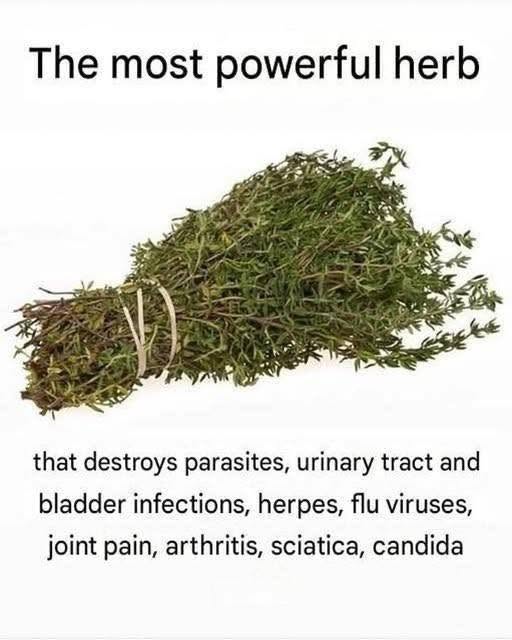
  • THE MOST POTENT HERB THAT DESTROYS PARASITES, URINARY TRACT

    THE MOST POTENT HERB THAT DESTROYS PARASITES, URINARY TRACT

    Oregano oil, derived from the fragrant leaves of the Origanum vulgare plant, has been used in natural medicine for hundreds of years. Ancient Greek and Roman physicians valued it for its cleansing and healing qualities, and over time, it became a trusted household remedy across many cultures. Modern research has confirmed much of what traditional healers observed long ago. This potent essential oil contains two primary compounds, carvacrol and thymol, which are largely responsible for its strong antimicrobial effects. Together, these substances give oregano oil its ability to fight bacteria, viruses, and fungi, making it a valuable tool for maintaining overall wellness.

    Antimicrobial and Antiparasitic Properties
    One of the most remarkable aspects of oregano oil is its broad antimicrobial power. Laboratory studies have shown that carvacrol and thymol can damage the outer membranes of harmful microorganisms, preventing them from multiplying or surviving. This action explains why oregano oil is often used as a natural remedy for infections of various kinds. Its potential goes beyond bacteria and viruses, extending into the realm of parasites. Research has revealed that oregano oil may help combat intestinal parasites such as giardia, pinworms, and certain types of roundworms. These organisms can interfere with digestion, cause fatigue, and block nutrient absorption. By helping cleanse the digestive tract, oregano oil can promote better nutrient uptake, reduce discomfort, and restore a sense of balance to the gut environment.

    Support for Digestive Health
    A healthy digestive system is crucial for maintaining energy and overall vitality. Oregano oil supports this by targeting harmful microbes that disrupt the natural bacterial balance of the intestines. When used properly, it can help reduce bloating, gas, and irregular bowel movements caused by bacterial overgrowth or mild infections. Some herbal practitioners also recommend it as part of a broader program to maintain gut health after travel, antibiotic use, or exposure to contaminated food or water. However, because the oil is very concentrated, it should never be taken directly without dilution. Even a few drops can have powerful effects, so guidance from a qualified professional is essential.

    Benefits for the Urinary Tract
    Beyond its benefits for digestion, oregano oil may also promote urinary tract health. The same antimicrobial compounds that make it effective against intestinal pathogens can help discourage the growth of bacteria that cause urinary tract infections. For people who experience recurrent infections, small amounts of properly diluted oregano oil may serve as a preventive measure under professional supervision. By reducing bacterial presence, it may lessen irritation and discomfort in the urinary system, offering a gentle but effective natural approach to support urinary wellness.

    Precautions and Safe Use
    Despite its many benefits, oregano oil must be used responsibly. Because it is extremely concentrated, it can cause skin irritation, stomach upset, or burning sensations if applied or consumed incorrectly. It should always be diluted in a carrier oil, such as olive or coconut oil, before being used on the skin. When taken internally, it should be mixed with water, honey, or another suitable carrier in very small amounts. Individuals with allergies to plants in the mint family should exercise extra caution. Pregnant or breastfeeding women, as well as people taking medications for chronic conditions, should not use oregano oil without medical advice. Overuse can disrupt the natural balance of beneficial bacteria in the gut and may irritate mucous membranes.

    Consulting a Professional
    Because each person’s body responds differently to essential oils, consulting a healthcare provider before beginning any new supplement routine is crucial. A professional can suggest safe dosage levels, evaluate possible interactions with medications, and determine whether oregano oil is suitable for your specific health needs.

    Conclusion
    Oregano oil is one of nature’s most potent antimicrobial agents, and its traditional uses are now supported by growing scientific evidence. When used correctly and in moderation, it can enhance digestive function, support urinary health, and strengthen the body’s natural defenses against harmful microorganisms. As with any strong natural remedy, respect for its potency and careful guidance from a qualified practitioner will ensure that its benefits are enjoyed safely. Through mindful and informed use, oregano oil can serve as a valuable ally in maintaining long-term health and balance.

  • Despite Being the ‘World’s Deadliest Food,’ 500 Million Still Consume It, and It Claims Over 200 Lives Annually

    Despite Being the ‘World’s Deadliest Food,’ 500 Million Still Consume It, and It Claims Over 200 Lives Annually

    Common Foods That Can Turn Dangerous if Not Prepared Properly

    Some everyday foods can be surprisingly dangerous—or even deadly—if not handled correctly. Cassava, a popular staple in South America, contains natural compounds that release cyanide. To make it safe to eat, it must be soaked and thoroughly cooked before serving.

    Starfruit is another hidden risk. While safe for most people, it contains neurotoxins that can be deadly for those with kidney disease. Even a small serving may trigger serious complications in vulnerable individuals.

    Cherry pits, bitter almonds, and apple seeds also contain cyanide-producing chemicals. Accidentally swallowing a few seeds is usually harmless, but eating large quantities can cause toxic effects.

    Green potatoes may look harmless but can produce solanine—a natural poison that forms when potatoes are exposed to light. Consuming them can cause nausea, vomiting, and in severe cases, nerve damage.

    Certain nuts and fruits pose similar dangers. Raw cashews and mango skin contain urushiol, the same irritant found in poison ivy, which can lead to painful allergic reactions for some people.

    Seafood lovers should be cautious with pufferfish, or fugu. This delicacy contains tetrodotoxin, one of the world’s deadliest poisons. Only specially trained chefs in Japan are licensed to prepare it safely.

    Even common spices can be risky. Nutmeg, when consumed in large amounts, contains psychoactive compounds that may cause hallucinations, dizziness, or seizures. Moderation is key when using it in cooking.

    Other plant-based foods such as elderberries, rhubarb leaves, and raw kidney beans also carry natural toxins that require proper cooking to neutralize. Awareness and careful preparation are essential to enjoy these foods safely—proving that even nature’s kitchen has its hidden dangers.

  • May God comfort the whole family, he was found deαd inside the R…

    May God comfort the whole family, he was found deαd inside the R…

    laugh and his habit of staying late just to lend a helping hand, was discovered lifeless in the river. As sirens cut through the heavy air and flashing lights danced against the dark water, the town was left to grapple with a sudden, agonizing void. Was it a tragic accident, or something much darker

    The shock has now settled into a heavy, aching stillness. In small, somber circles, neighbors and friends gather to share stories that have suddenly become sacred, holding onto the fragments of a life that was taken far too soon. Every memory, once casual and bright, now carries the weight of a final goodbye that no one was prepared to say.

    For those who knew him, the lack of answers is a wound that refuses to close. They remember his quiet generosity and the way he moved through the world with a sense of purpose that made others feel seen. Now, those same people find themselves suspended in a state of limbo,

    waiting for the authorities to piece together the final hours of a man who was, until yesterday, an inseparable part of their daily lives.

    Investigators are currently combing through every available lead, analyzing camera footage, scrutinizing timelines, and interviewing anyone who might have crossed his path in his final moments. While official reports remain cautious, offering only the standard refrain of “no conclusions yet,”

    the community is left to navigate a labyrinth of rumors and fear. In living rooms and at kitchen tables, the conversation always returns to the same haunting realization: it simply does not make sense.

    The tragedy has forced the town to confront the fragility of existence. When a life is cut short, the ripples of that loss touch everyone, turning familiar streets into reminders of what has been stolen. Yet, even in the depths of their grief, there is a collective resolve.

    They are not merely waiting for a police report; they are holding onto the love he left behind, determined that his story will not be defined by the mystery of his death, but by the warmth he brought to the world while he was here.

    As the investigation continues, the town remains united in its sorrow and its demand for clarity.

    They cling to the hope that the truth, however painful it may be, will eventually provide the closure they so desperately need. Until that day comes, they will continue to honor his memory, ensuring that the man who gave so much to others is not forgotten in the silence of the river.