What Is the Normal Blood Pressure for Each Age? A Complete Guide
Blood pressure is one of the most important indicators of cardiovascular health. It measures the force of blood pushing against artery walls as the heart pumps.
Although blood pressure can change with age, understanding healthy readings can help reduce the risk of heart disease, stroke, and other complications.
Understanding Blood Pressure Numbers
Blood pressure is measured using two numbers:
- Systolic pressure: The top number, measuring pressure when the heart beats.
- Diastolic pressure: The bottom number, measuring pressure when the heart relaxes.
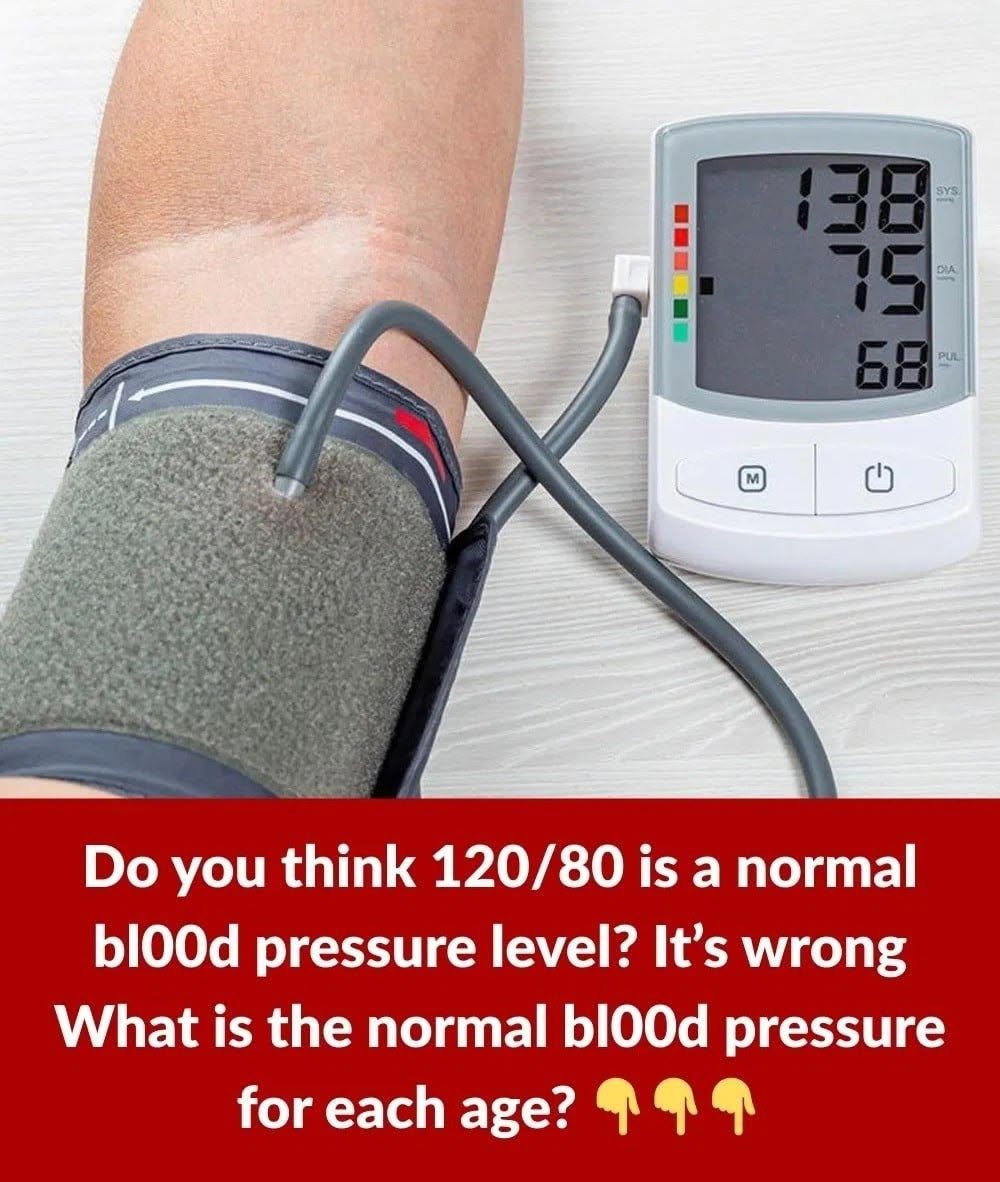
For example, a reading of 118/76 mmHg is considered normal for most adults.
Normal Blood Pressure by Age
According to the American Heart Association, normal blood pressure for adults is below 120/80 mmHg, regardless of age.
Here is a helpful age-based reference:
| Age Group | Normal Blood Pressure |
|---|---|
| Children 1–12 | Depends on age, sex, and height |
| Teenagers 13–17 | Below 120/80 mmHg |
| Adults 18–29 | Below 120/80 mmHg |
| Adults 30–39 | Below 120/80 mmHg |
| Adults 40–49 | Below 120/80 mmHg |
| Adults 50–59 | Below 120/80 mmHg |
| Adults 60–69 | Below 120/80 mmHg |
| Adults 70–79 | Below 120/80 mmHg |
| Adults 80+ | Below 120/80 mmHg |
Important: These are general classification thresholds, not individualized treatment targets. Older adults may have different treatment goals depending on their health conditions, medications, and risk of falls.
Blood Pressure Categories Explained
The American Heart Association classifies adult blood pressure into four main categories.
Normal Blood Pressure
A reading below 120 systolic and below 80 diastolic is considered normal.
Maintaining this level supports cardiovascular health.
Elevated Blood Pressure
A systolic reading between 120 and 129, with diastolic pressure below 80, is considered elevated.
Lifestyle improvements may help prevent progression to hypertension.
Stage 1 Hypertension
Readings of 130–139 systolic or 80–89 diastolic indicate stage 1 hypertension.
A healthcare professional may recommend lifestyle changes or medication depending on cardiovascular risk.
Stage 2 Hypertension
A systolic reading of 140 or higher, or diastolic pressure of 90 or higher, indicates stage 2 hypertension.
Medical evaluation and treatment are generally necessary.
Why Does Blood Pressure Change With Age?
As people age, arteries may become less flexible, contributing to higher systolic pressure.
Other contributing factors include physical inactivity, excess sodium intake, weight gain, genetics, and certain medical conditions.
However, high blood pressure should never be considered an unavoidable or harmless part of aging.
How to Maintain Healthy Blood Pressure
Several everyday habits can support healthy readings:
- Eat more vegetables, fruits, and whole grains.
- Limit sodium and highly processed foods.
- Exercise regularly.
- Maintain a healthy body weight.
- Avoid smoking and limit alcohol consumption.
- Get adequate sleep.
- Monitor blood pressure consistently.
For accurate home readings, sit quietly for five minutes, support your arm at heart level, and use a properly fitted upper-arm cuff.
When Should You Seek Medical Help?
A single elevated reading does not necessarily mean you have hypertension. Repeated measurements and professional evaluation are important.
If your blood pressure exceeds 180 systolic or 120 diastolic, repeat the measurement after at least one minute and seek immediate medical guidance if it remains that high. Call emergency services if you also experience chest pain, shortness of breath, weakness, vision changes, or difficulty speaking.
Final Thoughts
Knowing your blood pressure numbers is an important step toward protecting your long-term health.
While blood pressure patterns change throughout life, below 120/80 mmHg remains the normal classification for adults of all ages.
Regular monitoring, healthy habits, and appropriate medical care can help keep your heart and blood vessels healthier for years to come.