Blog

  • This visual test reveals your ‘worst flaw’ based on the first animal you see

    This visual test reveals your ‘worst flaw’ based on the first animal you see

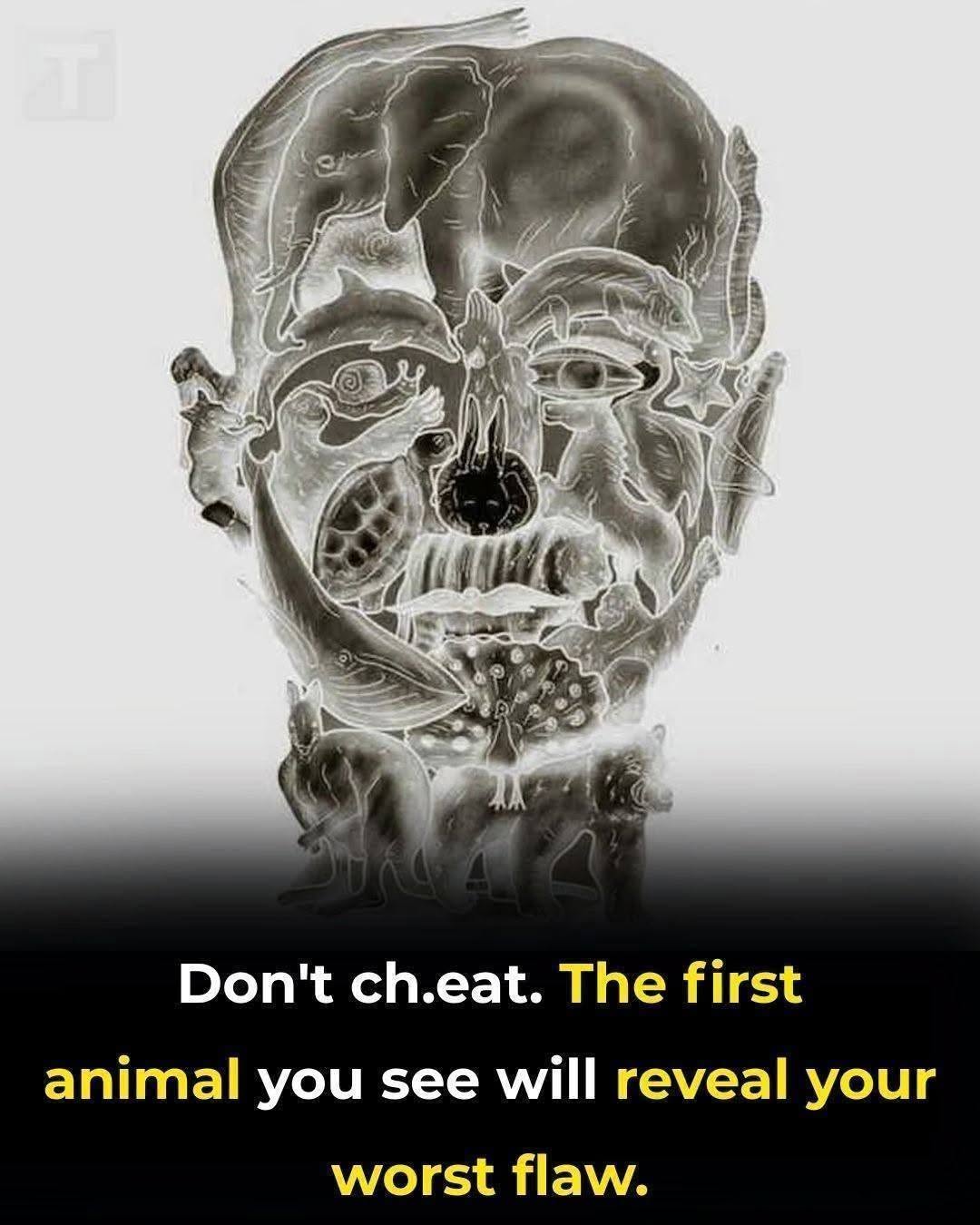
    An image circulating widely on social media claims to reveal your worst flaw based on the first animal you see. The illustration initially resembles a human face but contains numerous hidden animal figures.

    Viewers are encouraged to glance quickly and identify the first animal they notice—supposedly revealing a key personality flaw. Though these visual personality tests lack scientific backing, they’ve gained popularity for their entertainment value and ability to spark conversation.

    The test works by prompting observers to look at the image briefly and naturally note the first animal they recognize. Each animal is linked to a specific character trait: for example, seeing an elephant suggests stubbornness, while noticing an iguana points to emotional aloofness. A pig symbolizes indulgence, the cricket represents anxiety, and a horse implies pride. Other animals like the dolphin (impulsiveness), bear (rigidity), or fox (avoidance) round out a diverse set of possible flaws.

    More animals and their symbolic traits include the rabbit (insecurity), toucan (need for attention), kangaroo (inconsistency), and peacock (vanity). A turtle may indicate excessive caution, while seeing a whale could imply emotional isolation.

    Other interpretations: gorilla (dominance), duck (mood swings), starfish (escapism), snake (manipulation), sloth bear (procrastination), bird (instability), and snail (resistance to change). These attributions are meant to be light-hearted and provoke reflection or laughter, not psychological diagnosis.

    The appeal of these tests lies in their simplicity, the element of surprise, and the social interaction they inspire. They’re easy to share and fun to discuss with others. Many people are curious about how small details might “reveal” hidden truths about themselves, even if it’s just for amusement.

    Ultimately, while these tests don’t offer genuine psychological insights, they’re harmless fun when viewed with a sense of humor.

    They can offer a moment of introspection or simply a laugh with friends. Real personality and growth are far more nuanced—but if this viral illusion encourages self-reflection or social bonding, then it’s doing something positive in its own quirky way.

  • Sleeping Drool Could Reveal Hidden Health Issues You Might Be Missing

    Sleeping Drool Could Reveal Hidden Health Issues You Might Be Missing

    Drooling during sleep is common and usually harmless. It happens when saliva builds up and isn’t swallowed, often due to sleep position, relaxed muscles, or mouth breathing.

    Sleeping on your side or stomach makes drooling more likely, as gravity allows saliva to flow outward. Deeper sleep stages also relax facial muscles, reducing the body’s ability to keep saliva in.

    Other factors can contribute, including allergies, nasal congestion, or certain medications that affect saliva production or control. In most cases, occasional drooling is completely normal.

    However, frequent or excessive drooling—especially with symptoms like choking, sore throat, or daytime fatigue—may point to conditions such as Sleep Apnea and should be evaluated by a professional.

    Cultural views on drooling vary. Some see it as embarrassing or humorous, while others associate it with deep, restful sleep. In infants, it’s often linked to development and growth.

    From a biological perspective, drooling can signal relaxation. Saliva supports digestion and oral health, and overflow during sleep may indicate the body feels safe enough to fully relax.

    Psychologically, it may reflect comfort, trust, or reduced self-awareness during rest. Media often exaggerates drooling for humor, shaping how people perceive it socially.

    Overall, drooling is a simple but meaningful bodily function, influenced by physical, cultural, and psychological factors, and rarely a cause for concern unless persistent or severe.

  • The Ring You Choose May Reveal More About Your Personality Than You Think

    The Ring You Choose May Reveal More About Your Personality Than You Think

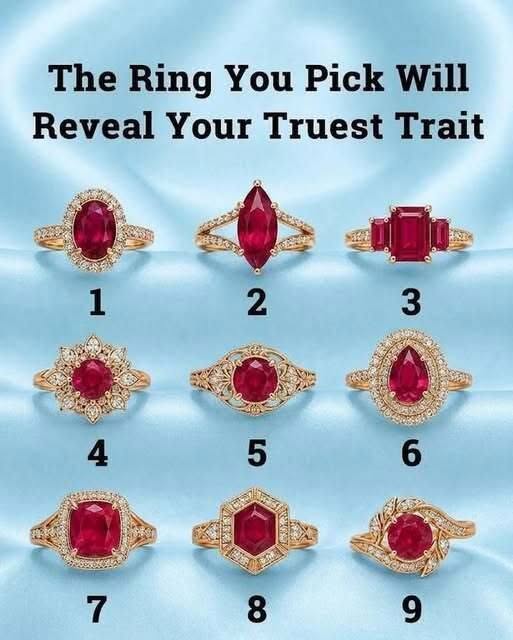
    Choose one of the nine purple gemstone rings and discover the personality trait associated with your selection. Each ring represents a different quality, such as dependability, peace, confidence, leadership, independence, or ambition.

    The idea is simple: look at all nine designs and notice which ring immediately catches your attention. Once you make your choice, you can read the description connected to that particular gemstone.

    Some rings represent calm and dependable personalities, suggesting people others can trust and rely on. Others symbolize peace and harmony, reflecting individuals who value balance and prefer avoiding unnecessary conflict.

    Several choices are associated with confidence and leadership. These descriptions may suggest someone who feels comfortable taking charge, making decisions, and guiding others when important situations arise.

    Other rings represent stronger and more ambitious qualities. They may describe people who are determined, bold, independent, competitive, and motivated to accomplish meaningful goals.

    Your result might feel surprisingly accurate, or it may simply describe a quality you admire or hope to develop. The purpose is less about proving something scientifically and more about seeing which description resonates with you.

    For the most enjoyable result, trust your first reaction instead of spending too much time analyzing every design. Sometimes the ring you instinctively choose can reveal something interesting about your preferences.

    Most importantly, remember that this is only a playful personality quiz. The descriptions are intended for entertainment, not as a serious psychological assessment. There is no right or wrong choice.

    So take a moment to examine the nine purple gemstones, choose the one that stands out to you most, and then discover the personality trait associated with your selection. Enjoy the result and see whether it feels like you.

  • If You Always Sleep With a…, Pay Attention to These Possible Effects

    If You Always Sleep With a…, Pay Attention to These Possible Effects

    For many people, the last thing they see before sleep is their phone. Scrolling, watching videos, or replying to messages has become a nightly routine that feels harmless but may be affecting sleep more than expected.

    Experts warn that using a phone at night can interfere with the body’s natural sleep cycle. What seems like a quick check can quietly delay rest and reduce overall sleep quality.

    A major reason is blue light from screens. The body relies on a natural rhythm that increases melatonin in the evening, helping you feel sleepy and ready for rest.

    When exposed to bright screens, the brain can mistake it for daylight. This reduces melatonin production and makes it harder to fall asleep, even if you feel tired.

    Many people experience this without realizing it. A few minutes on the phone can turn into an hour, leaving the mind active instead of relaxed.

    Even after putting the phone down, the effects can continue. Notifications, vibrations, or simply knowing the phone is nearby can keep the brain alert during the night.

    This can lead to lighter sleep, frequent wake-ups, and feeling tired the next day. Over time, poor sleep may affect mood, focus, and overall well-being.

    Creating distance from your phone before bed can improve sleep. Simple habits like limiting screen time or keeping the phone away from the bed can help restore a healthier night routine.

  • The Quiet Night I Sat Alone And Taught My Family What Respect Costs

    The Quiet Night I Sat Alone And Taught My Family What Respect Costs

    Theo stopped the band and announced that he needed to speak with the host. He explained that the discount previously offered for the event had been withdrawn by the restaurant’s owner, meaning Landon would receive the full invoice at the end of the evening. When Brielle questioned which owner he meant, Theo pointed toward Margot, who had quietly entered the room. The guests were stunned to learn she had built the restaurant.

    Margot revealed that twenty-two years earlier, she and her late husband had signed the lease for a tiny six-table café. She had baked bread every morning while working tirelessly to build the business into what it had become. Every detail of the restaurant, from the plates to the lighting and atmosphere, had grown from her efforts. Yet she had never told her son Landon how successful the business had become because he had never asked.

    Margot explained that she had attended the dinner simply because she was invited, and she had sat exactly where she was placed. Despite the humiliation, she insisted that every guest would still receive dinner because none of them had written the cruel note. She then told Landon that she had never needed gratitude for the $650 she had given him. What she had wanted was simply a place at his table.

    Landon quietly admitted that remaining silent for five years had been easier than openly choosing his mother. Margot told him she understood, but reminded him that choosing what was easier created a debt that someone eventually had to pay. She then calmly sat at the head table, occupying the chair that had been prepared for someone else.

    At the end of the evening, Theo handed Landon the full invoice. Landon accepted it without complaint and paid the amount himself over the following eight months, refusing anyone’s offer to help. Brielle also wrote Margot a sincere letter, becoming the first truly honest gesture she had ever offered her. Margot kept the letter as a reminder that the painful evening had finally produced something genuine.

    Today, Landon and Brielle visit Margot’s table every Sunday. Brielle brings homemade bread that is poorly baked but proudly carried, showing that she now values the relationship. The foyer table where Margot had once been seated remains near the coat check. Sometimes Margot walks past it, but she no longer feels diminished by having sat there. She understands that her worth was never determined by where others placed her.

  • Found Crying On The Playground

    Found Crying On The Playground

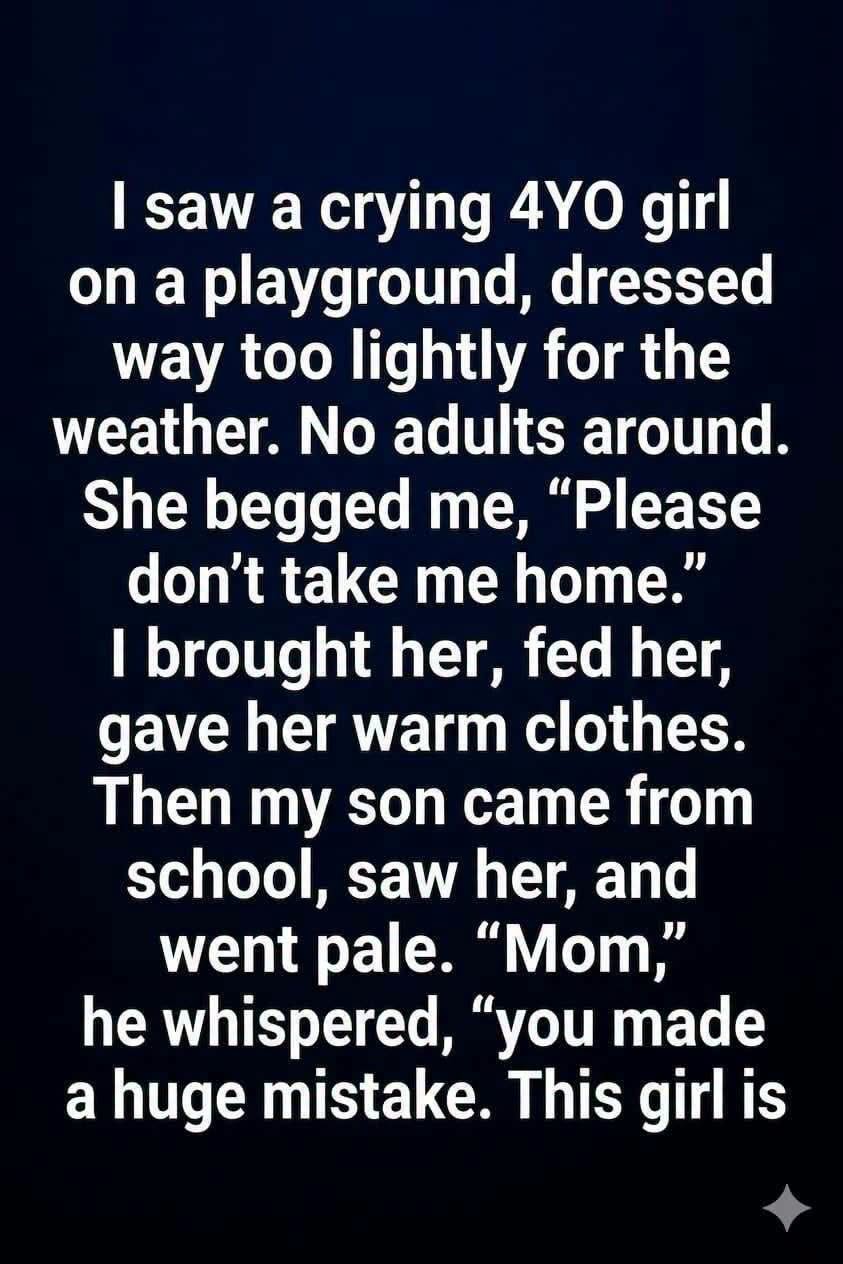
    Emma was crying in the cold, terrified of the place meant to keep her safe. Her grandmother was gone, and as she stood alone on that playground, I made a promise without knowing what it would demand. Before she could feel secure again, we would face months of paperwork and waiting, all for the chance to give her shel… Continues…

    When I first listened to Emma, I understood that losing her grandmother had left her facing more than grief. She was struggling in an orphanage and frightened to return. I could not resolve everything that afternoon, but I was determined to help. The path forward involved formal procedures, legal requirements, and a wait that stretched across months. Eventually, those steps led to a life-changing outcome: Emma was officially welcomed into our family.

    The documents confirmed her place with us, but the quieter changes showed what that belonging meant. Emma has not begun calling me “Mom,” and she does not need to rush toward that word. Her smiles reveal a comfort that was missing when we met. At night, she sleeps peacefully beneath our roof. For me, those moments matter more than any title. The child who once feared returning home now has somewhere she can rest and begin to heal.

  • Affordable Brick Home on Nearly Seven Acres with Creek Frontage and Seller Financing Available

    Affordable Brick Home on Nearly Seven Acres with Creek Frontage and Seller Financing Available

    This brick fixer-upper in Pinsonfork, Kentucky offers a rare opportunity for buyers looking for land, privacy, and renovation potential in a rural setting.

    Set on nearly seven acres, the property gives you room to create a homestead, weekend retreat, rental project, or quiet country residence.

    The home offers a solid brick exterior and a metal roof, giving the next owner a strong starting point for improvements.

    Inside, the house provides generous square footage with space to redesign, repair, and bring your own vision to life.

    A creek runs alongside the property, adding natural charm and giving the land a peaceful Appalachian feel.

    The surrounding area offers a quiet country atmosphere, ideal for someone who enjoys privacy, outdoor space, and mountain-region living.

    This property is best suited for a buyer who understands renovation work and can see the value beyond its current condition.

    Seller financing may make this opportunity even more flexible for the right buyer.

    With land, creek frontage, and a fixer-upper home, this property has strong potential for someone ready to invest time and creativity.

    For more information, please contact the listing agent through the Zillow link below the photos.

  • Can You SEE the Hidden Figure Blending Into This Winter Scene?

    Can You SEE the Hidden Figure Blending Into This Winter Scene?

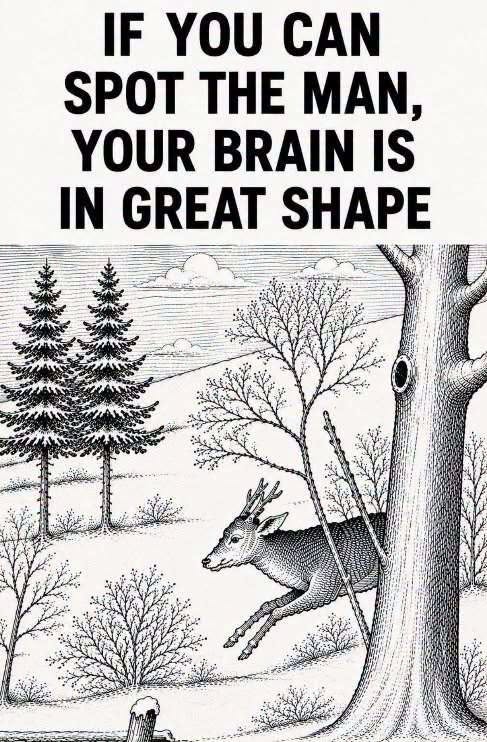
    At first glance, the winter landscape looks simple. Snow covers the ground, tall trees fill the background, and a deer immediately catches your attention. But hidden among the trunks, branches, shadows, and open spaces is the suggestion of a human face.

    The deer is an obvious distraction because its shape is easy to recognize. Once your attention settles on it, the surrounding trees become background details. Yet those details are exactly where the hidden image may be hiding.

    Instead of asking, “What objects can I see?” try asking, “What shapes can I see?” Examine the tree trunks, branches, shadows, and spaces between them. Sometimes the negative space forms just as much of the hidden picture as the objects themselves.

    A tree trunk may look ordinary on its own, while a dark patch may seem like nothing more than a shadow. When several shapes are viewed together, however, they can create an entirely different pattern that resembles a human face.

    If you cannot find it immediately, change your focus. Look at the image from farther away, narrow your eyes slightly, or stop concentrating on individual branches. Try to see the overall arrangement rather than every small detail.

    Suddenly, your brain may connect the separate shapes. One moment you see nothing but trees and snow; the next, a face seems to emerge from the forest. This sudden change in perception is what makes hidden-image puzzles so satisfying.

    The trick is not that the face was invisible—it was there all along. Your brain simply interpreted the shapes as parts of a forest instead of combining them into a recognizable figure.

    So look beyond the deer and scan the entire scene again. Once you finally spot the hidden face, you may find yourself wondering how you could have missed it in the first place.

  • Can You Find the Hidden Figure Blending Into This Winter Scene?

    Can You Find the Hidden Figure Blending Into This Winter Scene?

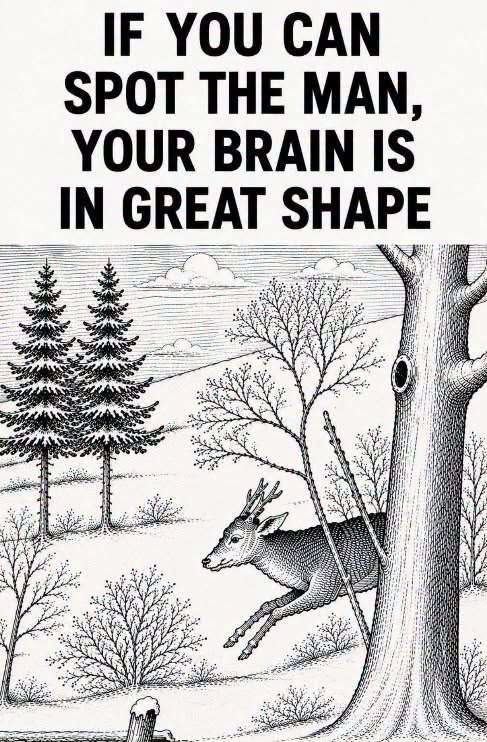
    At first glance, the winter landscape looks simple. Snow covers the ground, tall trees fill the background, and a deer immediately catches your attention. But hidden among the trunks, branches, shadows, and open spaces is the suggestion of a human face.

    The deer is an obvious distraction because its shape is easy to recognize. Once your attention settles on it, the surrounding trees become background details. Yet those details are exactly where the hidden image may be hiding.

    Instead of asking, “What objects can I see?” try asking, “What shapes can I see?” Examine the tree trunks, branches, shadows, and spaces between them. Sometimes the negative space forms just as much of the hidden picture as the objects themselves.

    A tree trunk may look ordinary on its own, while a dark patch may seem like nothing more than a shadow. When several shapes are viewed together, however, they can create an entirely different pattern that resembles a human face.

    If you cannot find it immediately, change your focus. Look at the image from farther away, narrow your eyes slightly, or stop concentrating on individual branches. Try to see the overall arrangement rather than every small detail.

    Suddenly, your brain may connect the separate shapes. One moment you see nothing but trees and snow; the next, a face seems to emerge from the forest. This sudden change in perception is what makes hidden-image puzzles so satisfying.

    The trick is not that the face was invisible—it was there all along. Your brain simply interpreted the shapes as parts of a forest instead of combining them into a recognizable figure.

    So look beyond the deer and scan the entire scene again. Once you finally spot the hidden face, you may find yourself wondering how you could have missed it in the first place.

  • The Afternoon I Stood Quietly On My Own Lawn And Finally Understood What Respect Means And What Silence Can Protect

    The Afternoon I Stood Quietly On My Own Lawn And Finally Understood What Respect Means And What Silence Can Protect

    Officer Brennan read the screen aloud for the camera. The transfer was exactly two dollars, sent from my account to my father’s, with a memo that read, “Paid in full.” Nothing had been stolen from Ramon Castillo. He had received precisely what he demanded, along with the final entry in a private ledger he never knew I had kept. When the officer asked what money had supposedly been taken, my father insisted the transfer was meant to insult him. Brennan calmly replied that an insult was not a felony—and his body camera had recorded everything.

    The neighbors remained in their doorways, silently watching. My father’s familiar smirk had disappeared. For the first time, he looked like a man who had run out of people willing to applaud him. I didn’t need to argue or raise my voice. The evidence spoke for itself, and that was enough.

    The two dollars had never really been about money. I thought about standing in my dress blues outside that venue in San Diego, smiling through the four empty pews where my family should have been. I remembered every transfer I had sent to cover Julian’s mistakes, each one described as a “family responsibility” and then conveniently forgotten.

    For sixteen years, I had been told I was only “playing soldier” by the same man whose approval I secretly continued to crave. The words “Paid in full” weren’t written to hurt him. They were written for me. They meant I was finally closing an account I had spent years funding with my own hope, loyalty and forgiveness.

    The weeks afterward were surprisingly orderly. Officer Brennan took my statement, and my father was cited for filing a false report. Base security connected the Gate 2 incident with the letter that had been preserved as evidence, and the judge granted the restraining order without drama. Nobody on that lawn needed me to shout. The facts were enough.

    My father’s reputation as a respected principal began to fade quietly once the evidence was placed in an official file. My mother called me late one night and apologized for not being braver. I told her I believed her. It wasn’t about punishing her anymore. I was finally learning that understanding someone’s weakness didn’t require me to keep suffering because of it.

    Ethan and I celebrated our first anniversary on the deck of a small rental near the water, with his mother laughing at the head of the table. At my next military ceremony, I wore my medals proudly. They belonged to me, and I no longer felt the need to explain what they represented or prove their worth to anyone.

    Julian eventually sent me a short, imperfect letter that asked for nothing. I answered kindly, but I didn’t rush to rebuild what had been broken. I had learned something I wished I had understood years earlier: love should never arrive disguised as an invoice. And peace isn’t something you win from the people who hurt you. Peace is what remains when you finally stop paying them.