Category: Uncategorized

  • Chapter 1: THE LITTLE GIRL AND THE GIANT BIKER

    Chapter 1: THE LITTLE GIRL AND THE GIANT BIKER

    By the time Claire Whitman shouted her daughter’s name, the five-year-old had already thrown both arms around the leg of the most intimidating man at the Kentucky gas station.

    And when the enormous biker, his powerful arms covered in tattoos, lowered his gaze toward her, something happened that caused everyone nearby to fall completely silent.

    His hands started shaking.

    The color drained from his face.

    And tears unexpectedly gathered in the eyes of a man who appeared far too tough to be frightened by anything.

    What none of the witnesses at that gas station understood, however, was that this little girl’s innocent approach had brought her directly into a mystery that had remained hidden for five long years.

    A mystery surrounding a tragic accident, a father’s overwhelming guilt, and a young woman’s final act of compassion that had never been fully understood.

    It was a mystery that would eventually bring three strangers face-to-face with one remarkable question.

    Could someone who was no longer alive still find a way to reunite the people who loved them?

    That morning had started like countless others along a crowded section of Interstate 75.

    The early sunshine spread across the paved grounds of Hollow Creek Travel Plaza, lighting up the fuel pumps, pickup trucks, commercial vans, and motorists who had stopped for coffee before getting back on the highway.

    A light autumn breeze carried the odors of diesel, fresh coffee, and rain-soaked leaves drifting from the surrounding Kentucky countryside.

    Claire had driven into the station a little after nine o’clock.

    At thirty-two, she had shoulder-length blonde hair, weary blue eyes, and the cautious manner of a woman who had spent years learning that ordinary moments were not something to take for granted.

    Her little girl, Junie, was five.

    Junie had wide brown eyes, freckles scattered over her small nose, and an almost limitless desire to explore everything around her.

    She wore a soft pink T-shirt, denim shorts, and a pair of sneakers that flashed brightly whenever her feet moved.

    Claire was holding her daughter’s hand while searching through her purse for her wallet.

    That was the only opportunity Junie needed.

    A brief distraction.

    Tiny fingers sliding out of her mother’s grasp.

    And the child was suddenly running.

    Claire turned around just in time to watch Junie hurry between two parked vehicles.

    “Junie!” she yelled, panic sharpening her voice.

    But the little girl didn’t appear to hear her.

    Something had captured her attention beside a black motorcycle parked at Pump Seven.

    A man stood there.

    An enormous man.

    He was nearly six feet five inches tall, with exceptionally broad shoulders, powerful tattoo-covered arms, a thick dark beard, and a shaved head.

    His weather-beaten face looked stern beneath his sunglasses, his black leather vest showed the wear of many years, and his heavy boots made him appear even more imposing.

    Other travelers had been deliberately keeping their distance.

    The man’s name was Everett Knox.

    He was forty-four.

    And for nearly five years, he had refused to let another human being see him cry.

    Junie ran straight toward him.

    Everett had just picked up the fuel nozzle when he heard the rapid patter of small sneakers against the pavement.

    He turned his head.

    A little girl was standing directly before him, her face lifted with an expression of pure fascination.

    Before Everett could say anything, she extended her hand and gave his leather pants a gentle tug.

    “Mister?” she said.

    Everett blinked in surprise.

    He slipped off his sunglasses.

    “Yes, sweetheart?”

    Junie tipped her head to one side.

    “Are you a bear?”

    The innocent question affected Everett as though someone had struck him.

    His grip tightened around the nozzle.

    For several seconds, the noises of passing cars, running engines, and people talking seemed to vanish.

    Claire was already rushing toward them.

    “Junie!

    Stay away from that man!”

    Yet Everett scarcely registered her words.

    He was looking into the little girl’s eyes.

    There was something about the solemn innocence of her expression, the way she had asked the question, and those four simple words that unlocked a part of him he had spent years desperately trying to shut away.

    He carefully replaced the nozzle on the pump.

    Then he sank down onto one knee.

    “What kind of bear are you trying to find?” he asked.

    Junie gave the matter a moment of serious thought.

    “A nice bear.”

    A faint movement crossed Everett’s mouth.

    Perhaps it was the beginning of a smile.

    He raised one huge hand, curved his fingers into something resembling a paw, and made the softest growling sound he could manage.

    “Grrr.”

    Junie burst into joyful laughter.

    “You ARE a bear!”

    Without another moment of hesitation, she wrapped her arms around his leg.

    The most imposing man at the station stood perfectly still while the tiniest person there hugged him as tightly as she could.

    Claire reached them moments later.

    She was breathing hard, her cheeks burning with embarrassment.

    “Oh, goodness.

    I’m terribly sorry,” she said, reaching toward Junie’s shoulder.

    “She doesn’t usually run up to people she doesn’t know.

    I truly have no idea what came over her.”

    Everett remained silent.

    He continued looking at Junie.

    Claire noticed the tension in his jaw.

    Then she noticed something else.

    His eyes were wet.

    “Sir?” she asked uncertainly.

    Everett struggled to swallow.

    “Please, don’t apologize.”

    His voice was surprisingly rough and vulnerable.

    Junie was still holding his leg, oblivious to the powerful feelings her question had stirred.

    Everett lowered his large hand toward her shoulder, then hesitated before making contact.

    “She asked me whether I was a bear,” he murmured.

    Claire offered him a hesitant smile.

    “She’s been very interested in bears recently.”

    Everett gave a small nod, although he seemed distracted.

    Then he spoke again, and Claire’s smile immediately faded.

    “My little girl used to ask me that very same question.”

    His eyes shone with tears.

    “Whenever I came home from work, she’d race to the front door and ask if I was a bear.”

    He attempted a smile.

    Instead, his voice faltered.

    “Before she passed away.”

    Claire became motionless.

    For an instant, she had no idea how to respond.

    “I’m so sorry,” she whispered.

    Everett shook his head.

    “No, please.

    You couldn’t have known.”

    He looked down at Junie once more.

    The little girl had let go of his leg and was now examining his face with unexpected concern.

    “Why are your eyes all wet, Mr.

    Bear?”

    Everett released an uneven breath.

    “Sometimes bears feel sad, sweetheart.”

    Junie furrowed her brow.

    Then she reached into her pocket and pulled out a slightly worn little handkerchief covered in yellow stars.

    She offered it to him.

    “My mommy says crying is okay.”

    Everett stared at the small square of fabric.

    For one awful moment, he couldn’t make himself move.

    Finally, he accepted it.

    “Your mommy sounds very wise.”

    Junie nodded with conviction.

    “She is.

    But sometimes she gets sad, too.”

    Claire’s expression shifted.

    “Junie, sweetheart—”

    “Mostly when she thinks I’m sleeping.”

    The child’s words left both adults facing something neither had expected to reveal.

    Everett lifted his eyes toward Claire.

    She quickly looked elsewhere.

    Only then did he recognize the sorrow hidden behind her embarrassed smile.

    It wasn’t merely the fatigue of a mother looking after a small child.

    It was a deeper sadness.

    An old wound she had grown accustomed to hiding.

    Everett folded the handkerchief into his palm.

    “Thank you, little bear.”

    Junie’s face lit up.

    “You’re welcome, big bear.”

    Claire reached for her daughter’s hand.

    As Junie turned, Everett noticed an object dangling from the zipper of her little backpack.

    A tiny brass bear.

    One of its ears was bent.

    Its metal surface was darkened from years of handling.

    And there was a faint engraving across its belly.

    Everett suddenly stopped breathing.

    He recognized that bear.

    Or at least, he recognized one that looked exactly like it.

    Five years earlier, an identical charm had been attached to his daughter’s motorcycle keys on the final morning of her life.

    He stepped forward without thinking.

    “Where did you get that?”

    Claire turned toward him.

    “Excuse me?”

    Everett gestured at the backpack.

    “That little bear.

    Advertisement

    Where did it come from?”

    Junie immediately held the charm up.

    “This one?”

    Everett nodded.

    “My auntie gave it to me.”

    Claire’s expression grew tense.

    “Junie, honey, let’s go.

    We need to get inside.”

    But Everett could not take his eyes off the small brass figure.

    He remembered a tiny scratch running across its left paw.

    The location was identical.

    The mark looked identical.

    And when the charm turned in the sunlight, he caught sight of a few letters etched into its back.

    Three short words.

    BE BRAVE, BEAR.

    His legs suddenly felt weak.

    “Could I look at it?” he asked.

    Claire paused.

    But Junie had already removed the charm and dropped it into his open hand.

    Everett turned the tiny object over.

    There was the inscription.

    Exactly as he remembered it.

    He had made that bear for his daughter.

    He had given it to her on her seventh birthday.

    He had engraved those words himself at their kitchen table, working beneath a flickering lamp while she slept upstairs.

    She had carried it almost everywhere throughout the years.

    And now it had appeared on another child’s backpack, at the very station where Everett had stopped on the anniversary of his daughter’s passing.

    He raised his eyes toward Claire.

    “Where did this actually come from?”

    He spoke quietly, but something about his expression made Claire uneasy.

    “I already explained.

    Her aunt gave it to her.”

    “Which aunt?”

    Claire instinctively moved Junie closer.

    “Why are you asking?”

    Everett opened his palm, showing her the little brass bear.

    “Because I made this.”

    Claire stared at him.

    Cars continued passing on the highway.

    A vehicle door slammed nearby.

    Someone started a truck engine.

    Neither Claire nor Everett seemed aware of any of it.

    His voice became quieter.

    “I made this for my daughter nineteen years ago.”

    Claire’s eyes grew wide.

    “That can’t be possible.”

    “Why?”

    Her gaze moved from the charm to Junie, then back to Everett.

    “Because that bear came from the night my daughter was born.”

    The story isn’t over yet. Select “Next Part” below to see what happens next.
  • Can You Actually Go to Jail for Collecting Rainwater?

    Can You Actually Go to Jail for Collecting Rainwater?

    I once wondered if collecting rainwater was illegal, after hearing alarming stories about water rights and an Oregon man who went to jail.
    In reality, a small rain barrel collecting rooftop runoff is usually very different from building dams or reservoirs that capture natural waterways.
    Gary Harrington’s Oregon case involved large reservoirs and disputed water rights—not simply placing barrels under his gutters.
    The lesson is simple: rain barrels are generally harmless, but check local regulations before building larger systems that store or redirect natural water…READ MORE BELOW

  • Forgotten Laundry Tool From the Past Suddenly Has Everyone Talking

    Forgotten Laundry Tool From the Past Suddenly Has Everyone Talking

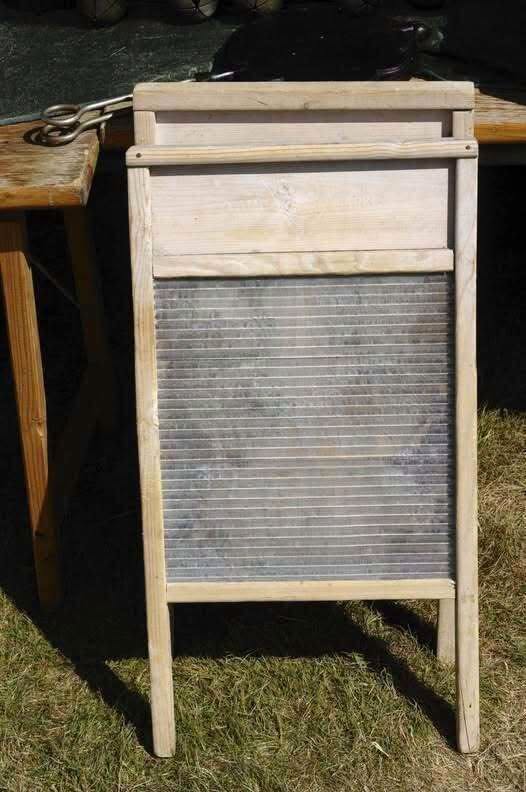
    At first glance, it looked like nothing more than a strange, rusty metal machine sitting among dusty picture frames, broken dishes, and forgotten tools at a crowded yard sale. Most people walked past without noticing it. Others stopped briefly, wondering what purpose such an unusual contraption could possibly serve. Yet for older generations, it brought back memories of a completely different way of life.

    The mysterious object was an old-fashioned laundry wringer, a household tool that once played an essential role in homes across America and many other parts of the world. Before modern washing machines and electric dryers became common, doing laundry was an exhausting responsibility that required hours of physical work. This simple machine helped make one of the hardest household chores slightly easier.

    In the late nineteenth and early twentieth centuries, laundry day was a major undertaking. Clothes were soaked, scrubbed by hand, boiled in large tubs, and rinsed several times. Once clean, they had to be squeezed before being hung outside to dry. The wringer accomplished this by pulling wet clothing between two heavy rollers, forcing excess water out of the fabric.

    Its design was surprisingly simple but effective. Most models featured a sturdy metal frame, rotating rollers, and a hand-operated crank. Some were attached directly to wooden washing tubs, while others stood independently. Many were made from cast iron, which explains why so many have survived decades of storage in barns, basements, and garages.

    However, operating these machines required caution. Fingers could become trapped between the powerful rollers, making them particularly dangerous for curious children. Despite these risks, families depended on them because washing and drying clothes without assistance required considerable time and strength.

    As electricity became more widely available, automatic washing machines gradually replaced traditional wringers. Laundry became faster, easier, and less physically demanding. What once occupied an entire day could eventually be completed with the push of a button. The old machines slowly became forgotten reminders of domestic life.

    Today, antique laundry wringers attract collectors, history enthusiasts, and people interested in traditional craftsmanship. Some restore them for display, while others continue using them in rural households. Their durability and practical design demonstrate how earlier generations valued equipment that could last for decades rather than being quickly replaced.

    Ultimately, an old laundry wringer is much more than a forgotten household appliance. It represents the hard work of parents and grandparents, the countless hours spent caring for families, and the everyday routines that shaped previous generations. Every scratch and worn handle tells a silent story. Sometimes, the most ordinary objects offer the most fascinating glimpse into the past.

  • What Color Is Snow Really? The Answer Might Surprise You

    What Color Is Snow Really? The Answer Might Surprise You

    Although winter snow looks brilliantly white, the individual ice crystals forming it are actually completely transparent and contain no pigment whatsoever.When sunlight strikes a snowpack, the light bounces endlessly between countless tiny ice surfaces, scattering all visible wavelengths of light in roughly equal amounts so our eyes interpret the result as white.While deeper snow allows more red light to be absorbed—sometimes creating a subtle blue tint in cavities—environmental factors like dim skies or surface materials can similarly shift its overall hue.Ultimately, snow appears white not because of its intrinsic material, but due to the complex optical way countless clear crystals capture and scatter sunlight.

  • Remembering Sean Connery at 87: The Timeless Legacy of a Hollywood Legend

    Remembering Sean Connery at 87: The Timeless Legacy of a Hollywood Legend

    Few actors have left such a lasting impression on cinema as Sean Connery. Known for his distinctive voice, commanding presence, and unforgettable performances, he became one of Hollywood’s most recognizable stars, inspiring generations of movie lovers.

    Although Connery passed away in October 2020 at the age of 90, his legacy continues to attract attention. An imagined scene depicting him walking through Manhattan in 2026 has recently sparked nostalgia among fans who still admire his remarkable career.

    Connery achieved international fame in 1962 when he portrayed James Bond in Dr. No. His confidence, sophistication, humor, and natural charisma helped establish the legendary secret agent’s identity on the big screen.

    Over the years, he appeared in seven James Bond films, creating a portrayal that influenced every actor who followed. For many viewers, Connery remains the definitive Bond, representing the elegance and excitement associated with the famous franchise.

    However, his acting achievements extended far beyond secret-agent adventures. In 1987, Connery delivered an acclaimed performance as veteran police officer Jim Malone in The Untouchables, earning the Academy Award for Best Supporting Actor.

    He also starred in memorable productions such as Indiana Jones and the Last Crusade, The Hunt for Red October, and The Rock. These performances demonstrated his versatility and ability to captivate audiences across different film genres.

    Connery’s unmistakable voice and charismatic personality made his characters instantly recognizable. His films continue to entertain longtime admirers while introducing younger audiences to classic cinema. For many fans, revisiting his performances brings back cherished memories of unforgettable movie experiences.

    Although the imagined Manhattan appearance is fictional, it reflects the affection audiences still feel for him. Connery’s influence does not depend on new photographs or public appearances. His legacy lives through the characters he portrayed and the cinematic history he helped create. Even years after his passing, Sean Connery remains a celebrated Hollywood legend whose remarkable contributions to film will continue inspiring future generations.

  • The Candlelight Dinner Mystery: Spot 1 Difference.

    The Candlelight Dinner Mystery: Spot 1 Difference.

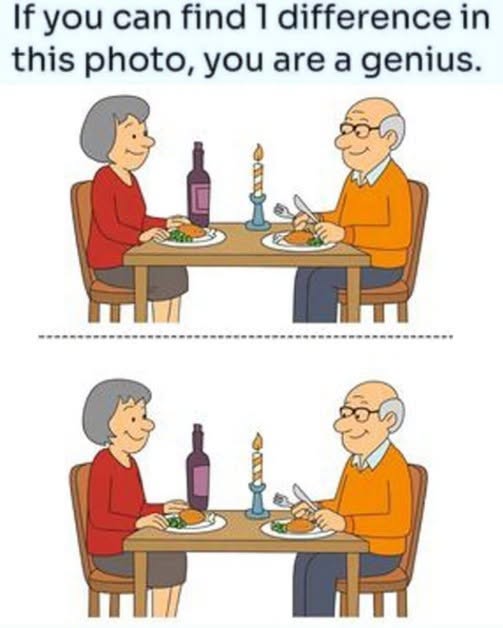
    This charming spot-the-difference puzzle challenges players to compare two nearly identical scenes of an elderly couple sharing a romantic candlelit dinner and uncover the single subtle detail that has changed.To solve the visual test, carefully inspect the couple’s expressions and clothing—including her red sweater and his orange pullover—before examining every item across the wooden dining table, from the plates and wine bottle to the glowing candle.Beyond simple entertainment, these engaging visual challenges offer a rewarding mental workout that sharpens concentration, patience, and pattern recognition for players of all ages.Once you spot the hidden change, share the puzzle with friends and family to see who has the sharpest eye and can solve the mystery first!

  • My Adoptive Mother Seemed Cold for Years, Until She Took Me to a Grave on My Eighteenth Birthday

    My Adoptive Mother Seemed Cold for Years, Until She Took Me to a Grave on My Eighteenth Birthday

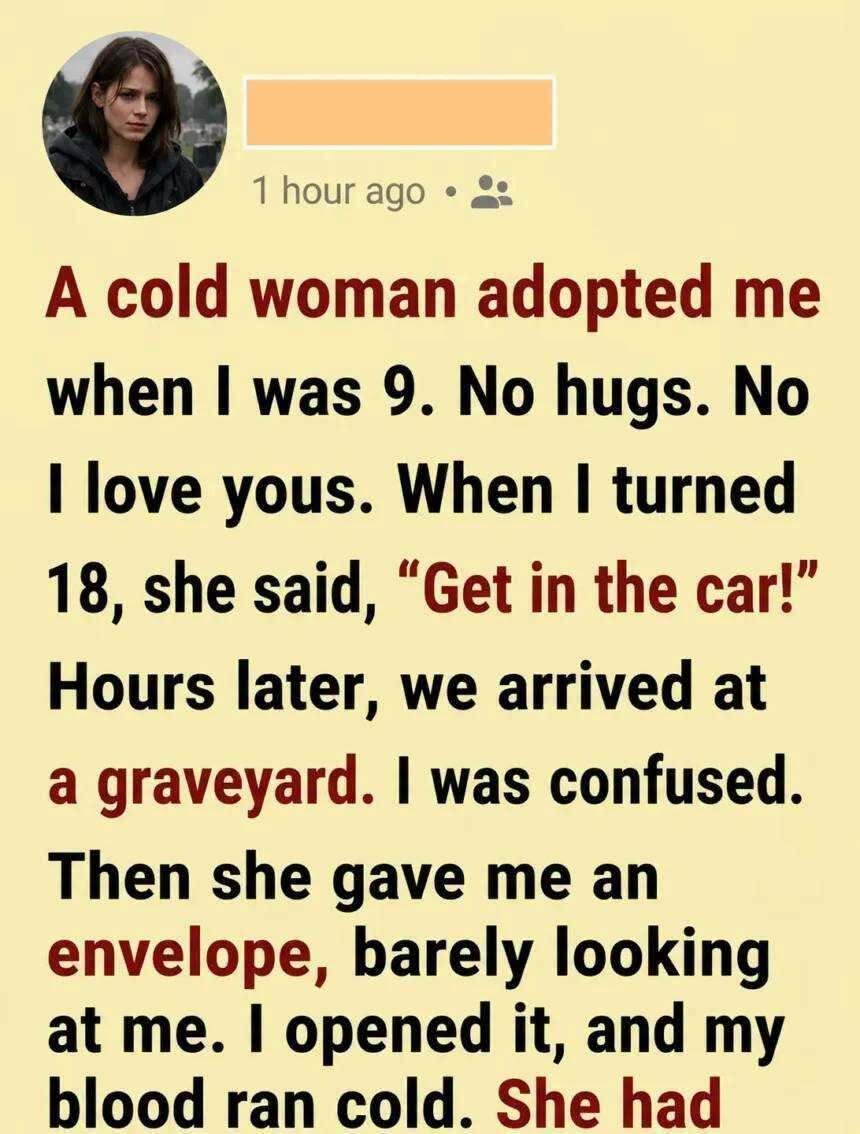
    Growing up with an adoptive mother who rarely offered hugs or warm words yet faithfully provided food, schooling, and stability, a young person felt emotionally distant and prepared to leave upon turning eighteen.On the day of departure, an unexpected drive to a cemetery—where her adoptive mother shared old photographs of her late biological mother and pointed out her resting place—unlocked a deeply moving connection to her past.Answering why she had remained after the father’s passing with simple honesty—”Because he loved you” and “Because you needed someone”—she revealed years of quiet sacrifice and steadfast loyalty.Coming to see that love is not always measured in outward affection or grand speeches, the young adult recognized that true devotion often lives in the quiet choice to stay and show up every day.

  • With heavy hearts, we announce the passing of this soap opera actress at 82 💔Check comments 👇

    With heavy hearts, we announce the passing of this soap opera actress at 82 💔Check comments 👇

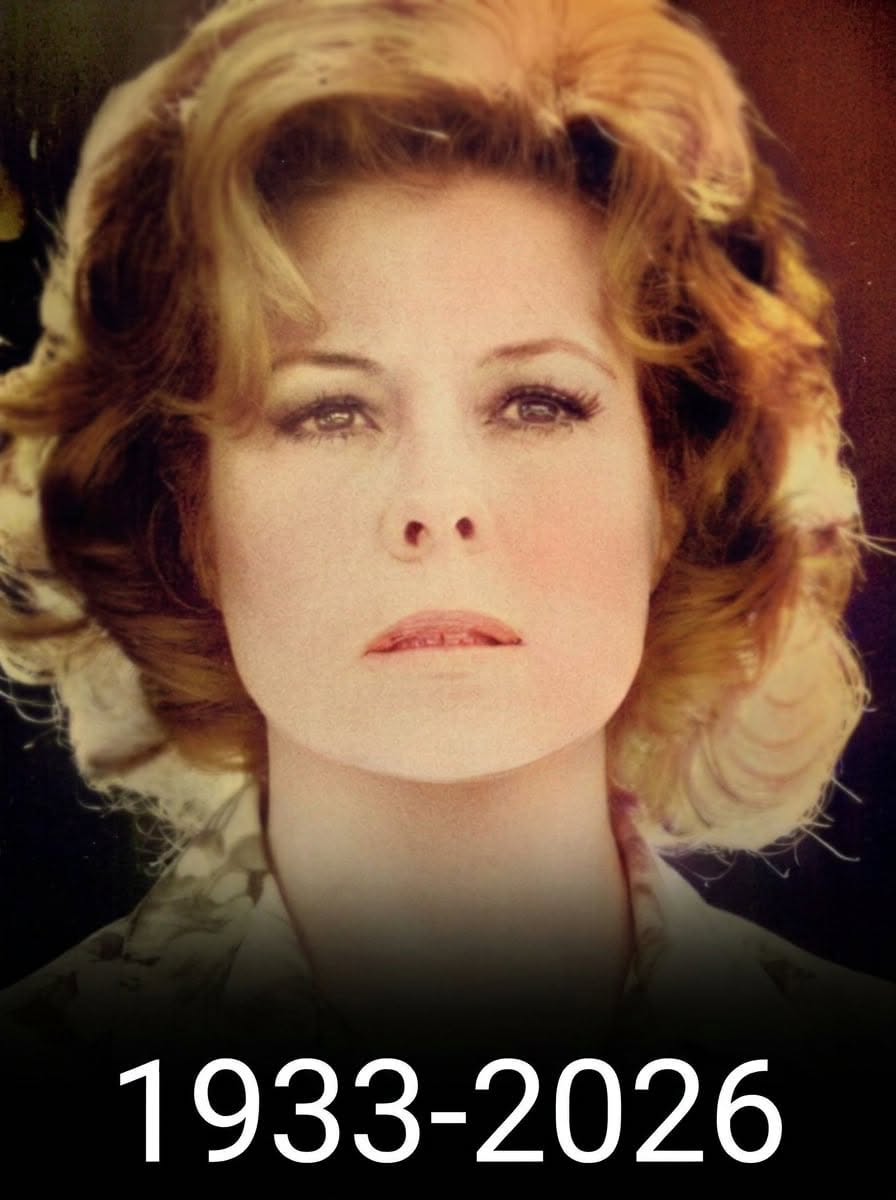
    The curtain has officially fallen on one of the most versatile and respected figures in American entertainment as the industry grapples with the passing of Jennifer Harmon. At 82 years old, Harmon leaves behind a legacy that served as the backbone of both the prestigious Broadway stage and the high stakes world of daytime television. While many stars chase the fleeting glow of tabloid fame, Harmon was a different breed of artist—a performer’s performer who built a career on the foundation of emotional authenticity, technical precision, and a work ethic that became legendary among her peers. From the sun drenched streets of Pasadena to the bright lights of New York City, her journey was one of quiet excellence that eventually commanded the attention of the entire industry..READ MORE BELOW..

  • It’s with heavy hearts that we announce the passing of this beloved actress, who became such a huge part of our childhoods…See more

    It’s with heavy hearts that we announce the passing of this beloved actress, who became such a huge part of our childhoods…See more

    Her voice brought joy to generations of children through beloved animated shows and memorable television roles. The celebrated actress also appeared in Anne of Green Gables and enjoyed a remarkable career spanning theatre, film and television. She passed away peacefully at her Toronto home on November 6, surrounded by family and friends, aged 93. The beloved actress remembered for voicing Queen Celeste in Babar was Dawn Greenhalgh.READ MORE BELOW

  • Why Acne on the Nose Is So Common — and What It Really Means

    Acne on the nose is one of those skin problems almost everyone experiences at least once — yet it often feels more frustrating than breakouts elsewhere. The nose sits at the center of the face, making even a small pimple feel impossible to hide. But there’s a reason this area is so prone to breakouts, and it has more to do with biology than bad luck.

    The nose is part of what dermatologists call the T-zone, an area of the face that naturally produces more oil. Inside the skin are sebaceous glands that release sebum, an oily substance meant to protect and hydrate. On the nose, these glands are larger and more active, which means pores clog more easily.

    When oil mixes with dead skin cells and bacteria, acne forms — sometimes overnight. Not all bumps on the nose are the same. Many people confuse sebaceous filaments — tiny gray or yellow dots that refill quickly — with blackheads.

    Filaments are normal and harmless, while blackheads are clogged pores that have oxidized at the surface. Inflamed red pimples, on the other hand, often signal bacteria trapped deeper in the skin, sometimes worsened by touching or squeezing the area. Lifestyle habits also play a quiet but powerful role.

    Constantly touching the nose, resting it on your hand, or frequently adjusting glasses can transfer bacteria and oils onto the skin. Harsh cleansers, over-scrubbing, or using heavy skincare products can backfire by irritating the skin and triggering even more oil production. Contrary to popular belief, acne on the nose is rarely caused by poor hygiene.